Staying hydrated is essential for energy, focus, and overall health, but drinking glass after glass of water can feel like a chore. The good news is that you can support your body's fluid needs through what you eat. Many whole foods have a high water content and provide electrolytes and nutrients that help your body retain and use fluids effectively. Here are four foods that can help you stay hydrated without reaching for another bottle of water.
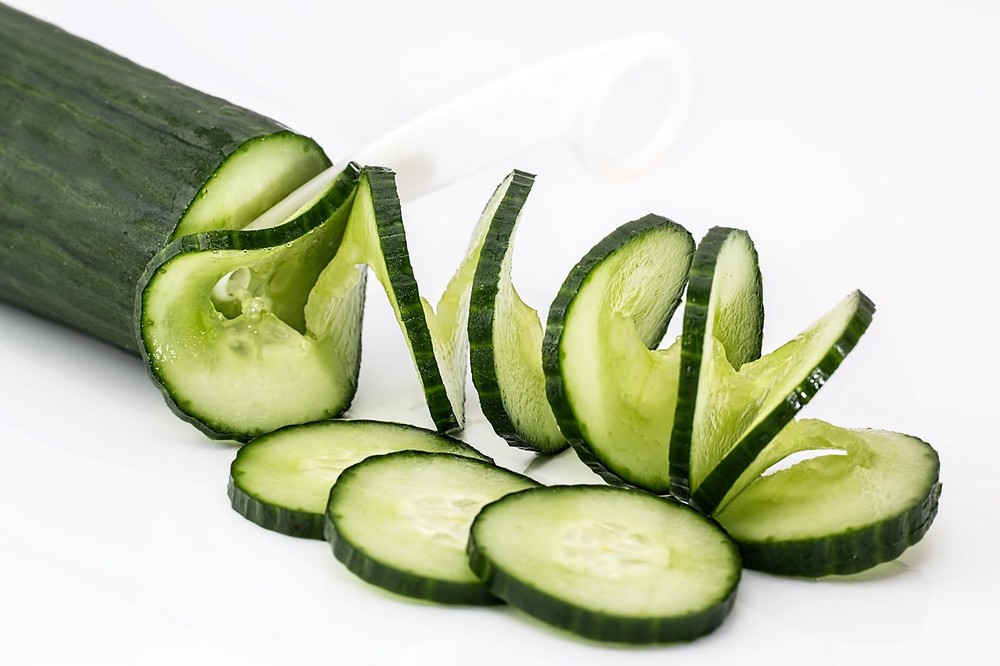
1. Cucumber
Cucumber is more than 95 percent water by weight, making it one of the most hydrating foods you can eat. A cup of sliced cucumber contains roughly the same amount of fluid as a small glass of water, along with a modest amount of potassium and magnesium. These electrolytes help regulate fluid balance at the cellular level, so the water you get from cucumber is actually put to good use. Try adding cucumber slices to salads, eating them as a snack with hummus, or infusing them into a pitcher of water for extra flavor without added sugar.
2. Watermelon
Watermelon lives up to its name. It's about 92 percent water and also provides lycopene, an antioxidant that supports skin health and cardiovascular function. Because watermelon contains natural sugars and electrolytes like potassium, it offers a gentle energy boost along with hydration. This makes it a smart choice after light exercise or on a hot afternoon. For a more substantial hydrating snack, pair a few cubes of watermelon with a small handful of almonds — the protein and healthy fat help stabilize blood sugar and keep you satisfied.
3. Strawberries
Strawberries are roughly 91 percent water, and they deliver a significant dose of vitamin C and manganese in each serving. Vitamin C supports immune function and collagen production, while manganese plays a role in bone health and metabolism. Because strawberries are relatively low in natural sugar compared to many other fruits, they hydrate without causing a sharp spike in blood glucose. You can eat them fresh, blend them into smoothies, or slice them over yogurt for a hydrating breakfast or snack. Frozen strawberries work just as well and are often more affordable year-round.
4. Coconut water
Strictly speaking, coconut water is a beverage, but it's included here because it's a food-derived fluid that hydrates more effectively than plain water in certain situations. Coconut water is rich in electrolytes — particularly potassium, sodium, and magnesium — in proportions that resemble human plasma. This makes it a natural alternative to sports drinks for rehydrating after exercise or a bout of illness. Choose unsweetened coconut water to avoid added sugar, and look for options packaged in BPA-free containers. You can drink it straight, use it as a base for smoothies, or freeze it into ice cubes for a subtle electrolyte boost in any beverage.
Incorporating these water-rich foods into your day is a practical way to meet your fluid needs, especially if you struggle to drink enough water. They also supply vitamins, minerals, and antioxidants that plain water cannot provide. For most people, a combination of drinking water when thirsty and eating a variety of hydrating foods is the most sustainable approach to staying well-hydrated.