When your energy flags in the middle of the afternoon or you feel that familiar fog settle in, the quick fix is often caffeine or sugar. But registered dietitians say the real secret to sustained energy and proper hydration is simpler than a triple-shot latte. Reaching for the right beverages throughout the day can support your body's fluid balance, stabilize blood sugar, and keep your mind sharp without the crash.
Here are five drinks that dietitians consistently recommend for better hydration and steady, natural energy.
1. Plain water — with a pinch of salt or a squeeze of citrus
Water is the gold standard for hydration, but many people don't drink enough of it or they drink it too fast without absorbing it well. Dietitians suggest adding a small pinch of high-quality sea salt or a squeeze of lemon, lime, or orange. The salt provides electrolytes (sodium and trace minerals) that help your body actually retain the water you drink, while citrus adds a hint of flavor and vitamin C, which supports immune function and iron absorption. For most people, aiming for about eight glasses a day — spaced out rather than gulped — makes a noticeable difference in energy levels.
2. Coconut water
Unsweetened coconut water is a natural source of electrolytes, particularly potassium, magnesium, and a small amount of sodium. Unlike sugary sports drinks, it provides hydration without artificial colors or high fructose corn syrup. Dietitians often recommend it after a sweaty workout or on a hot day when you need to replenish minerals quickly. The natural sugars in coconut water are enough to give your brain a gentle boost without spiking insulin. Just check the label for added sugars or flavors — plain is best.
3. Herbal teas (especially peppermint, ginger, or rooibos)
Many people forget that tea counts toward daily fluid intake. Caffeine-free herbal teas are a smart choice for hydration because you can sip them warm or iced throughout the day without the diuretic effect of black or green tea. Peppermint tea is refreshing and can aid digestion, which helps your body absorb nutrients more efficiently. Ginger tea has anti-inflammatory properties that support circulation and can ease fatigue related to digestive discomfort. Rooibos (red bush tea) is rich in antioxidants and naturally sweet, making it a comforting afternoon drink that hydrates without caffeine.
4. Smoothies made with whole fruits and vegetables
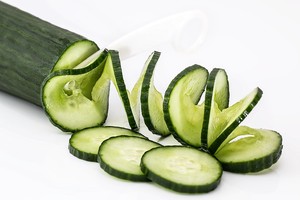
A well-made smoothie is essentially a hydrating meal in a glass. Dietitians recommend blending water-rich ingredients like cucumber, watermelon, or spinach with a small amount of fruit (such as berries or half a banana) and a protein source like Greek yogurt, silken tofu, or a scoop of unsweetened protein powder. The water content from produce hydrates you, while fiber and protein stabilize blood sugar and keep your energy steady for hours. Avoid ready-made smoothies from cafes that are often loaded with added sugar — homemade versions give you control over what goes in.
5. Electrolyte-enhanced water (or DIY versions)
For people who are active, live in hot climates, or simply feel sluggish despite drinking enough water, electrolyte-enhanced water can make a big difference. Dietitians suggest choosing brands without added sugar, artificial sweeteners, or excess sodium. Alternatively, you can make your own by mixing a pinch of salt, a splash of lemon juice, and a dash of maple syrup or honey into a glass of water. This combination mimics the electrolyte profile of a sports drink without the junk. It's especially helpful first thing in the morning or after a long night of sleep when your body is naturally dehydrated.
What about coffee and energy drinks?
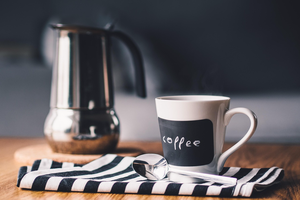
While coffee and energy drinks can provide a temporary boost, dietitians warn that they often come with a price — increased heart rate, jitteriness, and a later crash. Caffeine is a mild diuretic, so it doesn't contribute to hydration the way water or herbal tea does. If you enjoy coffee, the key is to pair it with food and keep it to one or two cups a day. Energy drinks are generally discouraged because of their high sugar content and stimulant load, which can disrupt sleep and leave you more tired in the long run.
Building a habit that lasts
The best hydrating drink is the one you actually want to drink regularly. Dietitians suggest starting your morning with a glass of water (plain or with lemon), then alternating throughout the day between water, herbal tea, and an occasional smoothie or coconut water. Carrying a reusable bottle makes it easier to sip consistently. Over time, you'll likely notice fewer headaches, better concentration, and more stable energy — without relying on caffeine or sugar.