Most of us know we should drink more water. But hydration isn't just about what you drink—it's also about what you eat. Your diet can quietly work against you, leaving you dehydrated without the obvious feeling of thirst. Here are three warning signs that your daily food choices might be contributing to chronic, low-grade dehydration.
1. You rely on high-sodium processed foods
If your meals come mostly from packaged snacks, deli meats, canned soups, or fast food, you're likely consuming far more sodium than your body needs. Sodium is essential for fluid balance, but excess sodium forces your kidneys to pull water from your cells to dilute it, leading to net fluid loss. That bag of pretzels or frozen dinner might taste harmless, but it's a direct line to dehydration when it replaces whole foods.
Look for hidden sources: bread, pizza, sandwiches, and even some salad dressings pack more sodium than you'd guess. When your diet is heavy on salt and light on potassium-rich produce, your body struggles to maintain proper hydration. The result? Mild headaches, fatigue, and darker urine—all signals that your fluid balance is off.
2. You skip hydrating fruits and vegetables
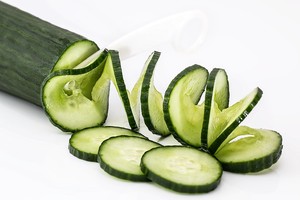
Water doesn't only come from a glass. Many fruits and vegetables have high water content—cucumbers, celery, watermelon, strawberries, and lettuce are over 90 percent water. If your diet is built around grains, meats, and dairy but lacks these hydrating plant foods, you're missing a major source of daily fluid intake.
This is especially relevant in cooler months or for people who dislike drinking plain water. A diet that doesn't include a serving or two of high-water produce at each meal means you're asking your body to hydrate from drinks alone. Over time, that can leave you slightly dehydrated, even if you think you're drinking enough. The fix is straightforward: add a side salad, swap chips for sliced veggies, or have fruit for dessert.
3. You consume too much caffeine or alcohol
Both caffeine and alcohol are diuretics, meaning they increase urine output. While moderate coffee or tea doesn't cause serious dehydration in most people, a pattern of heavy consumption—especially if you're replacing water with these drinks—can tip the balance. Similarly, alcohol suppresses the antidiuretic hormone, which tells your kidneys to hold onto water. A few drinks in the evening can leave you waking up with a dry mouth and a headache that's partly about dehydration.
The warning sign here isn't just thirst. It's needing to urinate frequently, feeling unusually tired after a few cups of coffee, or noticing that your urine is dark despite having consumed plenty of liquid. These are clues that your fluid source is working against you. To offset, pair each caffeinated or alcoholic drink with a full glass of water.
Why these signs matter
Mild dehydration doesn't always announce itself with dramatic thirst. Instead, it shows up as low energy, brain fog, dry skin, and even constipation. When your diet consistently leans toward processed foods, skips hydrating produce, and relies on dehydrating beverages, your body is constantly playing catch-up. Over time, this can affect concentration, physical performance, and kidney function.
A simple rule: if your urine is pale yellow, you're likely well hydrated. If it's dark amber, your diet or fluid intake needs adjusting—especially if you've been eating a lot of salty or processed foods.
Practical ways to improve hydration through diet
Balance is key. That doesn't mean you have to give up coffee or never eat chips. It means being intentional about the other choices you make. Add a cucumber-tomato salad to lunch, snack on an apple instead of crackers, and keep a water bottle on your desk even if you're a regular coffee drinker. When you eat a whole foods diet rich in produce, you naturally take in more water and the minerals that help your body use it efficiently.
If you're seeing these warning signs in your own habits, start with small shifts: reduce the saltiest packaged items, add one serving of a high-water fruit or vegetable to every meal, and match every dehydrating beverage with an equal amount of water. Your body will respond quickly—often within a day or two—with better energy and clearer thinking.
Dehydration is rarely about thirst alone. It's a reflection of the total picture of what you eat and drink. Paying attention to these three dietary patterns can help you stay ahead of it without needing to overhaul your entire life.