
The food you eat does more than fuel your body—it directly affects how your brain works. When mental fog sets in or you feel drained by mid-afternoon, your diet may be part of the reason. Choosing the right nutrients can help you sustain concentration, reduce brain fog, and keep mental fatigue at bay.
Below are the most effective food categories and eating patterns for supporting clarity and steady energy throughout the day.
Complex carbohydrates for steady energy
The brain runs on glucose, but not all carbohydrate sources are equal. Simple sugars and refined grains cause a rapid spike in blood sugar followed by a sharp crash, which can leave you feeling sluggish and unfocused. Complex carbohydrates provide a slow, steady release of glucose.
Best sources: Oats, quinoa, brown rice, sweet potatoes, beans, lentils, and whole-grain bread.
Tip: Pair a carbohydrate with a protein or healthy fat at meals to further stabilize blood sugar levels.
Healthy fats for brain structure and function
About 60 percent of the brain is made of fat, and omega-3 fatty acids are especially important for maintaining cell membranes and supporting communication between neurons. Low levels of omega-3s have been linked to poor memory and mood changes.
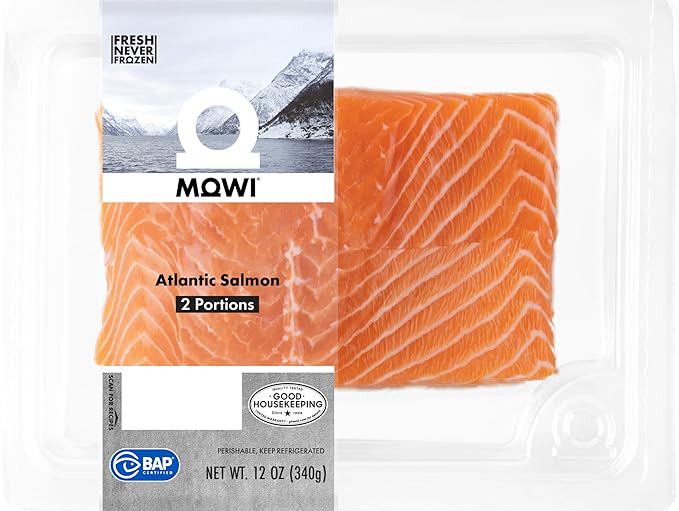
Best sources: Fatty fish like salmon, mackerel, and sardines; walnuts; flaxseeds; chia seeds; and avocados.
Protein for neurotransmitter production
Amino acids from protein are the building blocks of neurotransmitters—chemical messengers that regulate focus, alertness, and mood. For example, the amino acid tyrosine is used to produce dopamine and norepinephrine, both of which help you stay sharp under pressure.
Best sources: Eggs, poultry, lean beef, tofu, tempeh, Greek yogurt, and cottage cheese. For plant-based options, combine legumes with whole grains to get a complete amino acid profile.
Antioxidant-rich fruits and vegetables
Oxidative stress and inflammation can accelerate mental fatigue and impair cognitive function over time. Colorful produce delivers antioxidants that protect brain cells from damage.
Top choices: Blueberries, strawberries, spinach, kale, broccoli, bell peppers, and beets. Leafy greens also provide vitamin K, lutein, and folate—nutrients linked to slower cognitive decline.
Key vitamins and minerals for focus
Several micronutrients play direct roles in brain energy metabolism and neurotransmitter synthesis.
- B vitamins (especially B6, B12, and folate): Help convert food into energy and support the production of brain chemicals. Found in leafy greens, eggs, poultry, and fortified cereals.
- Iron: Carries oxygen to the brain; deficiency can cause poor concentration and fatigue. Sources include lean red meat, spinach, lentils, and pumpkin seeds.
- Magnesium: Involved in nerve transmission and helps regulate the stress response. Nuts, seeds, dark chocolate, and bananas are good sources.
- Zinc: Plays a role in neuron communication. Found in oysters, beef, chickpeas, and cashews.
Hydration and brain performance
Even mild dehydration can impair attention, memory, and mood. Water is essential for delivering nutrients to the brain and removing waste products. If you feel a dip in focus, a glass of water may help more than another cup of coffee.
Smart choices: Plain water, herbal teas, and water-rich fruits and vegetables like cucumber and watermelon.
What to limit or avoid
Certain foods can undermine concentration and energy stability.
- High-sugar snacks and drinks: Cause rapid energy spikes and crashes.
- Excessive caffeine late in the day: May disrupt sleep, which is essential for cognitive recovery.
- Heavy, high-fat meals: Can redirect blood flow to the digestive system, making you feel sleepy.
- Processed foods and trans fats: Contribute to inflammation and reduced brain function over time.
By shifting your daily eating pattern toward whole, nutrient-dense foods—and away from quick-fix options—you can build a diet that supports sustained focus and lowers the impact of mental fatigue.