
The moments before a therapy session can feel charged. You may be gathering your thoughts, bracing for a difficult topic, or simply feeling the weight of the day. While your mind prepares, what you put into your body can either support a steady emotional state or work against it. The right snack or light meal can help stabilize your blood sugar, calm your nervous system, and keep your mind clear so you can access your feelings without the added disruption of a grumbling stomach or a brain fog.
This isn't about prescribing a specific diet or a miracle food. It's about understanding how certain nutrients interact with your brain chemistry and stress response. The goal is to feel grounded, not sluggish or jittery. Here is what to consider eating before a session to support calmer, more honest emotional expression.
Why your pre-session snack matters
Your brain is an energy-intensive organ. When your blood sugar dips, your body releases stress hormones like cortisol and adrenaline to bring it back up. This physiological response can mimic or amplify feelings of anxiety, irritability, and overwhelm. If you arrive at therapy already in a low-blood-sugar state, you may find it harder to stay present, regulate your emotions, or access the deeper, calmer parts of your experience.
Eating a balanced combination of protein, healthy fats, and complex carbohydrates about 60 to 90 minutes before your session can provide a steady release of glucose to your brain. This prevents the sharp spikes and crashes that can destabilize your mood. It also signals to your body that you are safe and nourished, which can help keep your nervous system in a more regulated, ventral vagal state—a state where you are open, connected, and able to engage in conversation without feeling defensive or flooded.
The core components of a support snack
Protein for stable energy
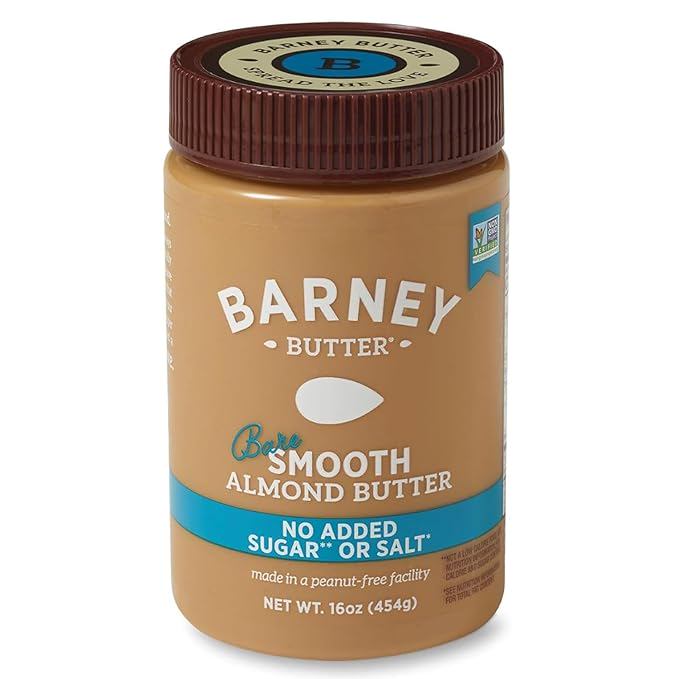
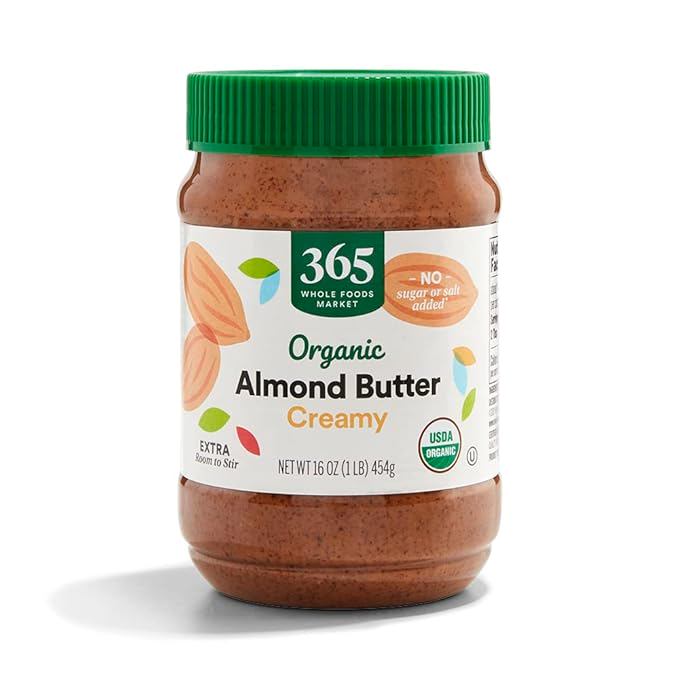
Protein helps slow the digestion of carbohydrates, which leads to a more gradual release of energy. It also provides amino acids that are building blocks for neurotransmitters. For example, the amino acid tryptophan is a precursor to serotonin, the brain's key mood-regulating chemical. Including a small amount of protein—such as a hard-boiled egg, a piece of cheese, a spoonful of nut butter, or a handful of almonds—can help keep your mood even and your mind clear.
Complex carbohydrates for steady fuel
Unlike simple sugars (like candy, white bread, or soda), complex carbs are digested slowly. Foods like oats, whole-grain toast, quinoa, or an apple provide a steady supply of glucose to your brain without the sudden crash. They also help facilitate the uptake of tryptophan into the brain, which can support a calm, balanced emotional state. A small bowl of oatmeal or a slice of whole-grain bread with avocado is a solid choice.
Healthy fats for brain function
Your brain is largely composed of fat, and healthy fats—like those in avocado, walnuts, olive oil, or chia seeds—support cognitive function and reduce inflammation. Including a small amount of healthy fat can help you feel satiated and mentally sharp. It also slows digestion further, extending the steady-energy effect of your snack.
Foods to avoid before therapy
Equally important is knowing what not to eat before a session. The goal is to avoid anything that can trigger a stress response, create digestive discomfort, or cause a rapid shift in your energy levels.
- High-sugar snacks: Pastries, candy, sugary coffee drinks, and fruit juices can cause a rapid spike in blood sugar, followed by a crash. This crash can lead to irritability, fatigue, and brain fog—none of which help you engage in deep emotional work.
- Heavy, fatty meals: A large, greasy meal can redirect blood flow to your digestive system and away from your brain, making you feel sluggish and drowsy. It can also cause bloating or discomfort that distracts you from the conversation.
- Excessive caffeine: While a small amount of caffeine might feel grounding, too much can amplify anxiety, jitteriness, and a racing heart. If you are prone to anxiety, consider switching to a low-caffeine option like green tea or sticking to a half-cup of coffee.
- Convenience foods with additives: Highly processed foods often contain artificial colors, flavors, and preservatives that can affect mood and gut health. The gut-brain axis is real; what disrupts your gut can disrupt your emotional balance.
Simple pre-session snack ideas
You do not need a complicated recipe. The easiest options are often the best because they remove the barrier of preparation. Here are a few combinations that are gentle on the stomach and supportive of a calm, focused mind.
- A small apple with a tablespoon of almond butter
- One or two hard-boiled eggs with a few whole-grain crackers
- A small bowl of plain oatmeal topped with a few walnuts and a sprinkle of cinnamon
- A mini smoothie made with a half-banana, a handful of spinach, unsweetened almond milk, and a spoonful of ground flaxseed
- A small piece of whole-grain toast with half an avocado and a pinch of salt
A simple rule: aim for a snack that contains at least one source of protein or fat and one source of complex carbohydrate. This combination stabilizes your energy and steadies your nerves.
Hydration is part of the equation
Dehydration can mimic or worsen anxiety. Even mild dehydration can lead to fatigue, irritability, and difficulty concentrating—all of which make it harder to stay present in a therapy session. Drink water steadily in the hour or two before your appointment. Herbal teas, particularly chamomile or lemon balm, can also be a gentle addition. Avoid chugging large amounts right before you walk in, as a full bladder can be a distraction.
Listen to your body, not a rigid rule
Everyone’s digestive system and metabolism are different. A snack that works well for one person may feel heavy for another. The key is to experiment gently. Try a small, balanced snack before your next session and notice how you feel. Are you more clear-headed? Less reactive? More able to sit with difficult feelings without wanting to flee? Conversely, if you feel bloated or lethargic, adjust the portion size or the combination of foods.
The goal is not perfection. It is about creating a small, supportive ritual that signals to your body that it is safe, nourished, and ready to engage in meaningful emotional work. When your body is calm, your mind has a better chance of being open and honest. That is the foundation for deeper expression and real progress in therapy.