
We often look for quick, convenient ways to start the morning, and a breakfast smoothie can seem like a perfect solution. But what if your go-to morning blend is doing more than just fueling your day? Emerging discussions in wellness circles suggest that certain common smoothie ingredients—particularly those high in refined sugar or used as a substitute for a balanced meal—might be linked to patterns of weak emotional boundaries. While the concept can sound surprising, the connection is worth exploring for anyone interested in both physical health and emotional well-being.
Emotional boundaries are the invisible lines we draw to protect our own feelings, needs, and energy. When these boundaries are weak, it can be difficult to say no, to prioritize self-care, or to recognize when a relationship or situation is draining you. Interestingly, the foods we reach for under stress or for comfort can mirror—and sometimes reinforce—these patterns. A sweet, carb-heavy smoothie that promises a quick energy lift but leaves you crashing an hour later may be a small, daily example of seeking external soothing rather than internal stability.
Why a Breakfast Smoothie Could Signal a Deeper Issue
The link between diet and emotional health is well-documented, but the specific connection to boundaries is more nuanced. When a breakfast smoothie is loaded with sugar-dense fruits, sweetened yogurts, or syrups, it can create a rapid spike in blood sugar followed by a sharp drop. This biological rollercoaster can mimic or amplify feelings of anxiety, irritability, and emotional neediness—states that make it harder to hold a firm boundary.
Furthermore, if you find yourself habitually choosing a smoothie that prioritizes convenience and sweetness over protein, healthy fats, and fiber, you may be inadvertently supporting a pattern of instant gratification over sustained nourishment. This can reflect a broader emotional tendency: choosing what feels good in the moment rather than what builds long-term resilience. Over time, that inner dynamic can show up in relationships as people-pleasing, difficulty asserting your own needs, or feeling responsible for others' emotions.
Common Smoothie Ingredients That May Undermine Boundaries
Not all smoothies are created equal. The ones that might correlate with weak emotional boundaries often share a few characteristics:
- High sugar content: Multiple servings of fruit (especially tropical fruits like mango and pineapple), fruit juice as a base, or added sweeteners like honey, agave, or flavored syrups.
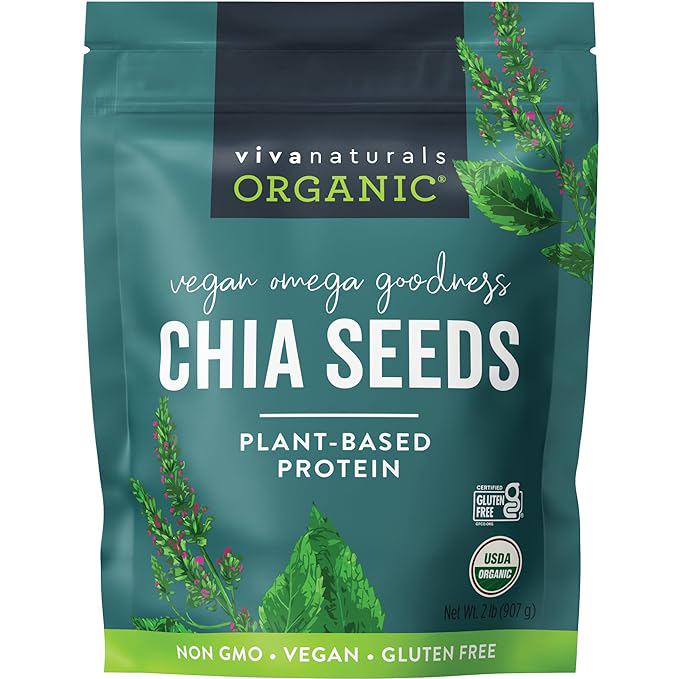
- Low protein and fat: A smoothie that relies almost entirely on carbohydrates with minimal protein (less than 10 grams) or healthy fats (like avocado, nut butter, or chia seeds) can leave you hungry and on edge within an hour or two.
- Calorie restriction disguise: If your smoothie is intentionally low-calorie and used as a meal replacement to control weight, it may be part of a pattern of deprivation that weakens your sense of self-worth and inner authority.
“The breakfast you choose can be a mirror of your relationship with yourself. A smoothie that lacks balance may reflect a life where you're giving too much and receiving too little.”
Recognizing the Warning Signs in Your Daily Routine
It's not that a smoothie is bad. The question is: what does your smoothie represent in your life? Consider these signs that your breakfast choice might be connected to boundary issues:
- You often feel rushed and stressed in the morning, and the smoothie is something you grab without thinking, prioritizing speed over substance.
- You feel guilty or anxious if you skip your smoothie or change your routine, as if you're letting someone down (even if that person is yourself).
- Your energy crashes mid-morning, leaving you irritable, craving more sugar, or feeling emotionally fragile—which can make it harder to set limits with colleagues, friends, or family.
These patterns don't mean you have a serious problem. They are signals worth paying attention to. Emotional boundaries, like physical health, respond well to small, consistent adjustments. The first step is simply noticing the connection between what you consume and how you feel in your relationships.
How to Build a Smoothie That Supports Emotional Resiliency
Rebalancing your smoothie can be a practical way to reinforce stronger boundaries. Think of it as nutrition for both body and spirit. A well-built smoothie keeps your blood sugar steady, which directly supports a calmer, more centered emotional state.
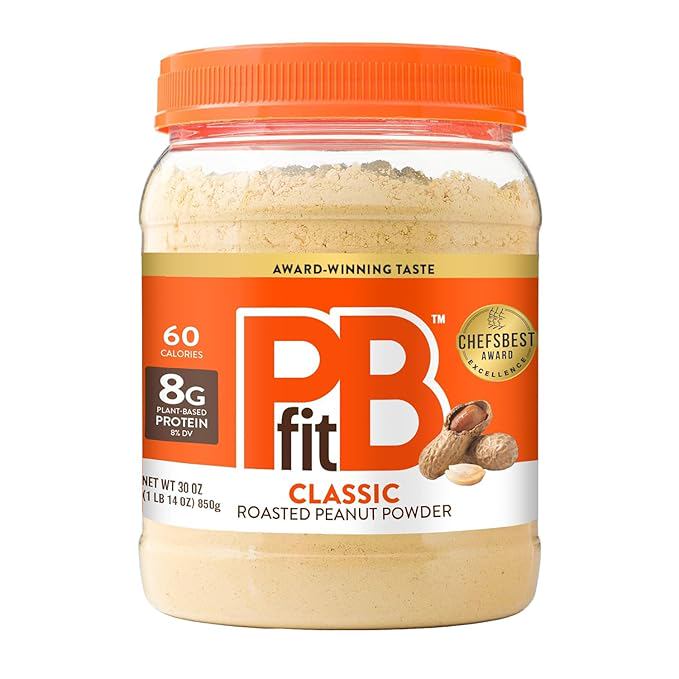
- Prioritize protein: Aim for at least 15–20 grams of protein per smoothie. Good sources include unsweetened Greek yogurt, a scoop of clean protein powder, or silken tofu.
- Include healthy fats: A tablespoon of almond butter, a quarter of an avocado, or a tablespoon of chia seeds adds staying power and supports hormone health.
- Limit fruit to one serving: Choose lower-sugar fruits like berries or half a banana instead of three different fruits. The flavor will still be delicious without the sugar overload.
- Add greens: A handful of spinach or kale adds fiber and micronutrients without changing the taste much. This small addition signals that you care about nourishment, not just convenience.
- Consider a mindful prep: Instead of rushing, take three extra minutes to sit with your smoothie before drinking. That small pause can be a boundary-setting practice in itself.
When Your Smoothie Habit Is Truly a Warning Sign
If you notice that changing your smoothie ingredients doesn't seem to shift your emotional patterns—or if the idea of changing your morning routine feels deeply uncomfortable—it may be worth exploring the underlying reasons. Emotional boundaries are not just about what you eat; they're about how you treat yourself. A breakfast habit that consistently leaves you feeling depleted or anxious can be a mirror for larger patterns in your life, such as over-giving, fear of disappointing others, or difficulty saying no.
In some cases, this is not about food at all. It's about the need for therapeutic support to understand why you feel compelled to put others first at your own expense. A licensed counselor or therapist can help untangle these threads in a safe, private setting.
Conclusion: Listen to What Your Morning Meal Is Telling You
A breakfast smoothie is rarely just a smoothie. It can be a small but telling part of your daily rhythm—a quiet signal about how you relate to yourself and the world around you. If your smoothie lacks balance, it may be reflecting a life that needs more stable boundaries. The good news is that small changes in your breakfast can create a ripple effect, strengthening both your nutritional and emotional foundation. Pay attention to how your body and mind feel an hour after you drink. That feedback is worth its weight in gold. Remember, this content is for informational purposes only and does not substitute for professional medical or mental health advice.