
Setting emotional boundaries isn't just about what you say—it can also be about what you eat. While communication skills and therapy are essential tools, a growing number of dietitians and mental health professionals point out that certain foods support the nervous system and cognitive function in ways that make it easier to say no, recognize your limits, and protect your energy.
When we are undernourished or running on blood sugar spikes and crashes, our patience thins and our ability to pause before reacting diminishes. On the flip side, eating specific whole foods can stabilize mood, reduce anxiety, and literally give your brain the fuel it needs to hold a healthy boundary. Here are three foods dietitians recommend for exactly that purpose.
Why food matters for boundary-setting
Your brain is an organ that runs on nutrients. When you skip meals or rely on processed snacks, your blood sugar can yo-yo, triggering irritability, fatigue, and a lower capacity for emotional regulation. Registered dietitian and therapist Kelsey Kunik, RDN, explains, “When your blood sugar is stable, your prefrontal cortex—the part of the brain responsible for decision-making and impulse control—works much more efficiently. That steady state makes it easier to recognize when a situation is draining you and to respond assertively instead of reactively.”
In other words, boundary-setting requires mental clarity, self-awareness, and the confidence to prioritize your wellbeing. Certain foods support these very processes by nourishing neurotransmitter production, reducing inflammation, and maintaining steady energy.
1. Walnuts: A brain-calming source of omega-3s
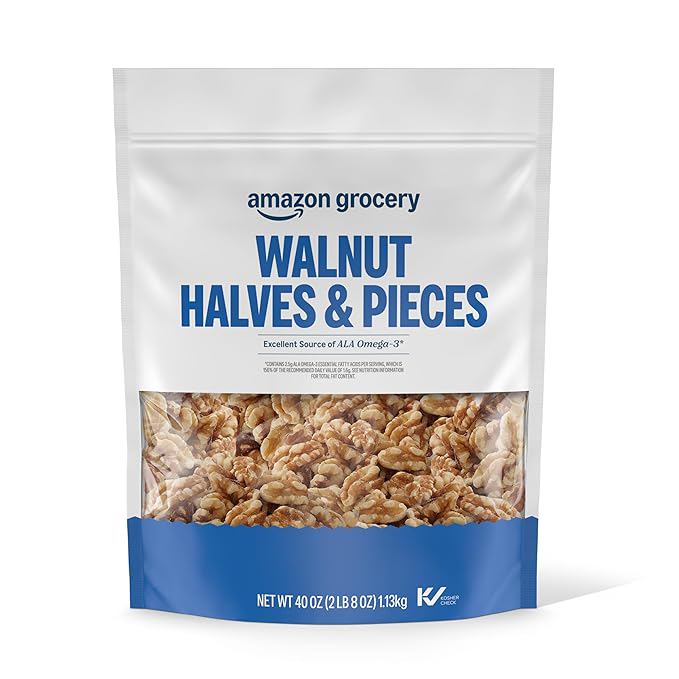
Walnuts are often called a brain food, but their role in emotional regulation is especially relevant here. They are rich in alpha-linolenic acid (ALA), a type of omega-3 fatty acid that supports the production of calming neurotransmitters like serotonin and dopamine. Research suggests that adequate omega-3 intake is linked to lower rates of anxiety and depression—two emotional states that often make boundary-setting feel impossible.
“Omega-3s help reduce inflammation in the brain, which can directly impact mood and stress levels,” notes dietitian Mackenzie Burgess, RDN. “When the brain is less inflamed, you are less likely to feel overwhelmed by others' demands, and better able to hold space for your own needs.”
How to use them: A small handful of walnuts (about 1 ounce) makes a convenient afternoon snack. You can also sprinkle them over oatmeal, salads, or yogurt for a steady dose of healthy fats.
2. Leafy greens: Stabilizing mood with magnesium
Spinach, swiss chard, and kale are more than just nutrient-dense vegetables. They are excellent sources of magnesium, a mineral that plays a critical role in nervous system regulation. Magnesium helps calm the stress response by modulating the hypothalamic-pituitary-adrenal (HPA) axis, which controls your reaction to pressure. When magnesium levels are low, even minor interpersonal friction can feel like a major threat, making boundary-setting feel risky or exhausting.
“Magnesium is often called the 'relaxation mineral' because it helps the body produce GABA, a neurotransmitter that promotes calmness,” says integrative dietitian Jenna Volpe, RDN, LD. “When you are calm and collected, you can communicate boundaries from a grounded place rather than from fear or anger.”
How to use them: Add a large handful of spinach to your morning smoothie or sauté swiss chard with garlic as a side dish at dinner. Aim for at least one serving of leafy greens per day to maintain steady magnesium levels.
3. Berries: Antioxidants for emotional resilience
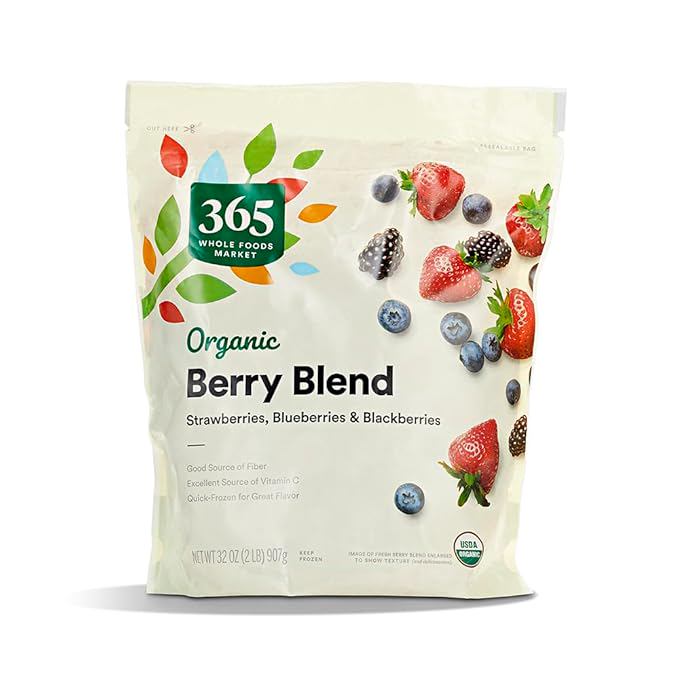
Blueberries, strawberries, and raspberries are packed with vitamin C and flavonoids, compounds that reduce oxidative stress and inflammation throughout the body, including the brain. Chronic oxidative stress has been linked to higher cortisol (stress hormone) levels, which can degrade your ability to maintain boundaries over time.
“Berries support the brain's vascular health and help protect against the damaging effects of chronic stress,” explains nutritionist and researcher Dr. Madeline Brooks, PhD, RD. “When your brain is less inflamed, you have more cognitive bandwidth to assess situations, recognize boundary violations, and respond intentionally.”
In practical terms, eating berries regularly may help you recover faster from stressful interactions and avoid the emotional depletion that leads to people-pleasing.
How to use them: Enjoy fresh or frozen berries as a snack, blend them into a smoothie, or top your oatmeal or yogurt with them. Even a half-cup serving provides a significant antioxidant boost.
Putting it all together: A boundary-supporting eating pattern
While these three foods are particularly beneficial, dietitians stress that the overall pattern of eating matters more than any single ingredient. A diet rich in whole, unprocessed foods—including healthy fats, fiber, and lean protein—sets the foundation for stable energy and emotional balance. Prioritizing regular meals and avoiding extreme hunger also prevents the “hangry” state that can sabotage your best intentions.
For example, a balanced breakfast that includes walnuts, berries, and a handful of spinach can keep your blood sugar steady until lunch, giving you the mental clarity to navigate challenging conversations. A lunch built around leafy greens, grilled chicken, and a side of berries offers sustained energy for the afternoon.
Ultimately, the act of choosing foods that nourish your brain and calm your nervous system is itself a form of boundary-setting—a declaration that your wellbeing matters.