When it comes to sun protection, most of us think about sunscreen first. But some dietitians point out that what you put in your body can also influence how your skin responds to UV exposure. While no drink can replace a broad-spectrum SPF or sensible sun habits, certain beverages contain compounds that may help your skin resist damage, stay hydrated, and even support repair. Here is a look at what to drink, according to dietitians, to help protect your skin from the sun.
Green tea: a powerful source of antioxidants
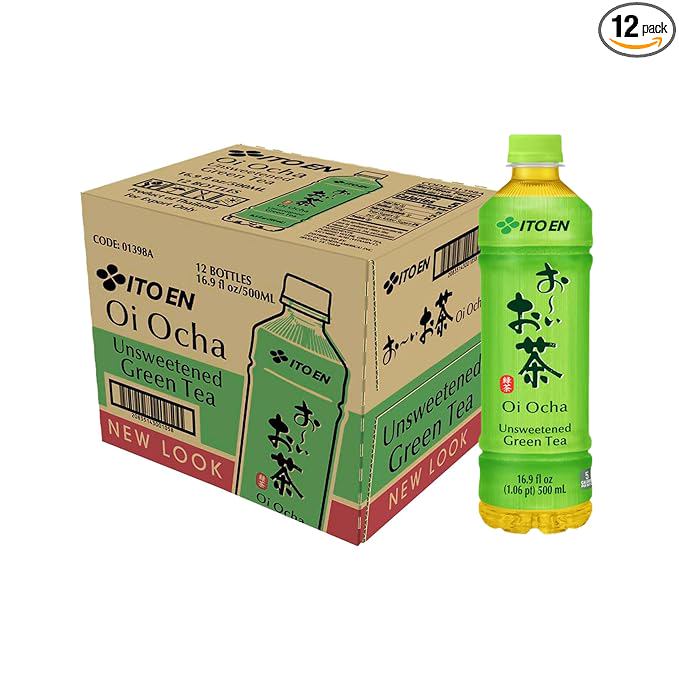
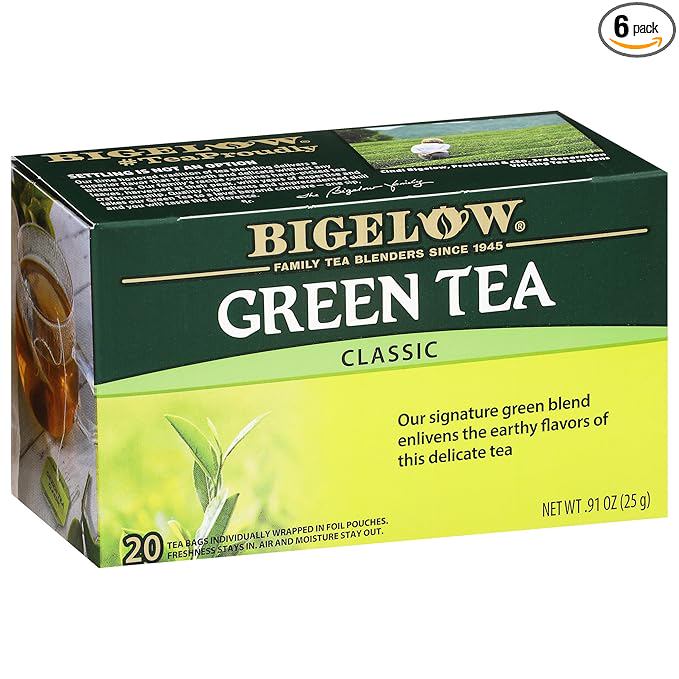
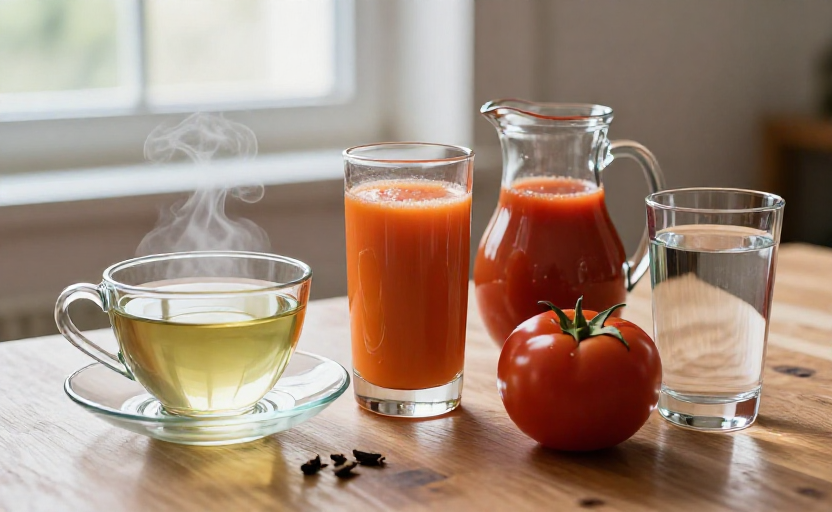
Green tea is packed with antioxidants known as catechins, particularly epigallocatechin gallate (EGCG). Research suggests that these compounds can help reduce inflammation and oxidative stress caused by UV radiation. A 2010 review in the Journal of the American Academy of Dermatology noted that green tea polyphenols applied topically or consumed orally helped protect the skin from UV-induced damage in animal and human studies. While more research is needed, drinking unsweetened green tea regularly may offer a modest layer of internal defense. It is no substitute for sunscreen, but many dietitians recommend it as a healthy habit for overall skin health.
Water: hydration for skin barrier function
Water might seem too simple to mention, but proper hydration is foundational for your skin’s barrier. When your skin is well-hydrated, it is more resilient and better able to repair itself after exposure to stressors like wind, pollution, or UV rays. Dehydrated skin can appear dry, flaky, and less elastic, which may make fine lines more noticeable. Dietitians typically advise drinking enough water throughout the day so that your urine is a pale yellow color. While water alone won't stop sunburn, keeping your skin cells hydrated supports their natural repair processes.
Coffee: a morning drink with photoprotective potential
Your morning coffee does more than wake you up. Coffee is rich in chlorogenic acid and other polyphenols with anti-inflammatory properties. Some observational studies have linked higher coffee consumption with a lower risk of certain skin cancers, including malignant melanoma. The caffeine in coffee may also help protect against UV-induced DNA damage. A 2015 study in the Journal of the National Cancer Institute found that participants who drank more than four cups of caffeinated coffee per day had a significantly lower risk of melanoma. That said, too much caffeine can cause dehydration or disrupt sleep, so moderation is key. Dietitians generally suggest one to three cups a day as part of a balanced diet.
Carrot juice and other vitamin A-rich drinks
Carrots are famous for beta-carotene, a carotenoid that your body converts into vitamin A. Beta-carotene accumulates in the skin, where it acts as a natural sun-protective agent. A meta-analysis of clinical trials found that taking beta-carotene supplements for ten weeks or more provided modest protection against sunburn. However, the effect is much weaker than sunscreen. Drinking a small glass of carrot juice or other colorful vegetable juices (like pumpkin or sweet potato blends) can increase your intake of these protective carotenoids over time. Dietitians emphasize that the benefit comes from consistent intake over weeks or months, not from a single drink.
Tomato juice: packed with lycopene
Tomatoes are the richest dietary source of lycopene, a carotenoid with potent antioxidant activity. Lycopene helps neutralize free radicals generated by UV rays. A small 2012 study in the British Journal of Dermatology found that participants who consumed tomato paste (rich in lycopene) daily for ten weeks had 33% less skin reddening after UV exposure, compared to a control group. While tomato juice is not as concentrated as paste, it still provides a good dose of lycopene, especially if it is made from cooked tomatoes. Look for low-sodium options to keep it heart-healthy.
Pomegranate juice: a polyphenol powerhouse
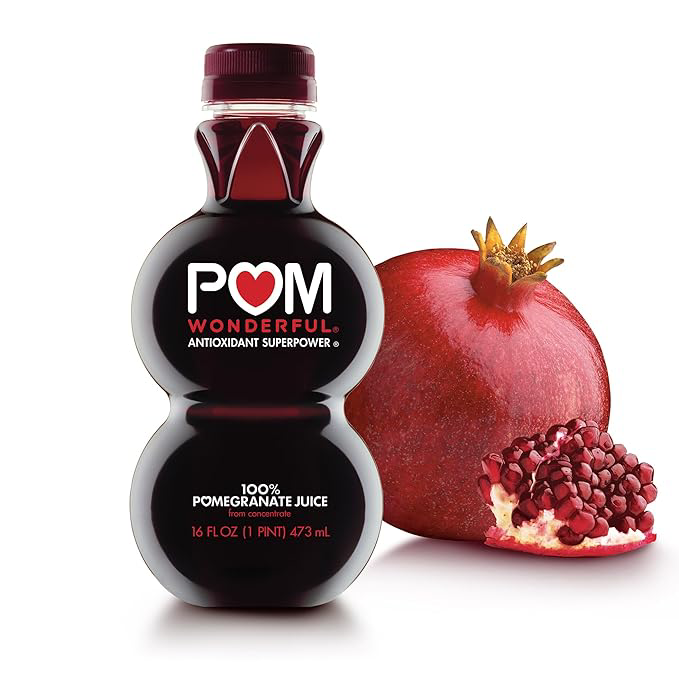
Pomegranate juice contains ellagic acid and punicalagins, two compounds with anti-inflammatory and antioxidant properties. Some cell and animal studies suggest that pomegranate extract can reduce UV-induced damage and support DNA repair in skin cells. Though human studies are still emerging, many dietitians see pomegranate juice as a smart addition to a skin-protective diet. Just watch the added sugars; a small 4-ounce serving mixed with sparkling water or used in smoothies can be a flavorful way to get these benefits.
A quick note on alcohol and sugary drinks: While the beverages above may offer some skin support, alcohol and high-sugar drinks can do the opposite. Alcohol dehydrates the skin and can deplete certain antioxidants. Sugary beverages may contribute to inflammation, which can worsen skin aging. For overall skin health, sticking with water, unsweetened teas, and low-sugar juices is a wise choice.
The bottom line: No drink can give you full protection from the sun, but incorporating antioxidant-rich, hydrating beverages like green tea, water, moderate coffee, carrot juice, tomato juice, and pomegranate juice into your daily routine may help your skin better handle UV exposure. Dietitians recommend thinking of these drinks as part of a holistic approach that includes sunscreen, protective clothing, and seeking shade during peak sun hours.