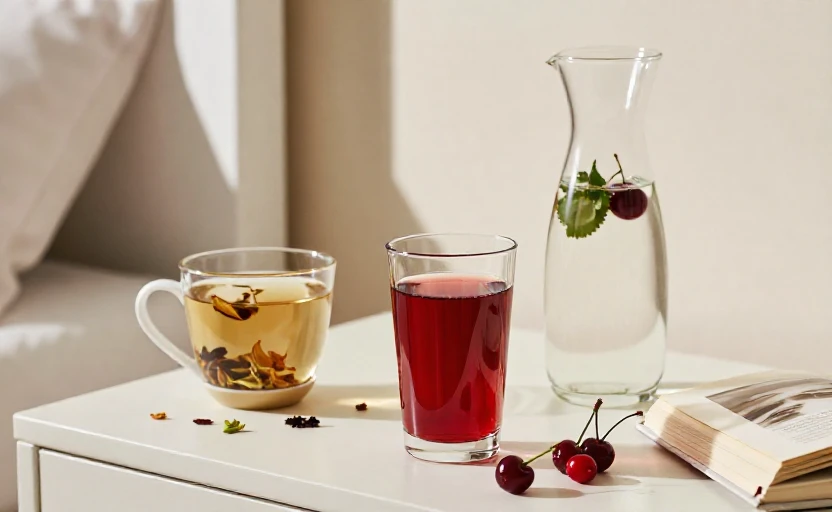
Reaching for a drink to unwind or signal the end of the day is a common ritual. While alcohol might seem to offer a shortcut to relaxation or sleepiness, its effects are often the opposite of what we intend. It can fragment sleep, increase anxiety, and leave us feeling more depleted. The good news is that a world of flavorful, non-alcoholic options exists to support genuine calm and restful sleep, offering benefits that last long after the glass is empty.
Shifting your evening drink isn't about deprivation; it's about discovering a more supportive ritual. By choosing beverages that hydrate, provide calming nutrients, or simply offer a satisfying sensory experience, you can create a powerful cue for your body and mind to transition into a state of recovery. Let's explore some thoughtful alternatives that can help you wind down, manage stress, and set the stage for better sleep.
Why alcohol disrupts sleep and amplifies stress
Understanding why alcohol is a poor choice for relaxation begins with its dual-action effect. Initially, it acts as a sedative, which can make you feel drowsy and help you fall asleep faster. However, as your body metabolizes it, the story changes dramatically.
Alcohol suppresses rapid eye movement (REM) sleep, the crucial stage associated with dreaming, memory consolidation, and emotional processing. Even if you sleep for a full eight hours, disrupted REM sleep can leave you feeling unrefreshed and foggy. Furthermore, alcohol is a diuretic, leading to middle-of-the-night trips to the bathroom and dehydration, which itself can impair sleep quality.
While it may help with sleep onset, alcohol ultimately sabotages sleep architecture, leading to a less restorative night.
As for stress, alcohol's initial depressant effect can temporarily mute feelings of anxiety. But this is often followed by a rebound effect as your body works to clear the alcohol. This process can stimulate your nervous system, leading to increased heart rate and feelings of wakefulness or anxiety in the latter half of the night. Over time, relying on alcohol to manage stress can create a cycle where anxiety feels more manageable only with a drink, potentially undermining your natural coping mechanisms.
Calming drinks for evening relaxation
This category focuses on beverages with compounds known to support the body's relaxation response. They work with your physiology, not against it.
Herbal teas are the cornerstone of a calming drink cabinet. Chamomile tea is famous for its apigenin content, an antioxidant that may bind to certain receptors in the brain, promoting relaxation and sleepiness. Passionflower tea has been studied for its potential to reduce anxiety without next-day drowsiness. Lemon balm tea is another gentle option, often used to ease tension and promote a sense of calm. The ritual of brewing a warm cup itself is a powerful signal to your nervous system that it's time to slow down.
Warm milk or golden milk isn't just an old wives' tale. Milk contains tryptophan, an amino acid involved in the production of serotonin and melatonin. When paired with a complex carbohydrate, its effects may be more pronounced. "Golden milk," or turmeric latte, adds another layer. Turmeric contains curcumin, which has anti-inflammatory properties, and is often combined with warming spices like cinnamon, ginger, and a dash of black pepper (which enhances curcumin absorption) in a base of warm milk or a dairy-free alternative.
Hydrating foundations for overall balance
Simple hydration is one of the most overlooked tools for stress management and sleep. Even mild dehydration can increase cortisol (the primary stress hormone) and make you feel more irritable and fatigued.
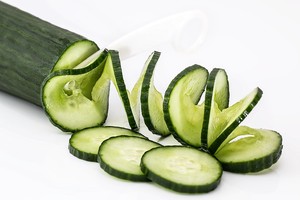
Plain, cool water is perfect. If you want something with a subtle flavor, try infused water. Adding slices of cucumber, a few sprigs of mint, or some citrus can make hydration more appealing and enjoyable. For a touch of effervescence, plain or lightly flavored sparkling water can provide the satisfying "bite" of a carbonated drink without any added sugars or stimulants. Keeping a dedicated, attractive glass or bottle for your evening hydration can make the practice feel more intentional.
Nutrient-rich sips for nervous system support
Some drinks offer vitamins and minerals that play direct roles in how our bodies handle stress and prepare for sleep.
Tart cherry juice is a standout for sleep. It's a natural source of melatonin, the hormone that regulates your sleep-wake cycle. Studies have suggested that drinking tart cherry juice concentrate can increase melatonin levels and improve both sleep quality and duration. Look for unsweetened varieties to avoid a sugar spike.
Magnesium-rich drinks can also be helpful. Magnesium is a mineral involved in hundreds of bodily processes, including muscle relaxation and nervous system regulation. While you can find magnesium in supplement powders designed to be mixed with water, you can also get it from natural sources. A small glass of coconut water, for instance, contains magnesium and potassium, electrolytes that support hydration and muscle function.
Creating your new evening ritual
The drink itself is only part of the equation. The ritual around it is what transforms a simple beverage into a tool for well-being. Try setting aside 20-30 minutes where you consciously disconnect from screens. Prepare your drink mindfully, savor its aroma, and sip it slowly in a comfortable space. This practice of mindful consumption helps separate your workday from your rest time, giving your brain the clear signal it needs to shift gears.
Experimenting with these alternatives is a personal journey. You might find that a cup of herbal tea on Monday and some tart cherry juice on Wednesday works best. The goal is to find what makes you feel genuinely settled, hydrated, and ready for restorative sleep—offering a form of relaxation that alcohol simply can't provide.