Managing diabetes means paying attention to everything you consume, and beverages are a surprisingly significant part of that equation. A drink can be a source of steady hydration or a vehicle for a sudden spike in blood sugar, often without you even realizing it. The choices you make at the fridge, coffee shop, or dinner table can directly impact your glucose levels and how you feel throughout the day.
This isn't about deprivation, but about making informed, satisfying swaps. By understanding how different drinks affect your body, you can confidently choose options that support your well-being without sacrificing flavor or enjoyment.
Why Your Drink Choice Matters So Much
Liquid calories and carbohydrates are absorbed by your body much faster than those from solid food. A sugary drink can send your blood glucose soaring in a matter of minutes, while its lack of fiber, protein, or fat does nothing to promote a feeling of fullness. This makes beverages a common, yet often overlooked, source of empty carbs and hidden sugars that can derail your management efforts.
Conversely, the right drinks can be powerful allies. They keep you hydrated, which is crucial for helping your kidneys flush excess sugar through urine. Some can even provide beneficial nutrients without a significant glycemic impact.
The Best Beverages for Blood Sugar Management
These choices should form the foundation of your fluid intake. They hydrate effectively with minimal to zero impact on your glucose levels.
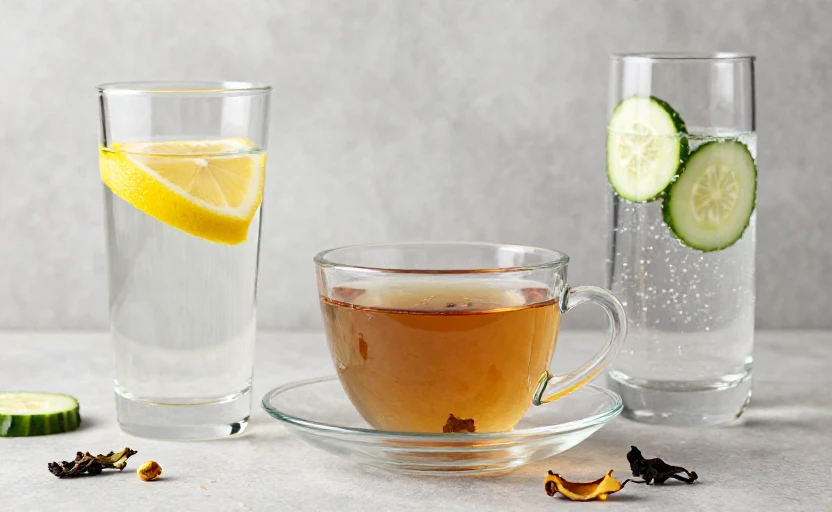
Water is, and always will be, the gold standard. If plain water feels boring, try infusing it with slices of cucumber, citrus, berries, or fresh herbs like mint or basil for a burst of natural flavor without sweeteners.
Sparkling Water offers the same benefits with a fizzy twist. Just be sure to choose unflavored varieties or those labeled “naturally flavored” with no added sugar, sweeteners, or calories. Read the ingredient list carefully.
Herbal Teas are a wonderful category. Brewed hot or served over ice, options like chamomile, peppermint, hibiscus, or ginger provide complex flavors and potential antioxidant benefits. They are naturally free of caffeine and carbohydrates.
Black Coffee and Tea (Unsweetened) can be part of a diabetes-friendly diet. Enjoy them plain, or with a small splash of milk or a non-caloric sweetener if needed. Be mindful of how caffeine affects your individual blood sugar and sleep patterns.
The simplest rule is often the best: when in doubt, choose a drink with zero calories and zero sugar.
Beverages to Approach with Caution
This middle ground includes drinks that can be included in moderation with careful planning and portion control.
Milk and Unsweetened Plant-Based Milks contain natural sugars (lactose in dairy) and carbohydrates. Stick to one serving (about 1 cup), and opt for unsweetened versions of almond, soy, or oat milk to avoid added sugars. They also provide protein and other nutrients.
100% Vegetable Juice, like tomato or low-sodium green juice, can be a source of vitamins. However, it lacks the fiber of whole vegetables, so the carbs are absorbed quickly. Limit to a small glass (4-6 ounces) and consider diluting it with water or sparkling water.
Diet or Zero-Sugar Sodas and Drinks are controversial. While they don’t raise blood sugar directly, some studies suggest artificial sweeteners may affect insulin sensitivity or gut bacteria. They are not a “health food,” but can be an occasional tool for transitioning away from full-sugar versions. Your best bet is to not rely on them daily.
The Worst Beverage Choices for Diabetes
These drinks are essentially liquid sugar and should be avoided or reserved for rare, treated hypoglycemic events.
- Regular Sodas and Sweetened Teas: A single 12-ounce can of soda can contain nearly 40 grams of sugar—that’s about 10 teaspoons.
- Energy Drinks and Sports Drinks: Often marketed for health or performance, they are frequently loaded with sugar and calories. Unless you are a high-level athlete engaged in prolonged, intense activity, you likely don’t need the electrolytes, and you certainly don’t need the sugar.
- Sweetened Coffee Drinks: Lattes, frappuccinos, and mochas can be desserts in a cup, harboring syrups, whipped cream, and sugary flavorings.
- Fruit Juices and Smoothies: Even 100% fruit juice concentrates the sugar of multiple pieces of fruit while stripping away most of the beneficial fiber. A commercial smoothie can be a sugar bomb. It’s always better to eat the whole fruit.
- Alcoholic Beverages: Alcohol can cause dangerous hypoglycemia, especially if consumed on an empty stomach or while taking insulin or certain medications. If you choose to drink, do so only with your doctor's approval, always with food, and stick to lower-carb options like dry wine or light beer in strict moderation.
Making Smart Swaps a Habit
Changing habits takes time. Start by auditing what’s in your refrigerator and pantry. Replace sugary staples with better options. When dining out, make “water, please” or “unsweetened iced tea” your default order. For special occasions, plan ahead. If you really want a small sweet treat, account for the carbs in your meal plan and savor it slowly.
Your body will thank you for the steadier energy and more stable glucose readings. Hydration and blood sugar management are deeply connected, and every sip is an opportunity to support your health.