
Sleep problems and high stress often feed each other. When cortisol—your body's main stress hormone—stays elevated, falling asleep and staying asleep becomes harder. And when sleep is poor, cortisol can spike even more the next day. It's a cycle many people want to break, but medication isn't the only option. Dietitians point to food as a gentle, effective tool.
Certain foods contain nutrients that help lower cortisol naturally, while others support the production of sleep-regulating hormones like melatonin and serotonin. Below are four dietitian-recommended foods that can help you sleep better and keep stress in check.
1. Fatty Fish: A Natural Source of Vitamin D and Omega-3s
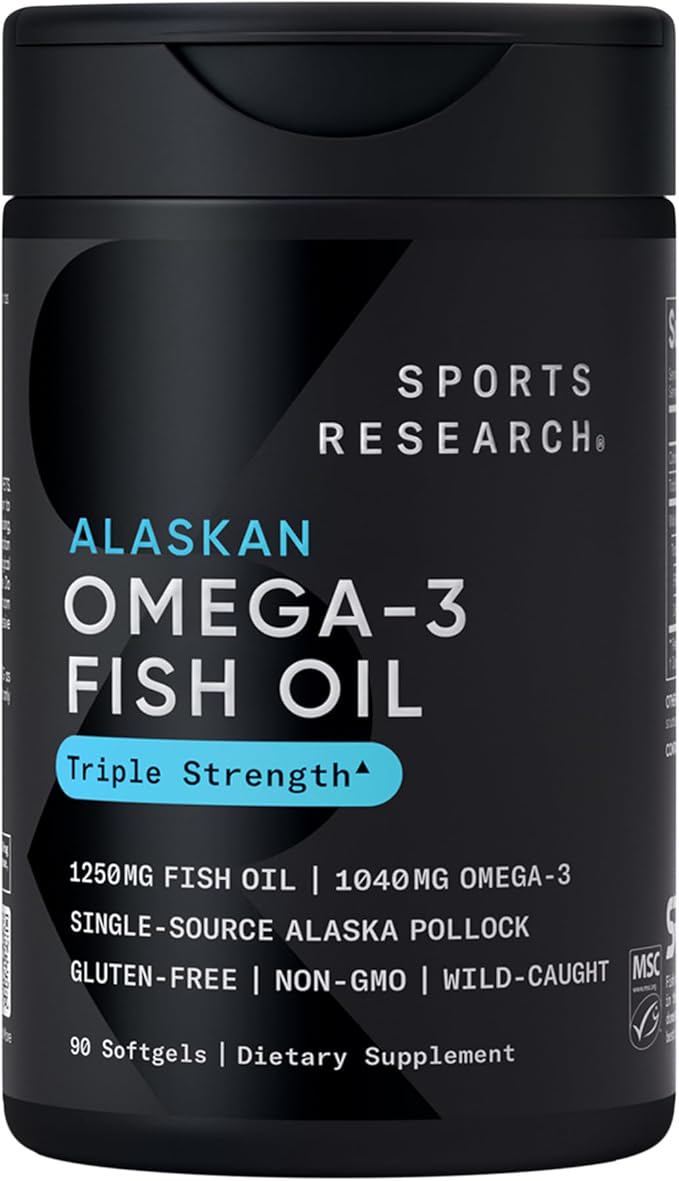
Fatty fish like salmon, mackerel, and sardines are rich in omega-3 fatty acids and vitamin D—two nutrients that play a role in regulating cortisol. Research suggests that omega-3s can reduce the body's stress response, while adequate vitamin D levels are linked to better sleep quality. A 2014 study in the Journal of Sleep Research found that people who ate fatty fish three times a week fell asleep faster and reported better daily functioning compared to those who ate chicken, beef, or pork.
To get these benefits, dietitians recommend including a 3- to 4-ounce portion of fatty fish in your dinner a few nights per week. The combination of healthy fats and protein also helps stabilize blood sugar overnight, which can prevent cortisol spikes that wake you up.
2. Kiwi: A Small Fruit with Big Sleep Benefits
Kiwis are one of the few fruits studied specifically for their sleep-promoting effects. They contain serotonin, a neurotransmitter that helps regulate sleep cycles, as well as folate and antioxidants that may help lower cortisol. In a 2011 study from Asia Pacific Journal of Clinical Nutrition, adults who ate two kiwis one hour before bed for four weeks fell asleep faster and slept more soundly.
Dietitians note that the fiber and natural sugars in kiwi provide a steady energy release, unlike processed snacks that can disrupt sleep. Eating one or two kiwis as an evening snack is a simple habit that supports lower stress hormones and deeper rest.
3. Leafy Greens: Magnesium-Rich Stress Busters
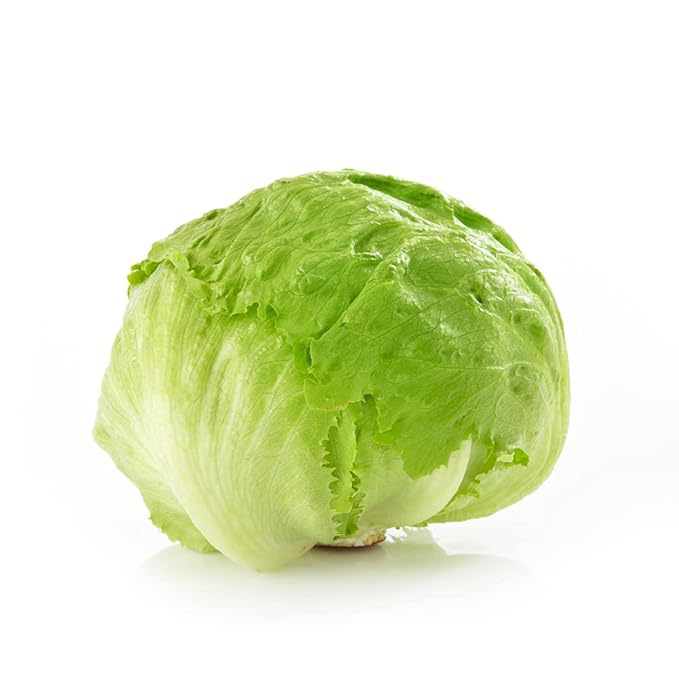
Magnesium is a mineral that helps calm the nervous system and reduce cortisol levels. Leafy greens like spinach, kale, Swiss chard, and collard greens are among the best food sources. A 2017 review in Nutrients highlighted that magnesium supplementation improved sleep quality and reduced stress markers in older adults, though getting it from food is preferred.
Dietitians suggest adding a serving of leafy greens to your evening meal—perhaps a salad or sautéed greens alongside a lean protein. The vitamin K and fiber in these vegetables also support overall health, making them a multitasking addition to any dinner plate.
4. Tart Cherries: A Natural Melatonin Source
Tart cherries—especially Montmorency cherries—are one of the few foods that naturally contain melatonin, the hormone that signals your body it's time to sleep. They also have anti-inflammatory compounds that can help lower cortisol. A 2018 study from the Journal of Medicinal Food found that adults who drank tart cherry juice twice daily for two weeks experienced significant improvements in sleep duration and quality.
You can eat fresh or frozen tart cherries as a snack, or drink unsweetened tart cherry juice about 30–60 minutes before bed. Just watch portion sizes—too much juice can add unwanted sugar. A small glass or half-cup of cherries is enough to support better sleep.
Putting It Together: A Sleep-Supportive Meal
For a concrete example of how these foods can work together, dietitians suggest a simple dinner: grilled salmon with a side of sautéed spinach and a small bowl of tart cherries for dessert. Later in the evening, a kiwi as a snack can reinforce the sleep signal. This combination delivers omega-3s, magnesium, melatonin, and serotonin precursors—all without overcomplicating your routine.
Tip: Aim to finish your last meal at least two to three hours before bedtime to allow your body time to digest. This helps prevent any digestive discomfort that could interfere with sleep.
Beyond these four foods, general healthy eating habits—like limiting caffeine after noon, reducing alcohol intake, and staying hydrated—can further support lower cortisol and better rest. The goal isn't perfection, but consistency: small, sustainable changes to your diet can gradually shift your sleep and stress levels for the better.