
You put in the work at the gym, you sweat, you push through the last rep—then you wait for your muscles to rebuild. But sometimes, that recovery never quite happens the way you expect. Soreness lingers, performance dips, and you wonder what went wrong. Often, the culprit isn't your workout, it's a hidden self-care mistake that's quietly sabotaging your recovery.
Muscle repair is a complex process that depends on sleep, nutrition, hydration, and rest. When any of these factors is off, your body can't rebuild efficiently. Here are the five most common self-care mistakes that slow down muscle recovery—and how to fix them.
1. Skimping on Sleep
Sleep is when your body does its deepest repair work. During deep sleep, growth hormone spikes, protein synthesis ramps up, and damaged muscle fibers get rebuilt. If you're consistently getting less than seven hours, you're starving your muscles of that anabolic window.
Aim for 7–9 hours of quality sleep per night. Keep your bedroom cool, dark, and quiet. Avoid screens for at least 30 minutes before bed—blue light can suppress melatonin and disrupt your sleep cycle.
2. Ignoring Hydration
Water isn't just for quenching thirst; it's essential for nutrient transport and waste removal in muscle cells. Even mild dehydration can impair blood flow, reduce your ability to clear metabolic waste like lactate, and slow down the delivery of amino acids to muscles.
Drink water consistently throughout the day, not just during workouts. A good rule of thumb is to drink half your body weight in ounces daily—more if you sweat heavily.
3. Not Eating Enough Protein (or Eating It at the Wrong Times)
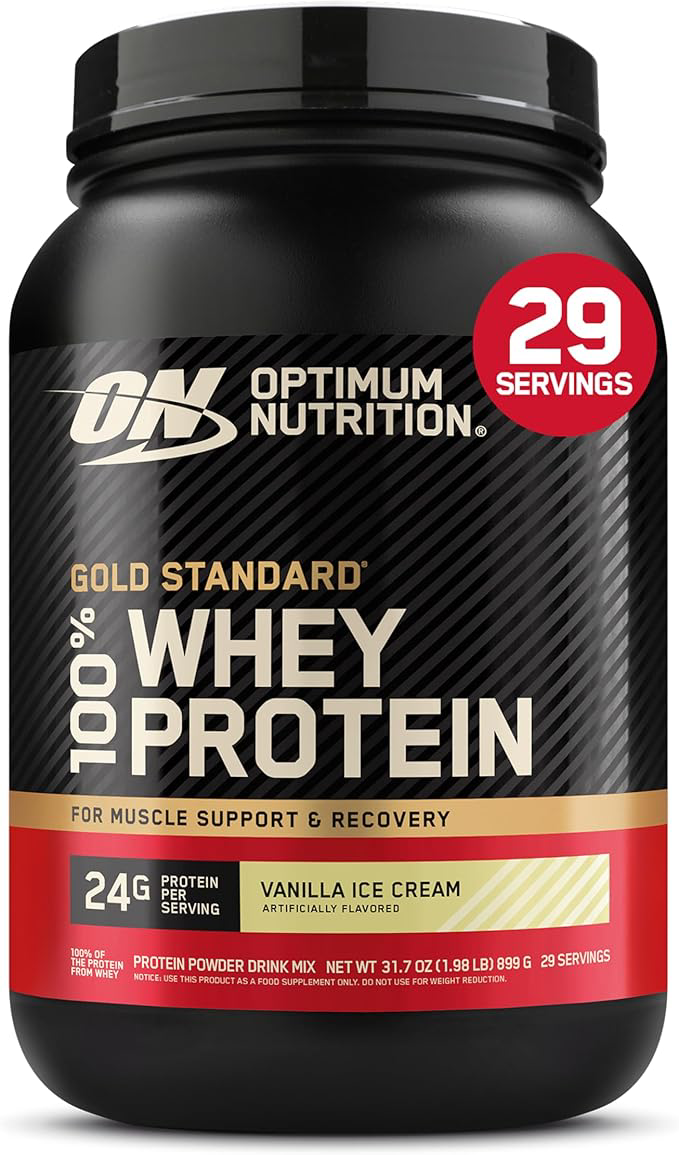
Protein provides the amino acids your muscles need for repair. But eating one huge protein-packed dinner after your workout isn't optimal. Your body uses protein more efficiently when you spread intake across the day—typically 20–40 grams every 3–4 hours.
Eating protein within a couple of hours after exercise helps kickstart muscle repair. This is the 'anabolic window,' and while it's wider than once thought, timing still matters for recovery speed.
Don't forget carbohydrates. They replenish glycogen stores and create an insulin spike that helps shuttle amino acids into muscles. A balanced post-workout meal should include both protein and carbs.
4. Overtraining and Under-Resting
More is not always better. When you train hard without adequate rest, you accumulate micro-tears faster than your body can repair them. This leads to a state of chronic inflammation, elevated cortisol, and stalled progress—known as overtraining syndrome.
Schedule at least one full rest day per week, and consider active recovery (light walking, stretching, yoga) on other days. Listen to your body: if you feel persistently fatigued, irritable, or notice a drop in performance, take an extra rest day.
5. Neglecting Stress Management
Chronic stress keeps cortisol levels high. Cortisol is catabolic—it breaks down muscle tissue and inhibits protein synthesis. Even if your nutrition and sleep are on point, unmanaged stress can keep you stuck in a recovery deficit.
Incorporate daily stress-reduction practices: breathwork, meditation, a short walk in nature, or a hobby that helps you disconnect. Even five minutes of deep breathing can lower cortisol and shift your body from fight-or-flight to rest-and-digest mode.
Muscle recovery isn't an afterthought; it's an active part of your training plan. By avoiding these five self-care mistakes—poor sleep, dehydration, uneven protein timing, too much training without rest, and unchecked stress—you give your body the best chance to rebuild stronger. Small adjustments in daily habits can lead to big improvements in how you feel and perform.