
Pregnancy brings a flood of hormones, and for many women, that means changes in the skin. The most common is melasma—sometimes called the “mask of pregnancy”—which shows up as brown or grayish patches on the cheeks, forehead, nose, or upper lip. It’s not dangerous, but it can be stubborn and emotionally frustrating. The good news is that a good bit of that frustration comes from accidentally making things worse. Here is what dermatologists and OB-GYNs specifically advise against when you’re managing hyperpigmentation during pregnancy.
Why standard brightening ingredients are off-limits right now
Your skin-care routine probably changed as soon as you saw that positive test. You swapped retinol for something gentler and maybe stopped using salicylic acid. But what about that dark-spot treatment you were using before? Many of the most effective pigment-fighters are exactly the ones you need to pause during pregnancy and while breastfeeding.
Hydroquinone is the biggest one. It’s a powerful bleaching agent available over the counter in low doses and by prescription in higher strengths. The concern is that a significant amount can be absorbed through the skin—anywhere from 35 to 45 percent—and we don’t have enough safety data about its effects on a developing baby. The American College of Obstetricians and Gynecologists (ACOG) and most dermatologists recommend avoiding it entirely during pregnancy.
High-dose vitamin A derivatives—like tretinoin, tazarotene, and adapalene—are also out. These are prescription retinoids that speed cell turnover and fade spots, but they are known to cause birth defects when taken orally, and topical versions carry enough uncertainty that experts advise skipping them until after delivery and nursing.
Even chemical peels with strong ingredients (think high-concentration glycolic acid or salicylic acid above 2 percent) are usually postponed. They can be too aggressive on pregnancy-sensitive skin and the absorption risk with deep peels isn't well studied.
Bottom line: If the ingredient list says hydroquinone, tretinoin, tazarotene, or adapalene, put the product aside until your OB-GYN gives the green light postpartum.
The sun is your skin’s worst enemy right now
Hormones make your melanocytes (the cells that produce pigment) hyper-responsive. That means they fire up at the smallest provocation—and UV light is the biggest provocation there is. If you are trying to lighten existing patches, skipping sunscreen is like mopping the floor while the faucet is still running.
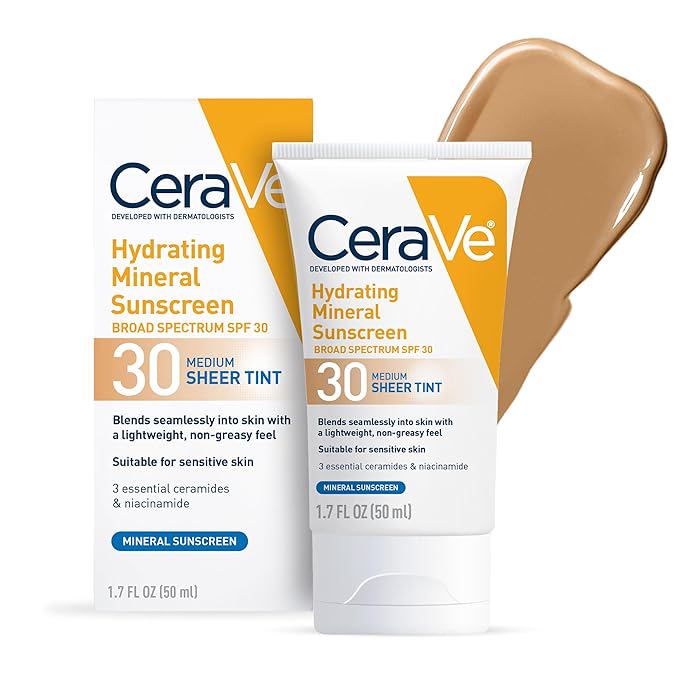
But not just any sunscreen. Physical (mineral) sunscreens with zinc oxide or titanium dioxide are the ones experts recommend during pregnancy. Chemical sunscreens absorb into the bloodstream, and while the data is not alarming, the precautionary principle leans toward mineral blockers that sit on top of the skin.
You need broad-spectrum protection (UVA and UVB) with at least SPF 30, applied every single morning and reapplied every two hours if you are outside. Cloudy days count. Driving in the car counts because UVA goes through windows. The pigment changes you are trying to manage are literally triggered by light exposure, so sunscreen isn't optional—it's the foundation of your treatment plan.
Heat can amplify pigmentation more than you think
This one surprises a lot of women. Heat alone—even without UV light—can worsen melasma. Saunas, hot yoga, long hot showers, and even the heat coming off your laptop on your lap have been linked to increased melanin production. The mechanism isn’t fully understood, but it seems that heat triggers inflammation and blood vessel dilation, which can stimulate those overeager melanocytes.
If you are prone to melasma, keep showers lukewarm and skip the steam room until after pregnancy. This is one of the easier changes to make, and for some women, it makes a noticeable difference in how dark the patches get.
Aggressive scrubbing and exfoliation
It’s tempting to scrub at those dark spots, but you will only make them angrier. Pregnancy skin tends to be more sensitive and reactive. Physical scrubs—like walnut shell powders, rough loofahs, or gritty cleansing brushes—create micro-tears in the skin barrier. That triggers inflammation, and inflammation signals your melanocytes to produce even more pigment.
Gentle chemical exfoliation with mandelic acid or low-concentration azelaic acid (usually 10 percent or less) is considered safe during pregnancy and can be helpful. But if your skin feels irritated or stingy, back off. The goal is to calm the skin, not punish it.
Stress and lack of sleep
Okay, telling a pregnant woman to avoid stress and get more sleep feels a little like telling her to avoid gravity. But the connection between cortisol (your stress hormone) and melanin production is real. Chronic high cortisol can disrupt the skin’s barrier and increase inflammation, which in turn can deepen pigmentation.
Nobody is saying you need to be serene for nine months. But small, realistic interventions—like a 10-minute walk, a consistent bedtime, or asking your partner to take over a chore—can help keep your skin from paying the price for your stress levels.
Shifting your expectations
Perhaps the most important thing to avoid is the expectation that pigmentation will vanish overnight. Pregnancy melasma often fades on its own within a few months of delivery, but for some women it lingers or becomes permanent. The safest approach during pregnancy is prevention and maintenance—not aggressive treatment. You are protecting your skin and your baby, and that slower pace is actually the most effective long-term strategy.
If the patches bother you a lot, mineral makeup can help camouflage them. And once you are no longer pregnant or nursing, your dermatologist has a full toolbox—from prescription retinoids to laser treatments—that can tackle what remains.
This article is for educational purposes only and does not constitute medical advice. Always consult your OB-GYN or dermatologist before starting or stopping any skin-care product during pregnancy.