
Pregnancy brings a flood of hormonal shifts, and for many women, that means skin that suddenly behaves like a teenager's — breakouts on the chin, jawline, and forehead. It's frustrating, especially when you're already tired and dealing with nausea. The urge to reach for the same products that worked before pregnancy is strong, but that knee-jerk reaction can lead to real trouble.
The stakes are different now. Some ingredients that were perfectly fine a few months ago can be absorbed through the skin and enter the bloodstream, potentially affecting fetal development. Other ingredients may simply be too harsh for pregnancy-sensitive skin, causing more irritation than they solve. Based on discussions with dermatologists and OB-GYNs, here are the two most common — and potentially harmful — mistakes women make when trying to treat acne at home during pregnancy.
Mistake #1: Reaching for Retinoids and Retinol-Based Products
This is the number-one error dermatologists see in pregnant patients. Retinoids — including prescription tretinoin, adapalene (Differin), and over-the-counter retinol serums — are vitamin A derivatives that accelerate skin cell turnover. They work beautifully for adult acne, but they are classified as Category C or X drugs during pregnancy, depending on the specific compound. Oral isotretinoin (Accutane) is well-known to cause severe birth defects, but topical retinoids raise concern too.
Why it's risky
While the amount absorbed through skin is lower than oral doses, research indicates enough can reach the bloodstream to pose theoretical risks to the developing baby. The American Academy of Dermatology and most obstetric guidelines recommend stopping all retinoid-based products as soon as pregnancy is confirmed — or ideally, when trying to conceive. Many women don't realize that the word "retinol" on a serum label is a red flag. They assume because it's sold without a prescription, it's safe. That assumption is wrong.
Quick check: Scan your medicine cabinet for ingredients ending in "-retin" or labeled "retinol," "retin-A," and "adapalene." If you see them, stop use and check with your OB-GYN.
Mistake #2: Using Salicylic Acid in High Concentrations or Large Areas
Salicylic acid is a beta hydroxy acid (BHA) found in many face washes, toners, spot treatments, and acne pads. In over-the-counter products (typically 0.5% to 2%), topical application is generally considered safe in limited amounts — but problems arise when women use high-percentage peels, apply it over large body areas, or use multiple salicylic acid products at once.
Where the line is
The concern stems from oral salicylate use in pregnancy (like aspirin), which is linked to bleeding risks and other complications. While topical application doesn't reach the same blood levels, heavy or widespread use — especially on inflamed, broken skin — can increase absorption. Most dermatologists and the American College of Obstetricians and Gynecologists recommend sticking with short-contact products (washes you rinse off) at 2% or below, and avoiding leave-on gels or serums that contain salicylic acid. Peels and professional-strength treatments (10% to 30%) should be completely avoided during pregnancy.
What you can safely reach for
You don't have to suffer breakouts for nine months. There are effective, well-researched alternatives that are considered low-risk during pregnancy. A few categories that dermatologists recommend:
- Glycolic acid and lactic acid (AHAs). These gentle alpha hydroxy acids exfoliate without the absorption concerns of salicylic acid or the developmental risks of retinoids. Products with 5% to 10% glycolic acid are generally considered safe when used a few times a week.
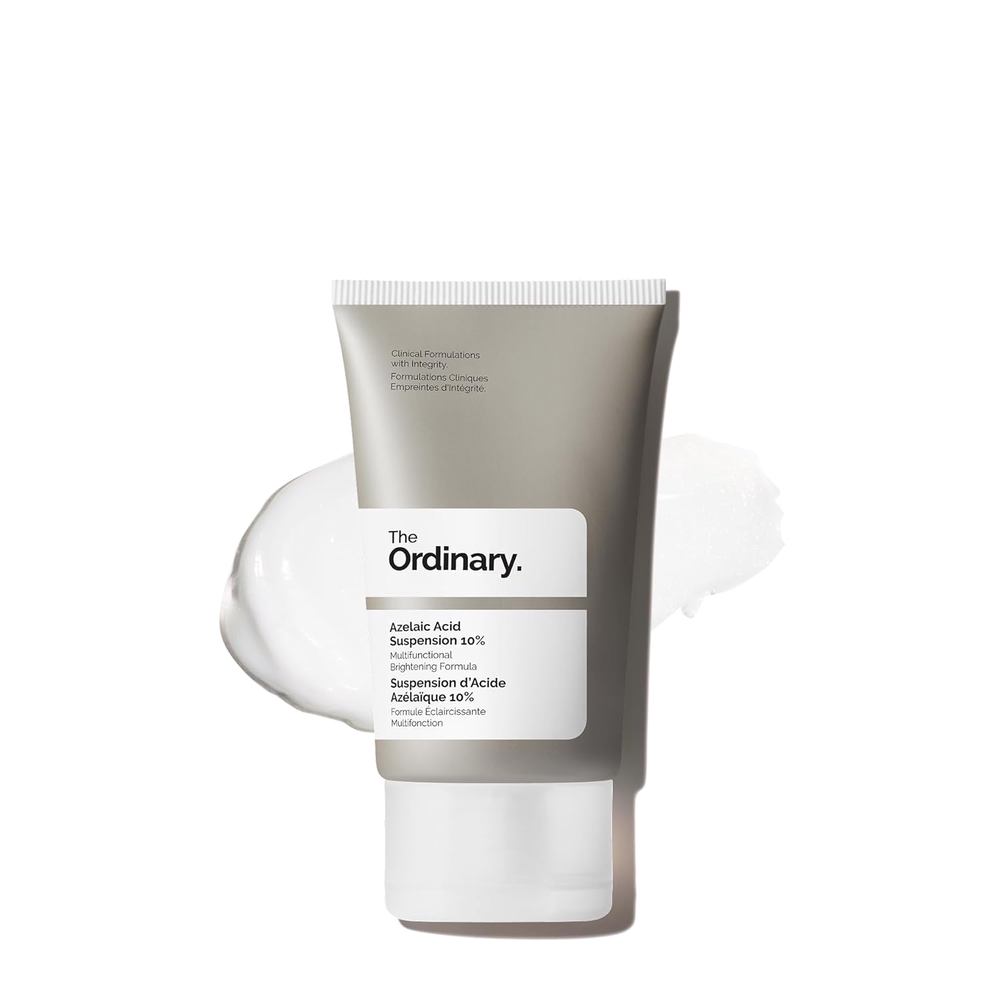
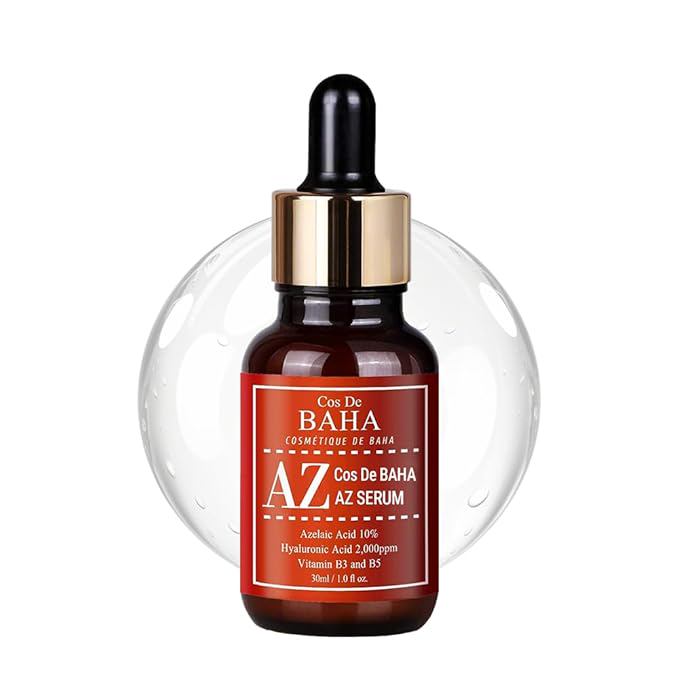
- Azelaic acid. This naturally occurring acid is excellent for both acne and redness. It is often prescribed during pregnancy because it has a strong safety track record — studies show very minimal absorption. It fights bacteria and reduces inflammation without causing irritation.
- Benzoyl peroxide (in moderation). Benzoyl peroxide is widely accepted as safe during pregnancy because it is broken down into benzoic acid on the skin, which is rapidly excreted. Short-contact use — a wash or leave-on spot treatment at 2.5% to 5% — can help control acne without systemic absorption.
- Simple sulfur masks. An old-school approach that works for some: sulfur-based spot treatments or masks can dry out pimples gently without introducing complex chemicals.
Two more common oversights
While the retinoid and salicylic acid mistakes are the most frequent, a couple of other errors bear mentioning. Some women turn to essential oils like tea tree, clary sage, or rosemary for natural treatment. While tea tree oil may help mild acne, certain essential oils — especially clary sage and rosemary — are not well studied in pregnancy and in high concentrations may trigger uterine contractions. A much safer bet is a mild, fragrance-free cleanser.
Other women make the mistake of overwashing. Using harsh acne washes two or three times a day strips the natural protective barrier, causing the skin to produce even more oil — which actually worsens breakouts. Stick to washing once in the morning and once at night with a gentle, non-comedogenic cleanser. One or two washes with a 2.5% benzoyl peroxide cleanser per day can be effective without over-drying.
When to call a doctor
If your acne is severe — painful cysts, deep nodules, or widespread inflammation — home treatment may not be enough. Your OB-GYN or a dermatologist who works with pregnant patients can suggest options such as topical clindamycin (a pregnancy-safe antibiotic), low-dose erythromycin, or, in rare cases, oral medications that are carefully selected based on trimester and overall health. Do not try to treat severe acne yourself with leftover prescriptions or aggressive home peels.
The bottom line: Treating acne while pregnant is about risk reduction, not elimination. Avoid topical retinoids and high-dose salicylic acid. Stick with AHAs, azelaic acid, benzoyl peroxide in small amounts, and always confirm with a provider before introducing something new.