
Pregnancy brings a lot of changes, and for many women, one of the most irritating is the persistent, maddening itch. It can strike on the belly, thighs, breasts, or even the palms and soles of the feet. While medicated creams and ointments promise a quick fix, they often come with preservatives, fragrances, or active ingredients you'd rather avoid during pregnancy. The good news is that you can find real relief by shifting a few daily habits. Here are five practical, cream-free strategies to help you calm the itch naturally.
1. Swap your shower routine
Hot water strips the skin of its natural oils, which are already in short supply during pregnancy. If you've been turning up the temperature for some muscle relief, you may be worsening the dryness that fuels the itch. Switch to lukewarm showers lasting no more than ten minutes. Use a gentle, fragrance-free cleanser that won't disrupt your skin's pH. After you step out, resist the urge to towel off completely. Pat your skin until it's still slightly damp, then lock in moisture with a simple, bland moisturizer. This immediate layering helps seal water into the skin without the need for anything medicated.
2. Stay ahead of the moisture curve
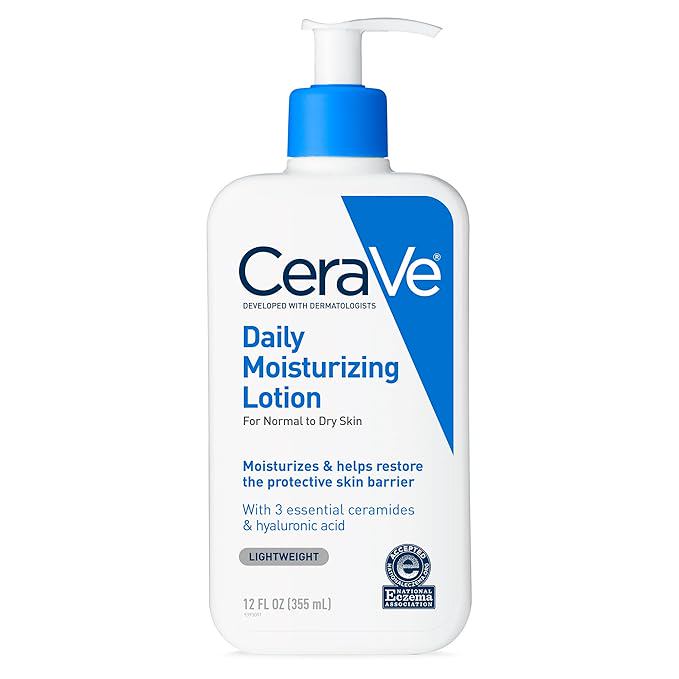
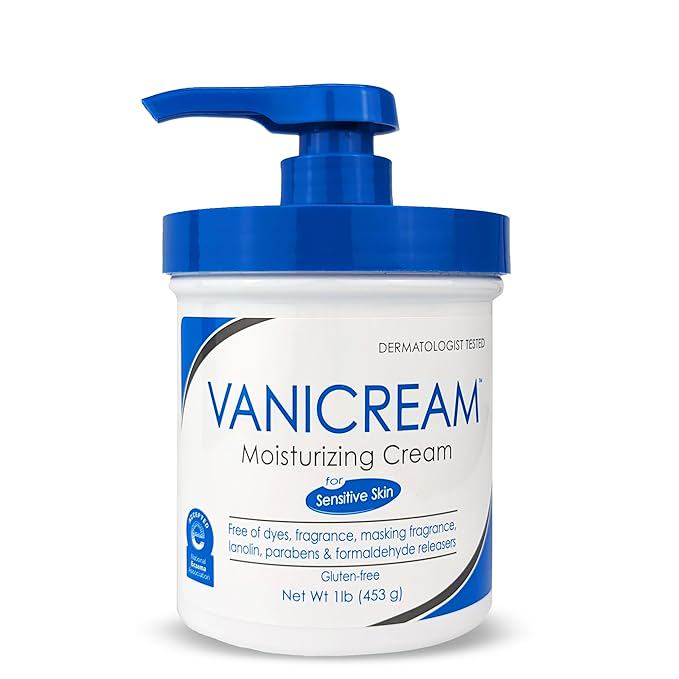
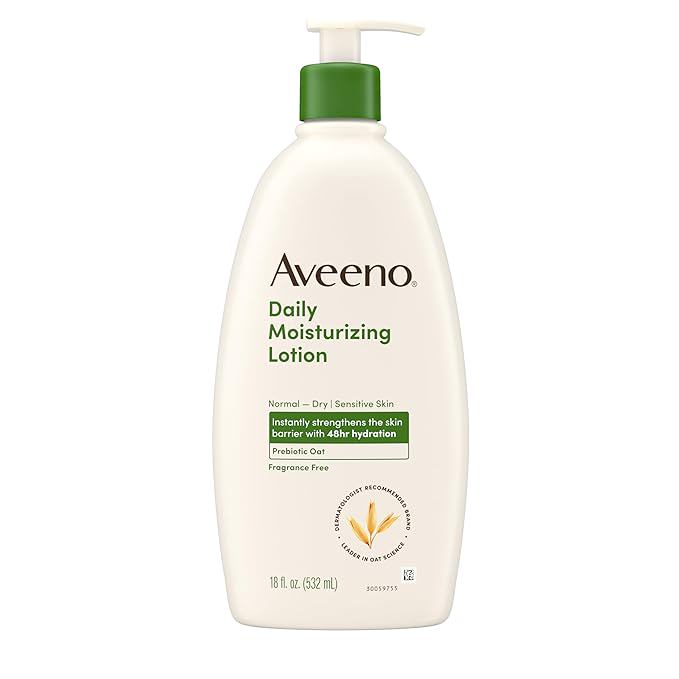
Waiting until your skin feels dry is already too late. The key is to moisturize before the sensation of tightness or itching begins. Aim to apply a non-irritating, hypoallergenic lotion or cream at least twice a day. Focus on the areas that stretch most: your belly, lower back, and inner thighs. Look for products free of artificial fragrance, dyes, and essential oils—those are common triggers for itchiness, not remedies. Ingredients like colloidal oatmeal, shea butter, and ceramides can help strengthen the skin barrier and retain moisture.
Morning and night moisturizing isn't just a beauty step; it's a physical barrier against the stretch and dryness that cause itching.
3. Dress for relief
Your wardrobe choices directly affect your skin's comfort. Tight synthetic fabrics trap heat and sweat, which can aggravate itching and even trigger heat rash or prickly heat. Instead, reach for loose-fitting clothing in breathable natural fibers like organic cotton, bamboo, or linen. These materials allow air to circulate, reducing the friction and irritation that can set off an itch. As your pregnancy progresses, pay special attention to waistbands, bra straps, and under-elastics—anything that compresses the skin can worsen the problem. A soft cotton dress or a roomy, seamless tank top can feel like a soothing hug for sensitive skin.
4. Cool down from the inside out
Simple temperature regulation can often short-circuit an itching episode. Keep a cool, damp washcloth in the fridge and press it gently against an itchy spot for a few minutes. The cool temperature helps numb the nerve endings and reduces inflammation without any topical treatment. You can also take a cool (not cold) bath. Some women find that adding a handful of colloidal oatmeal or baking soda to the bath water adds an extra layer of calming relief. If you don't want to soak, a cooling gel pack wrapped in a thin towel can be applied to your thighs, belly, or back for a few minutes at a time.
5. Put your mind in the game
Itching is as much a neurological sensation as it is a skin issue. When you let yourself get stressed or anxious, your body releases cortisol, which can worsen inflammation and make you more sensitive to the urge to scratch. Practice a simple, focused relaxation technique once a day. It could be deep breathing, guided pregnancy meditation, or even a consistent evening wind-down routine. The goal isn't to be stress-free (that's unrealistic), but to give your nervous system regular breaks from the 'itch-scratch' cycle. Many women find that when they learn to pause before scratching, the sensation fades after a minute or two.
If your itch is severe, persistent, or accompanied by a rash, vomiting, or yellowing of the skin, contact your healthcare provider immediately. In rare cases, itching during late pregnancy can be a sign of intrahepatic cholestasis of pregnancy (ICP), a liver condition that requires medical attention. For the majority of women, however, these five habits offer a gentle, effective way to stay comfortable without reaching for harsh chemicals.