Curly hair comes with a unique set of demands, and two of the most frustrating issues are frizz and an itchy scalp. As someone who has spent years in the wellness and haircare space, I can tell you that these problems are often connected, and the solutions frequently start with something as simple as your washing routine. Stylists and trichologists alike emphasize that many common habits—like reaching for very hot water—can quietly sabotage your curls.
When the weather turns cold, a steaming shower feels like a necessity. But that comforting heat can be a major culprit behind brittle strands and a flaky, irritated scalp. It is not about giving up comfort; it is about understanding why stylists caution against certain practices and what you can do instead to keep your curls defined, hydrated, and your scalp calm.
Why Hot Water Is a Problem for Curly Hair
Curly hair is naturally drier than straight hair because the scalp's natural oils have a harder time traveling down the hair shaft's twists and turns. Add hot water to the mix, and you are compounding the issue. High temperatures act like a harsh detergent, stripping away the protective sebum layer. This leaves the hair cuticle raised and rough, which is the technical definition of frizz. Instead of smooth, defined curls, you get a fuzzy, undefined texture that is prone to tangling.
Tip from stylists: If you are struggling with frizz that appears right after the shower, your rinse temperature is often the first place to look.
Scalp Inflammation and Itchiness
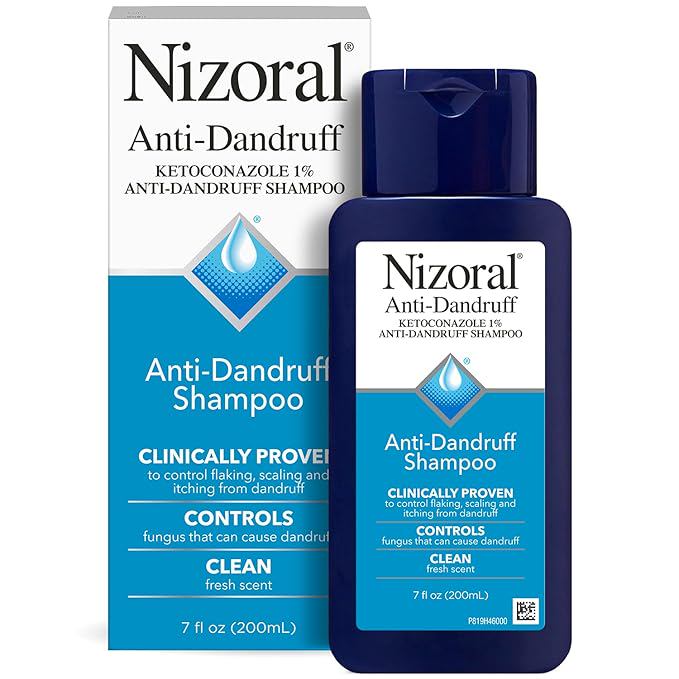
The scalp is skin, and it is sensitive. Prolonged exposure to hot water can cause a mild thermal burn, leading to redness, irritation, and inflammation. This is especially problematic for those with already sensitive or curly scalps. When the scalp is inflamed, it cannot absorb nutrients or oxygen efficiently, which weakens hair follicles. Over time, this can increase hair shedding and worsen itchiness. An inflamed scalp also struggles to shed dead skin cells properly, which directly contributes to dandruff and that persistent urge to scratch.
Increased Hair Breakage and Shedding
Hot water makes hair more porous. When the cuticle layer is forced open by heat, the inner structure of the hair loses moisture and becomes brittle. For curly hair, which is already more fragile at the bends and twists, this brittleness translates directly to breakage. You may notice more hair in your shower drain or on your brush. Stylists point out that this type of breakage is often mistaken for true hair loss, but it is actually mechanical damage accelerated by the wrong water temperature.
The Ideal Water Temperature for Curly Hair
So, what is the right approach? Stylists almost universally recommend lukewarm water. It is warm enough to effectively dissolve product buildup, dirt, and excess oil without stripping the scalp bare. Lukewarm water also allows the cuticle to lie flat, which seals in moisture and reduces frizz. A final cool rinse—not ice cold—can help close the cuticle and add a noticeable shine. If you need to maximize scalp comfort, a lukewarm wash followed by a gentle, sulfate-free shampoo is far better than a high-heat wash.
What About Cold Water?
While a cold rinse can boost shine, washing entirely with cold water is not practical for most people. It does not emulsify oils or cleanse the scalp effectively, so you end up with residue that weighs curls down and can block hair follicles, leading to more scalp issues. Lukewarm is the sweet spot: effective cleansing without the damage.
Additional Stylist-Approved Practices for Frizz and Itchiness
Temperature is only one piece of the puzzle. To manage frizz and a reactive scalp, stylists also emphasize these habits:
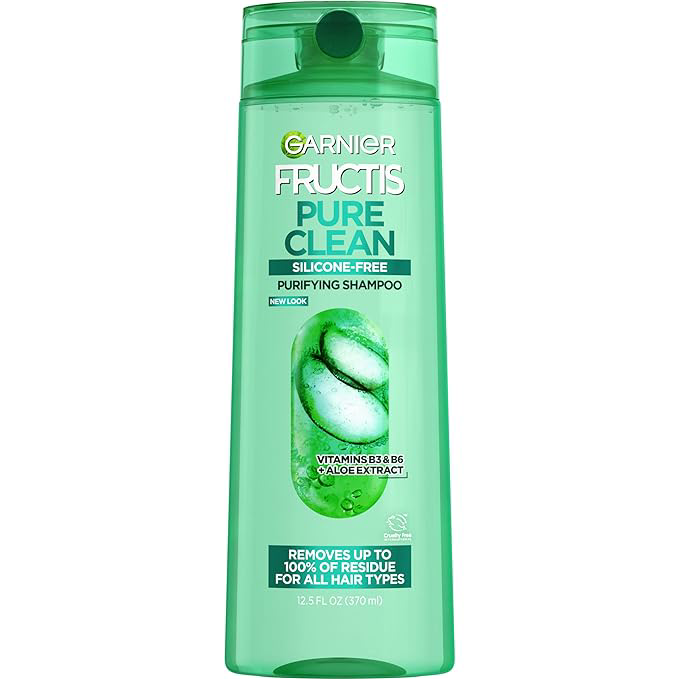
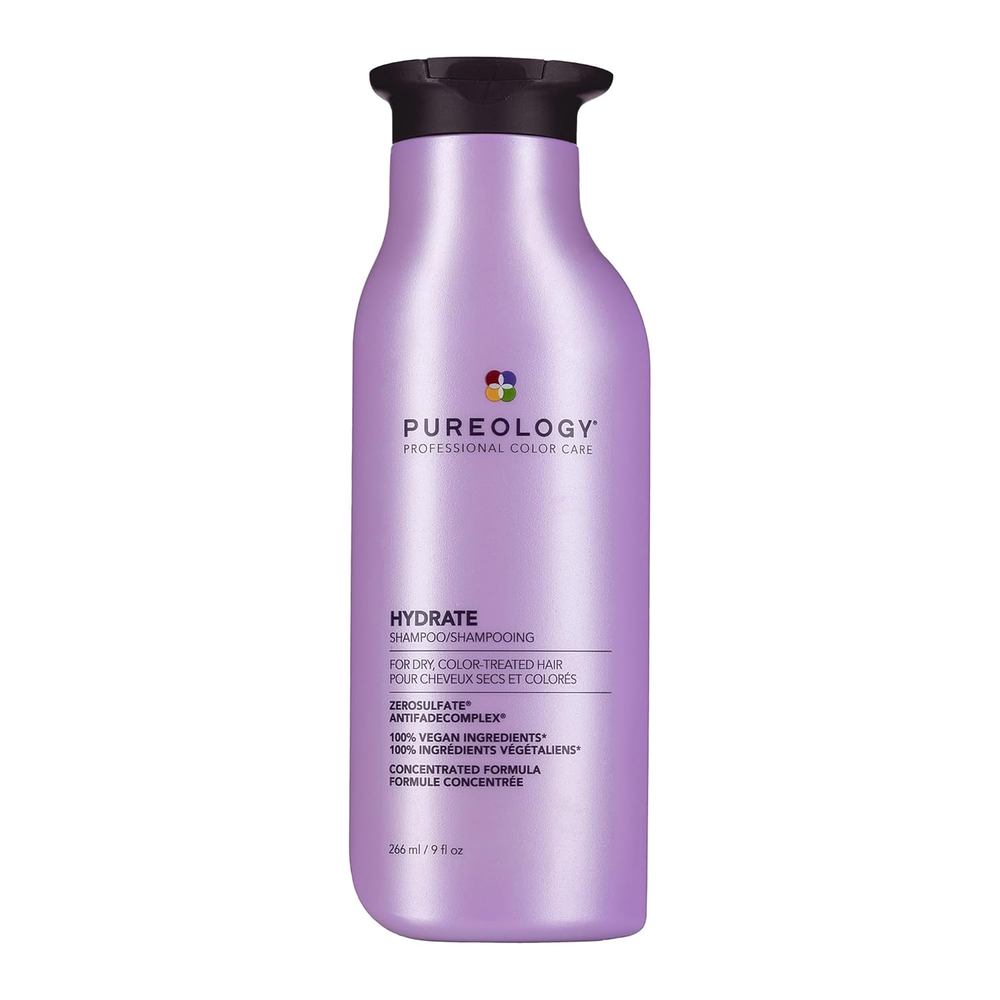
- Use a gentle, moisturizing shampoo: Harsh sulfates can strip the scalp, worsening itchiness and dryness. A sulfate-free formula with ingredients like aloe or glycerin is preferable.
- Apply conditioner from mid-lengths to ends: This prevents product buildup on the scalp, which can clog pores and cause irritation, while giving the thirsty ends the hydration they need.
- Protect hair from the elements: Cold wind and dry indoor heat both pull moisture from curls. A satin-lined cap or scarf can shield the hair and scalp, reducing both frizz and itchiness.
- Seal with a lightweight oil or leave-in: Natural oils like jojoba or grapeseed mimic the scalp's own sebum. They help lock in moisture and calm the follicle without weighing down curls.
Managing frizz and an itchy scalp is not about a single magic product. It is about creating a consistent routine that respects the unique needs of curly hair—starting with the temperature of the water that touches it every day.