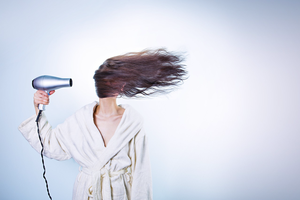
You step out of the shower, hair freshly conditioned, expecting softness. Instead, your strands feel straw-like within hours. If this sounds familiar, the culprit might not be your shampoo or conditioner—it could be what you’re drinking. Certain beverages can dehydrate your hair from the inside out, counteract your conditioning routine, and leave even the healthiest strands feeling brittle.
Here are three drinks to reconsider if dry hair is a persistent problem.
1. Coffee and Caffeinated Beverages
That morning cup of coffee may wake you up, but it can also leave your hair feeling parched. Caffeine is a diuretic, which means it increases urine production and can lead to mild dehydration. When your body is even slightly dehydrated, it prioritizes water for vital organs over your hair, skin, and nails. The result? Dry, brittle strands that resist conditioning.
Additionally, high caffeine intake can elevate cortisol levels, which may disrupt the natural oil production of your scalp. A less oily scalp might sound appealing if you have greasy hair, but for those with dry hair, it can worsen the problem by stripping away protective sebum.
Quick tip: If you can't skip coffee, try to drink one glass of water for every cup of coffee you consume. This helps offset the dehydrating effects without giving up your morning ritual.
2. Sugary Cocktails and Mixed Drinks
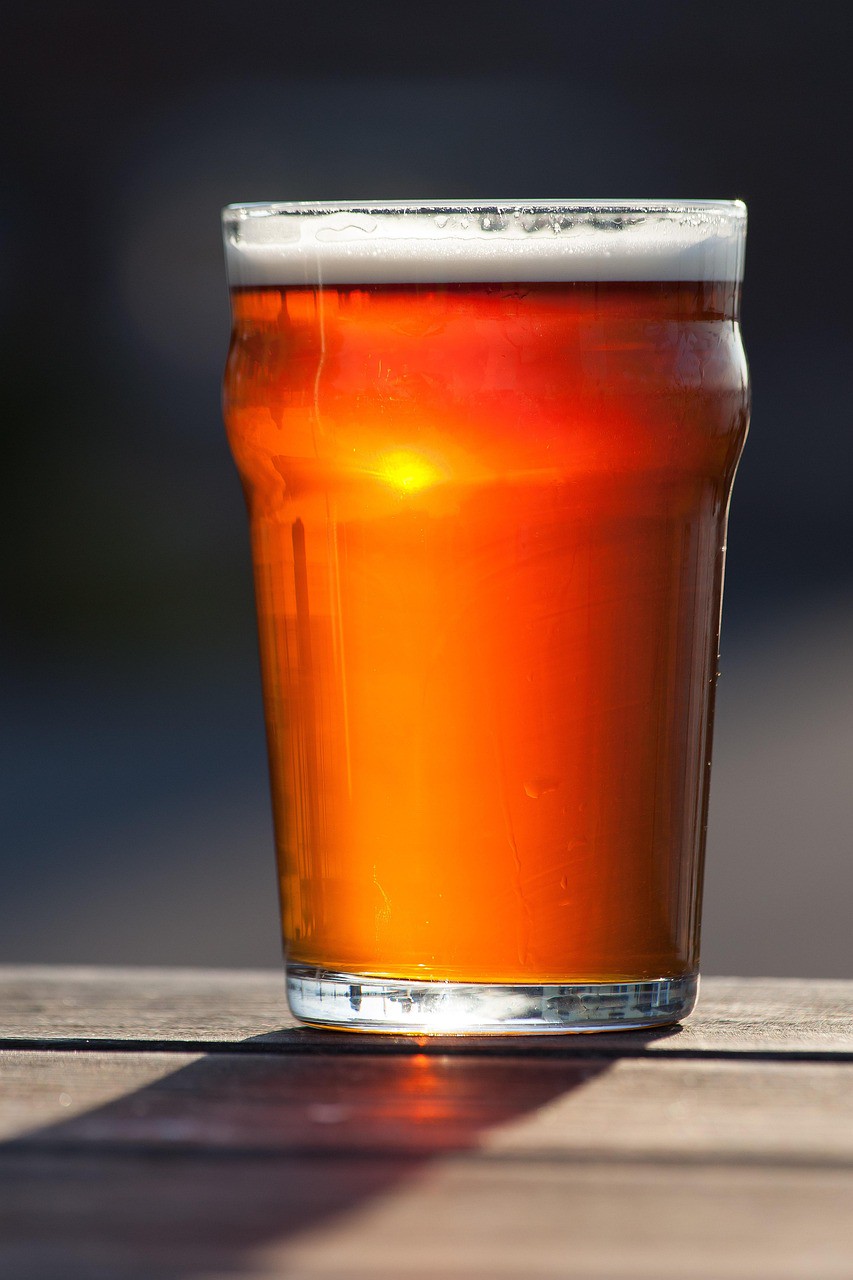
Alcohol is a well-known diuretic, and when combined with sugar (think margaritas, daiquiris, or sweet wines), the drying effect is amplified. The combination can deplete your body's stores of moisture and essential nutrients like zinc and B vitamins—both critical for healthy hair growth and shine.
Moreover, sugar can trigger inflammation in the body, which may affect the scalp's health. An inflamed scalp produces less sebum and can become dry and flaky, making it harder for your hair to retain moisture even after conditioning. Frequent consumption of sugary drinks can also damage hair proteins, leading to breakage and a less lustrous appearance.
If you do enjoy an occasional drink, opt for lower-sugar options like a dry wine or a simple spirit with soda water and lime. And always follow your drink with a glass of water.
3. Soda and Carbonated Soft Drinks
Soda is a double threat for hair health. It contains both sugar (or artificial sweeteners) and phosphoric acid, which can interfere with mineral absorption in the body. Phosphoric acid may hinder the absorption of calcium and magnesium—minerals that play a role in hair strength and moisture balance.
Regular soda consumption can also affect your body's pH balance, potentially leading to a more acidic internal environment. This systemic acidity can manifest on your scalp as dryness, irritation, or flakiness. Furthermore, the high sugar content in soda can cause glycation, a process where sugar molecules bind to proteins in hair, making it stiff, brittle, and more prone to breakage.
Even diet sodas aren't a safe bet. Artificial sweeteners may disrupt gut health and nutrient absorption, indirectly affecting how well your hair retains moisture.
How These Drinks Affect Your Hair Conditioner’s Work
Your conditioner works by coating the hair shaft with moisturizing ingredients like fatty alcohols, oils, and silicones. But when your hair is dehydrated from the inside, these external treatments have a harder time locking in moisture. Think of it like trying to moisturize a dry sponge without first soaking it in water—the conditioner sits on the surface instead of penetrating the strand.
Beverages that dehydrate your body create a moisture deficit that no amount of conditioning can fully correct. The result is hair that feels dry, rough, and unmanageable despite your best efforts.
What to Drink Instead for Healthier Hair
Hydration starts from within. To support your conditioning routine, focus on beverages that hydrate and nourish your hair from the inside out.
- Water: The simplest and most effective drink for hair hydration. Aim for at least eight glasses a day, more if you exercise or live in a dry climate.
- Coconut water: Rich in electrolytes like potassium, which helps your body absorb water more efficiently. It also contains trace minerals that support hair health.
- Green tea: Contains antioxidants called catechins, which may help reduce scalp inflammation and support hair growth. It has much less caffeine than coffee and offers hydrating benefits.
- Herbal teas: Chamomile, peppermint, and rooibos teas are naturally caffeine-free and provide gentle hydration. Some, like peppermint, may even improve scalp circulation.
- Infused water: Add slices of cucumber, lemon, or berries to your water for a flavor boost without sugar. The added fruits provide vitamins that benefit hair health.
Remember: No single drink will transform your hair overnight. Consistent hydration, combined with a balanced diet and a good hair care routine, is key to managing dry hair.
If your hair still feels dry despite cutting back on these beverages and conditioning regularly, consider consulting a dermatologist or trichologist. They can help identify underlying issues such as nutritional deficiencies, hormonal imbalances, or scalp conditions that may be contributing to persistent dryness.