
When your scalp feels tight, itchy, or just off, it's tempting to blame irritation—a reaction to a new shampoo, dry air, or even stress. But for many people with low-porosity hair, the real culprit isn't inflammation. It's buildup. Product residue, oils, and hard-water minerals can cling to the hair shaft and scalp, creating symptoms that mimic irritation almost perfectly. Learning to spot the difference can save you from treating the wrong problem—and help your scalp feel balanced again.
Low-porosity hair has tightly closed cuticles that resist moisture and product penetration. That same structure also makes it prone to holding onto what you put on it. Over time, layers of product can accumulate, leading to a feeling of heaviness, clogged follicles, and a scalp that seems angry or sensitive. Below are the three most telling signs that separate simple buildup from true scalp irritation or sensitivity.
1. The texture of the discomfort: coated vs. inflamed
One of the fastest ways to tell buildup from irritation is to pay close attention to how your scalp feels to the touch. With low-porosity buildup, the sensation is often described as a waxy, greasy, or almost plastic-like coating on the scalp and hair roots. It does not usually throb or burn—it feels more like a layer of residue is sitting on top of the skin.
Quick check: Run a clean fingernail lightly across your scalp. If you feel a slick or rubbery film, that's likely product buildup—not irritation.
True scalp irritation, by contrast, tends to involve a raw, stinging, or inflamed sensation. The skin itself may feel tender, warm to the touch, or sore when pressed. Irritation is often accompanied by visible redness, flaking that is small and dry (rather than waxy clumps), and sometimes pinpoint bumps or hives. If your scalp hurts rather than just feels coated, you are likely dealing with a sensitivity reaction or a dermatological condition—not product overload.
2. How your hair responds to washing and drying
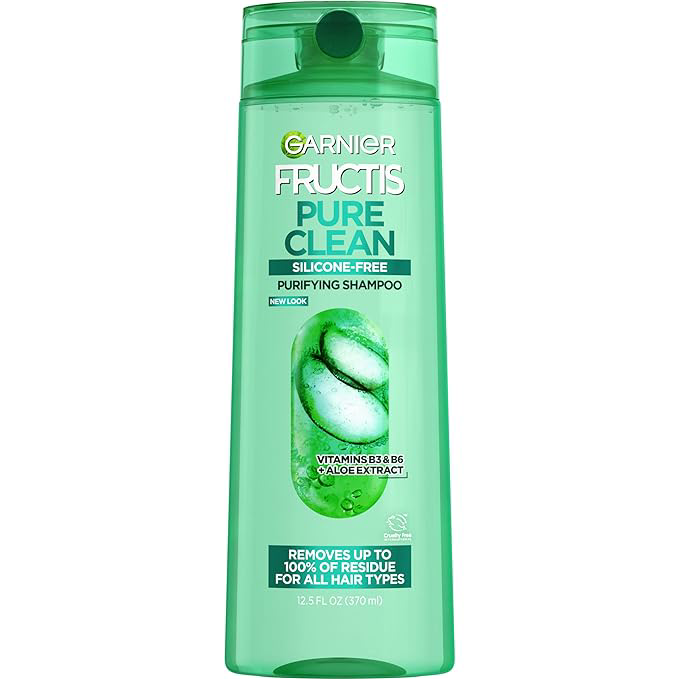
Low-porosity hair already takes a long time to get fully wet, but buildup exaggerates this trait even further. If you have been dealing with buildup, you might notice that water beads up and rolls off your hair in the shower rather than saturating it. After washing, your hair may feel heavy, look dull, or dry with an odd stiffness that regular conditioner does not fix. Sometimes a clarifying shampoo will immediately make your hair feel lighter and softer—this is a strong sign that buildup was the issue.
Scalp irritation does not usually alter how your hair absorbs water or responds to shampoo in the same way. Instead, irritation may cause your scalp to feel worse after washing—especially if you used a product with fragrances, sulfates, or essential oils that your skin does not tolerate. With irritation, the problem is not that product remains on your hair; it is that your skin is reacting to something you applied or to an environmental trigger. If your scalp feels better with fewer products and gentler washing, irritation is more likely the root cause.
3. Where and how flaking occurs
Buildup and irritation both cause flakes, but the appearance and location differ. With low-porosity buildup, flakes tend to be larger, yellowish or off-white, and waxy. They are often found along the hair shaft near the root, not just on the scalp surface. These flakes can be pulled off easily in sheets or clumps, and they may feel greasy rather than dry. Buildup flakes often come back quickly after washing if you have not used a clarifying or chelating shampoo to remove mineral deposits.
Irritation-related flakes, on the other hand, are usually finer, whiter, and dry. They tend to fall from the scalp itself and are often accompanied by itchiness that feels more like a prickly or crawling sensation than a coating sensation. In cases of contact dermatitis or allergic reaction, the flaking may be paired with small blisters, weeping, or a rash that extends beyond the hairline. If the flakes are dry and the scalp is red, sensitivity or a condition like seborrheic dermatitis is more likely than simple buildup.
Putting it all together: a simple self-check
If you are still unsure, try this: Take a break from all styling products, leave-in conditioners, and heavy oils for one week. Use only a gentle, sulfate-free clarifying shampoo (or a low-poo wash) and a lightweight conditioner on your ends only. Here is what to watch for:
- If your scalp feels cleaner, less heavy, and the symptoms fade: You were dealing with buildup. A periodic clarifying routine may help you maintain balance.
- If your scalp becomes more irritated, dry, or red: You are likely dealing with a sensitivity or scalp condition. See a dermatologist for proper diagnosis and avoid harsh cleansers.
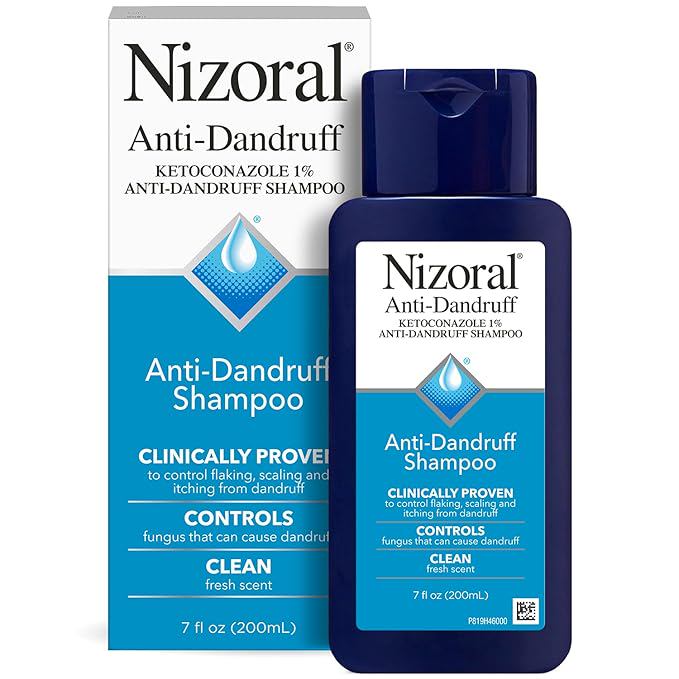
- If nothing changes: There could be an underlying issue such as fungal overgrowth or a chronic skin condition that needs professional attention.
A note of caution: While buildup is common with low-porosity hair, ongoing scalp pain or significant shedding should always be checked by a healthcare provider. This article is for educational purposes and does not replace medical advice.
Understanding the difference between buildup and irritation is empowering. Once you know which one you are dealing with, you can choose the right products and routines—whether that means using a clarifying shampoo more often, switching to fragrance-free products, or seeking medical guidance. Your scalp's signals are worth listening to, and now you know what to listen for.