If you have high-porosity hair, you already know the struggle: your strands soak up moisture quickly but lose it just as fast, leaving them dry, frizzy, and prone to breakage. What you eat matters more than you might think—certain foods can actually worsen the brittleness by affecting your hair's protein structure and hydration balance. Dietitians point to four specific culprits that people with high-porosity hair should watch out for.
Why high-porosity hair is extra vulnerable
High-porosity hair has a raised or damaged cuticle layer, which means the protective outer shell is lifted. This makes it easy for water and products to enter the hair shaft—but also easy for them to escape. The result? Hair that feels dry, tangles easily, and lacks elasticity. Diet can influence this: some foods promote inflammation or interfere with protein synthesis, making the cuticle even less able to retain moisture.
1. Sugary breakfast cereals and pastries
Refined sugars spike blood glucose and trigger a process called glycation, where sugar molecules attach to proteins like keratin—the main structural protein in hair. This makes keratin stiff and brittle, which is the last thing high-porosity hair needs. Dietitians explain that glycation also damages collagen, a supporting protein for the scalp and follicles. When you start your day with a sugary cereal or pastry, you're essentially feeding the glycation cycle. Swapping to a protein-rich breakfast with whole grains and healthy fats can help stabilize blood sugar and protect your hair's protein matrix.
2. Fried foods and fast food
French fries, fried chicken, and other deep-fried items are high in trans fats and advanced glycation end products (AGEs). These compounds promote inflammation throughout the body, including the scalp. An inflamed scalp has trouble delivering nutrients to hair follicles, and the hair that does grow may have weaker cuticle adhesion—especially problematic for already porous strands. Dietitians note that chronic inflammation can also accelerate hair shedding. Replacing fried foods with baked, grilled, or air-fried options reduces your intake of these harmful compounds and supports a healthier scalp environment.
3. High-sodium processed meats
Deli meats, hot dogs, bacon, and sausages are loaded with sodium and preservatives. Excess sodium can dehydrate the body, and since high-porosity hair struggles to hold onto moisture, a high-salt diet can worsen dryness and brittleness. Additionally, many processed meats contain sulfites and nitrates, which some research links to oxidative stress that damages hair follicles. Dietitians recommend choosing fresh, lean proteins like grilled chicken, fish, or tofu—these provide amino acids essential for keratin production without the added salt and chemicals.
4. Alcohol and caffeinated sodas
Both alcohol and caffeinated sodas have a diuretic effect, meaning they increase fluid loss. For someone with high-porosity hair, dehydration shows up quickly as lackluster, brittle strands. Alcohol also interferes with the absorption of key nutrients like zinc and B vitamins—both vital for hair growth and cuticle repair. Dietitians suggest limiting these beverages and instead prioritizing water, herbal teas, and electrolyte-rich drinks. Adequate hydration helps maintain the hair's cortex elasticity, making it less likely to snap when brushed or styled.
How to eat for stronger high-porosity hair
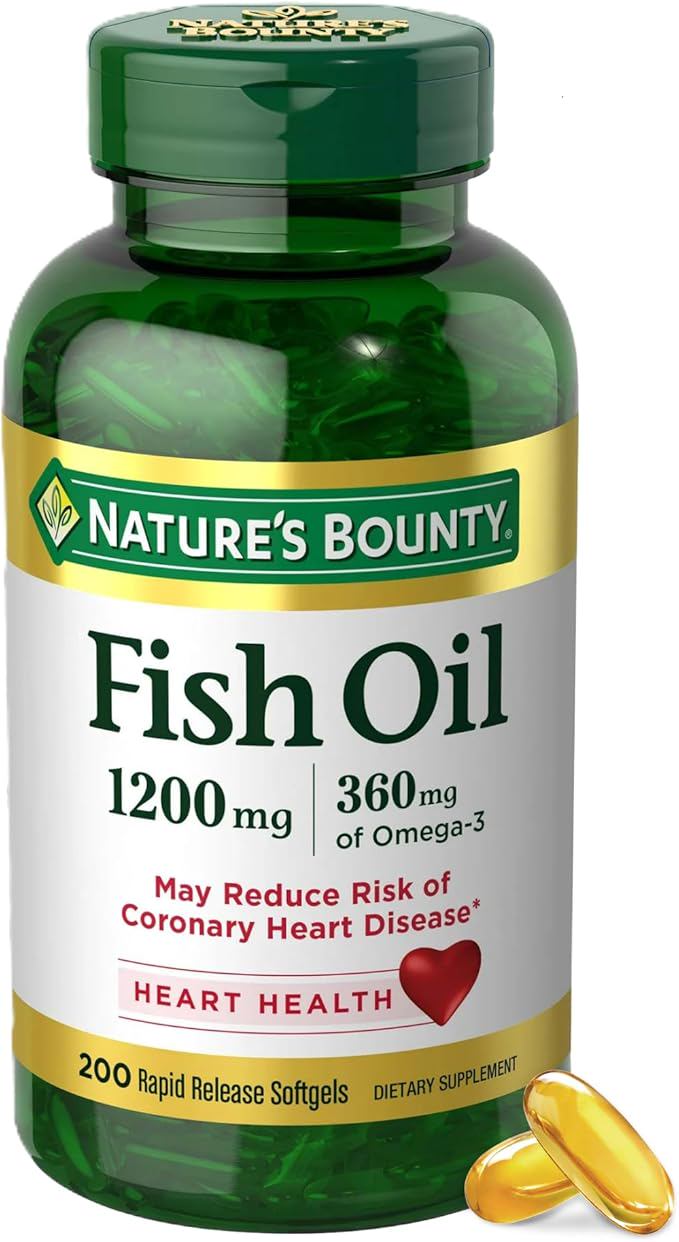
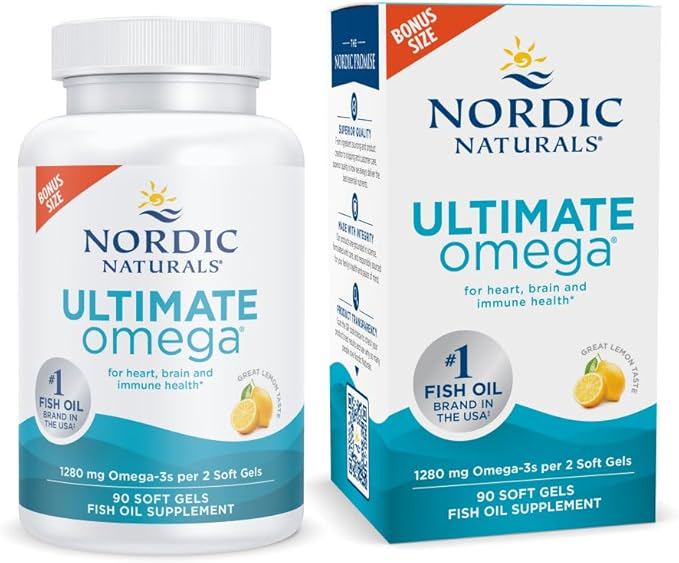
Instead of simply cutting out the problematic foods, focus on adding ones that support hair resilience. Protein-rich foods like eggs, lentils, and lean meats supply the keratin building blocks. Vitamin C from citrus fruits and bell peppers boosts collagen production, while omega-3 fatty acids from salmon or walnuts keep the scalp hydrated and reduce inflammation. Zinc-rich foods (pumpkin seeds, chickpeas) promote healthy follicle function. A balanced diet with plenty of water is your best defense against brittleness.
Dietitian tip: If you have high-porosity hair, aim for a nutrient-dense diet with controlled sugar and salt. Your hair's cuticle can't repair itself overnight, but consistent gut-friendly eating habits will show in stronger, shinier strands over time.
The link between diet and hair health is real, especially for high-porosity types. By cutting back on sugar, fried foods, processed meats, and dehydrating drinks, you give your strands a fighting chance to hold onto moisture and remain flexible. Pair smart food choices with a gentle hair-care routine—low-heat styling, protein treatments, and leave-in conditioners—to maximize results.