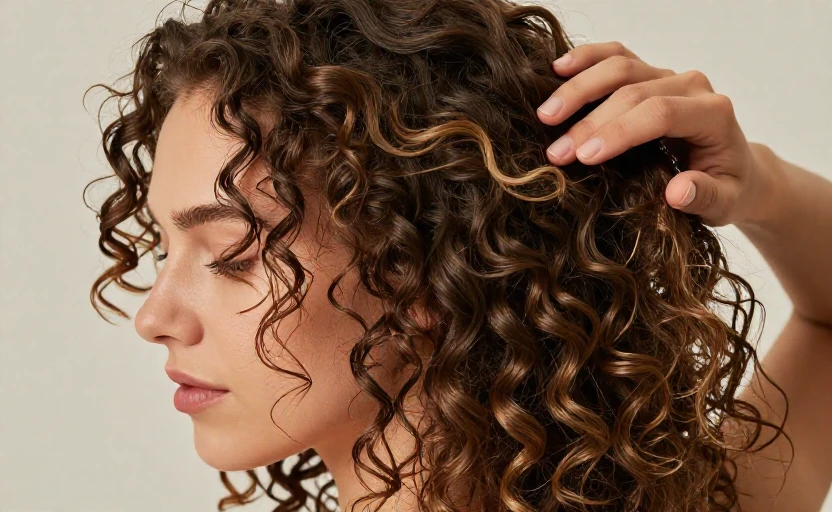
Itchy, curly hair can feel like a constant, distracting whisper against your scalp. That urge to scratch isn't just uncomfortable; it can lead to breakage, disrupt your curl pattern, and signal that your hair's delicate ecosystem is out of balance. For those with curls and coils, the challenge is twofold: soothing the scalp while nourishing the hair shaft from root to tip. The wrong product can exacerbate the problem, leaving you caught in a cycle of dryness and irritation.
Stylists who work with textured hair every day see this struggle frequently. Their insight goes beyond simple product recommendations; it's about understanding the why behind the itch and making strategic choices that address the root cause, not just the symptom. Let's explore what they want you to know.
Why Is My Curly Hair So Itchy?
Before you can choose the right product, it helps to understand what you're trying to fix. Itchiness in curly hair often stems from a dry, unhappy scalp. The natural oils produced by your scalp, called sebum, have a harder time traveling down the spiraled structure of curly and coily hair strands. This can leave the scalp itself feeling tight and parched, while the mid-lengths and ends are starved for moisture.
Other common culprits include product buildup, which clogs follicles and traps dead skin cells, or sensitivities to certain ingredients like sulfates, alcohols, or heavy silicones. Sometimes, the issue is as simple as overwashing, which strips the scalp of its natural protective barrier.
Think of your scalp as the soil for your hair. If the soil is dry and irritated, the hair growing from it won't be its healthiest.
The Stylist's Guide to Product Selection
Navigating the haircare aisle can be overwhelming. Stylists suggest a shift in perspective: look for products that communicate with each other and serve a clear purpose in your routine. It's not about having the most bottles; it's about having the right ones.
Cleansers: The Gentle Reset
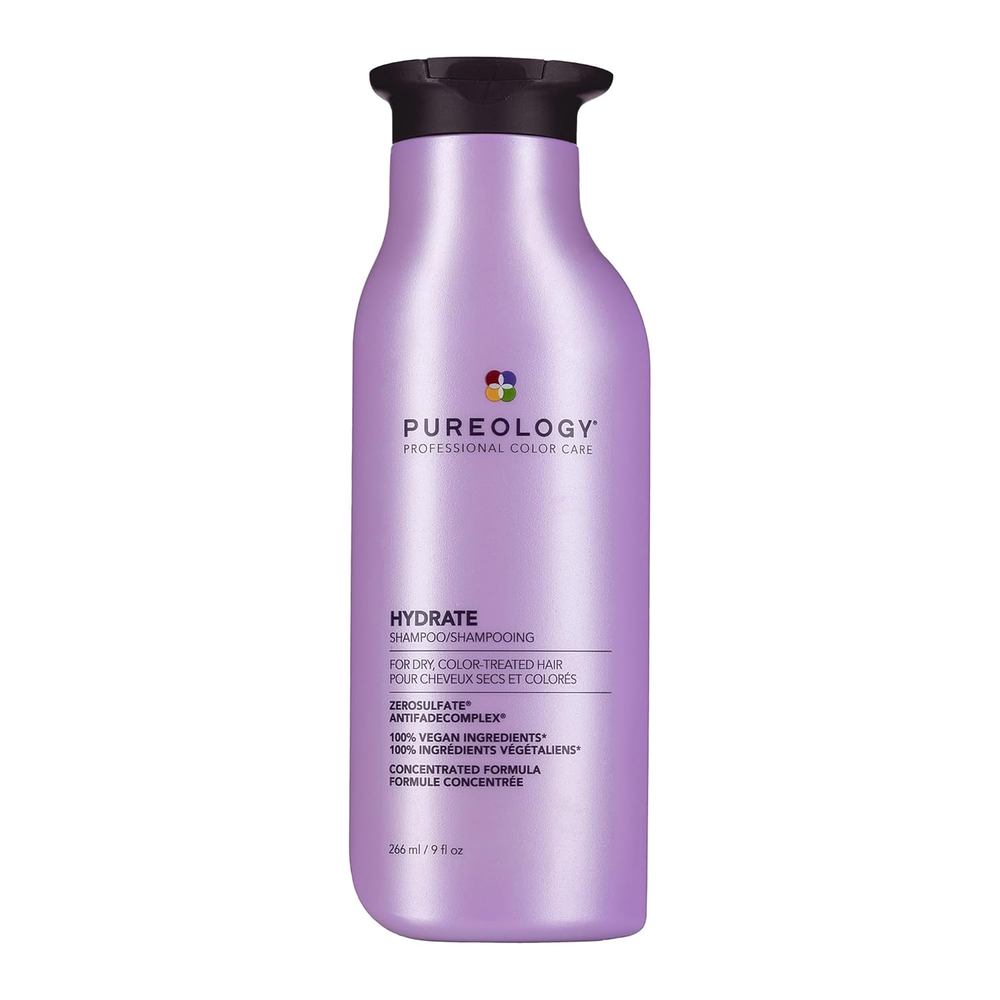
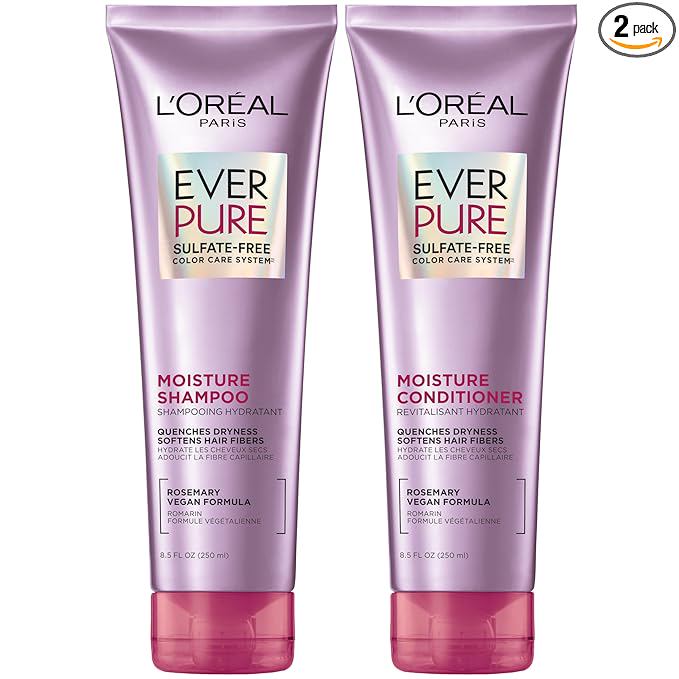
Your choice of shampoo sets the stage for everything that follows. For an itchy scalp, a harsh, stripping cleanser is your enemy.
- Seek out sulfate-free formulas. Sulfates are powerful detergents that can cleanse too aggressively, disrupting your scalp's natural moisture balance and leading to that tight, squeaky-clean feeling that often precedes itchiness.
- Consider a clarifying shampoo once a month, not weekly. This helps remove hard water minerals and product buildup without daily aggression. Look for one with chelating agents like EDTA.
- Co-washing (conditioner washing) can be a friend, but with caution. For some, using a very light, silicone-free conditioner to cleanse between shampoos adds moisture. For others with easily clogged follicles, it may worsen buildup. Listen to your scalp.
Conditioners and Masks: The Hydration Heroes
This is where you deliver deep moisture to both your scalp and hair. The goal is to quench thirst without smothering.
- Focus on humectants. Ingredients like glycerin, honey, and aloe vera draw moisture from the air into your hair. These are especially helpful in humid climates.
- Don't shy away from light oils in conditioners. Jojoba oil closely mimics the skin's natural sebum and can be soothing for the scalp. Argan oil is a fantastic, non-greasy moisturizer for hair.
- For a treatment mask, look for penetrating ingredients like shea butter, coconut oil, or avocado oil. Apply these primarily to the length of your hair, not heavily on the scalp, unless it's a formula specifically designed for scalp treatment.
Leave-Ins and Stylers: The Protective Layer
These products seal in the moisture from your wash and define your curls. The key is to avoid ingredients that can create a film on the scalp.
Heavy butters and waxes are fantastic for definition and hold on the hair shaft, but if they creep onto the scalp, they can block follicles. Apply these products starting from the mid-lengths to the ends. For the roots and scalp area, a lighter, water-based leave-in conditioner or a dedicated scalp serum is a better choice.
Ingredients to Embrace and to Approach Gently
Knowledge is power when reading a label. Here’s a quick stylist-approved decoder.
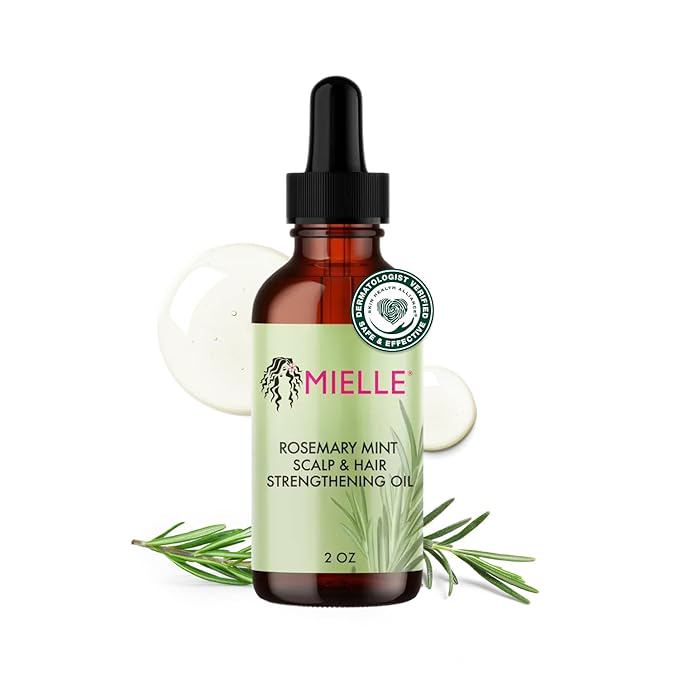
Soothing Allies: Tea tree oil (diluted), peppermint oil, witch hazel, and aloe vera have natural, gentle antiseptic and cooling properties that can calm inflammation. Salicylic acid, in small amounts in some scalp treatments, helps exfoliate dead skin cells.
Moisture Magnets: Hyaluronic acid, panthenol (pro-vitamin B5), and the humectants mentioned above are brilliant for attracting and holding water in the hair.
Ingredients to Use Strategically: Mineral oil and petroleum-based ingredients can create an impenetrable seal. This is great for locking in moisture on very dry ends but can be problematic on the scalp. Silicones (ingredients ending in -cone or -xane) smooth the hair cuticle but can build up over time, potentially leading to itchiness. If you use them, ensure you have a clarifying shampoo in your rotation.
Building a Routine That Cares for Your Scalp
Products alone aren't a cure-all. How you use them matters just as much.
When you wash, use the pads of your fingers—not your nails—to gently massage the scalp. This stimulates blood flow without causing micro-scratches. Rinse thoroughly; leftover conditioner or cleanser residue is a prime cause of itch.
Be mindful of how you style. Constantly wearing super-tight ponytails, braids, or buns can pull on the scalp and cause tension and irritation. Give your hair and scalp regular breaks from tension styles.
Finally, pay attention. If your itch is severe, accompanied by flaking, redness, or sores, it's time to consult a dermatologist or trichologist. You could be dealing with a condition like seborrheic dermatitis or psoriasis, which requires specific medical treatment.
Choosing products for itchy, curly hair is an act of listening. It's about selecting formulas that hydrate without heaviness, cleanse without stripping, and ultimately, respect the unique needs of both your scalp and your curls. With a thoughtful approach, you can turn down the volume on the itch and let your healthy hair speak for itself.