That evening glass of wine or post-dinner coffee might feel like a harmless ritual, but sleep researchers have a different take. The timing of your last drink—whether it’s alcohol, caffeine, or even a large glass of water—can quietly undermine the quality of your rest. Understanding how each beverage interacts with your sleep cycles can help you make a small adjustment that pays off in deeper, more restorative sleep.
Why Alcohol Before Bed Is a Sleep Disruptor
Many people believe a nightcap helps them fall asleep faster, and there’s some truth to that: alcohol is a central nervous system depressant. But the story doesn’t end there. Research consistently shows that alcohol consumed within three hours of bedtime fragments the second half of the night. You might drift off quickly, but as your body metabolizes the alcohol, you experience more frequent awakenings, less rapid eye movement (REM) sleep, and a lighter overall sleep state.
Sleep scientist Dr. Rebecca Robbins from the Division of Sleep Medicine at Harvard Medical School notes that alcohol reduces the time spent in REM, the stage critical for emotional regulation and memory consolidation. A 2018 study in JMIR Mental Health found that even moderate alcohol intake before bed lowered sleep quality by nearly 10 percent. The fix? Aim to finish any alcoholic drink at least three to four hours before you plan to turn off the lights.
Sleep researcher tip: If you do have a drink, pair it with a glass of water and stop drinking alcohol by early evening, not right before bed.
Caffeine’s Half-Life and Your Bedtime Clock
Caffeine is the more obvious culprit, yet many people misjudge how long its effects linger. The half-life of caffeine—the time it takes for your body to eliminate half of it—ranges from three to five hours for most adults, but can stretch to 10 hours in some people, especially those who metabolize it slowly due to genetics or oral contraceptive use. That means a 4 p.m. latte could still have significant stimulant effects at 9 p.m.
Sleep researchers generally recommend cutting off caffeine consumption eight to ten hours before bedtime. For someone who goes to bed at 10 p.m., that means no caffeine after noon or early afternoon. This rule applies not only to coffee but also to black tea, green tea, soda, and even chocolate, which contains small amounts of caffeine that can add up if you’re sensitive. If you struggle with falling asleep or staying asleep, try moving your caffeine cutoff an hour earlier and observe the difference.
Water, Herbal Tea, and the Late-Night Bathroom Trip
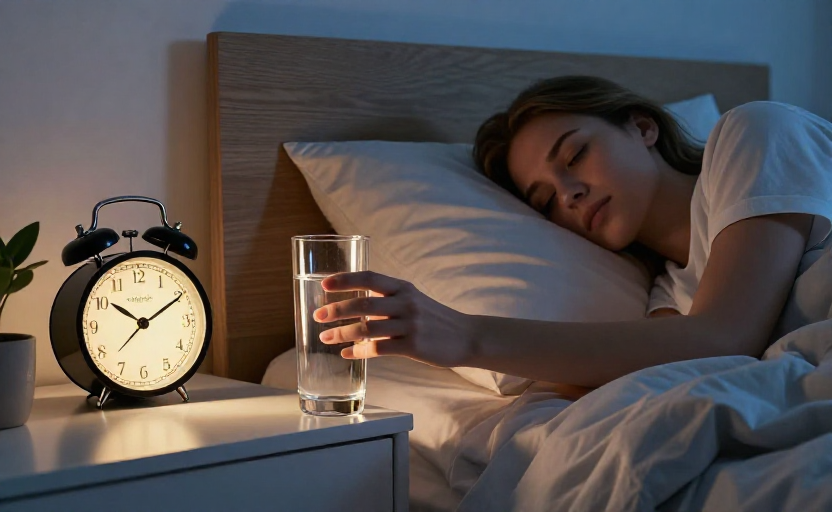
It’s not just stimulants and depressants that matter—plain water can also interfere with sleep if you time it poorly. Drinking large volumes of any fluid within an hour of bedtime increases the likelihood of nocturia, or waking up to urinate. For people over 60, or those with a smaller bladder capacity, even moderate amounts can cause interruptions. Sleep researchers advise tapering your fluid intake in the two hours before bed, while still staying adequately hydrated earlier in the day.
That said, not all drinks are equal. A small cup of caffeine-free herbal tea, such as chamomile or passionflower, can be part of a calming bedtime routine without causing a middle-of-the-night bathroom run—provided you keep the portion to about four to six ounces. The key is being intentional: sip slowly and stop at least 60 to 90 minutes before lights-out.
What About Warm Milk or Tart Cherry Juice?
You’ve probably heard that warm milk promotes sleep because it contains tryptophan, an amino acid precursor to melatonin. While the effect is modest for most people, a small serving about 30 minutes before bed can be relaxing, especially as part of a winding-down ritual. Tart cherry juice, on the other hand, has actually been studied for its natural melatonin content. A 2018 study in the American Journal of Therapeutics found that drinking tart cherry juice twice daily improved sleep duration and quality in older adults with insomnia. But here again, keep the portion small to avoid fluid-related disruptions.
Practical Takeaway: Build Your Own Drink Cutoff Schedule
Instead of trying to remember a dozen rules, sleep researchers suggest a simple framework based on your own bedtime. Write down your target lights-out time, then work backward:
- Alcohol: Stop 3 to 4 hours before bed.
- Caffeine: Stop 8 to 10 hours before bed.
- Large volumes of any liquid: Stop 2 hours before bed.
- Small calming drinks (herbal tea, warm milk): OK up to 30–60 minutes before bed, but keep it small.
These windows are based on population-level research, not individual metabolism. You may need to adjust by an hour in either direction depending on your sensitivity and age. The goal is not perfection—it’s awareness. Once you start paying attention to how the timing of your last drink affects your sleep quality, you’ll likely find a rhythm that works for you.
Small changes to when you finish that last beverage can add up to noticeably better rest. Sleep researchers agree that timing matters as much as what you drink. By front-loading your hydration and moving your caffeine and alcohol cutoffs earlier in the day, you give your body the best chance to cycle through deep sleep and REM without unnecessary interruptions.