
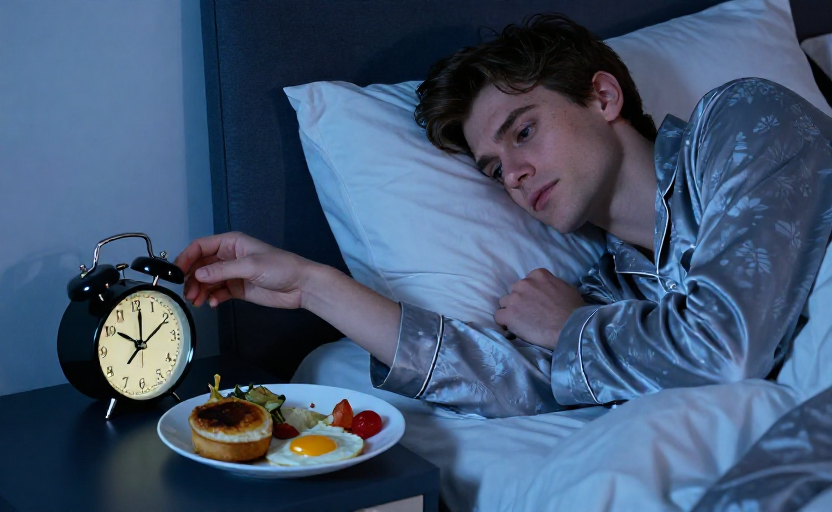
You know the feeling: you eat a late dinner, maybe around nine or ten at night, and then lie down an hour or two later. Your stomach is still working, your body temperature is slightly elevated, and sleep feels elusive. Health and wellness advice often focuses on what we eat, but sleep experts are increasingly concerned about when we eat—specifically, how a late dinner can disrupt the quality and rhythm of rest.
Circadian biology isn’t just about light and darkness. Your digestive system follows its own internal clock, and eating close to bedtime sends mixed signals to the body. This article distills the key findings and expert perspectives on why meal timing matters for sleep, what happens physiologically when you eat too late, and practical adjustments you can make to protect your rest.
Why Does a Late Dinner Affect Sleep Quality?
Your body’s internal clock, or circadian rhythm, prepares your digestive system to work efficiently during daylight hours. Digestive enzymes, stomach acid secretion, and gut motility all follow a daily cycle. Eating dinner late—especially within two to three hours of bedtime—means your body is trying to digest a meal at a time when it’s naturally winding down.
This mismatch can lead to discomfort, acid reflux, and a subtle increase in core body temperature, all of which interfere with falling asleep and staying in deep sleep stages. A 2023 study in Current Biology found that participants who ate dinner four hours before bed experienced more slow-wave (deep) sleep than those who ate just an hour before bed.
Key point: Late eating doesn’t just risk indigestion—it can actually reduce the amount of restorative deep sleep you get each night.
How a Late Dinner Disrupts Your Sleep Architecture
Sleep isn’t one uniform state. It cycles through lighter stages, deep slow-wave sleep, and REM (rapid eye movement) sleep. Deep sleep is when the body repairs tissue, strengthens the immune system, and consolidates memories. Eating late appears to compromise this stage most significantly.
According to sleep researcher Dr. Marie-Pierre St-Onge from Columbia University, the body’s metabolic response to late meals can raise blood sugar and insulin levels during the night. This metabolic activation signals the brain to stay somewhat alert, making it harder to enter and maintain the deepest phases of sleep. Even if you don’t wake up fully, your sleep may be lighter and less restorative.
Acid Reflux and Nighttime Discomfort
When you lie down after a full stomach, gravity no longer helps keep stomach acid where it belongs. For anyone prone to acid reflux or GERD, a late dinner is a direct trigger. The burning sensation and coughing can wake you repeatedly, even if you don’t fully remember the episodes in the morning. Over time, this pattern contributes to chronic fatigue.
Temperature and Metabolism
The process of digesting food generates heat—what scientists call the thermic effect of food. A late meal can raise your core body temperature at a time when it should be dropping to prepare for sleep. Since a cooler core temperature is a biological signal for sleep onset, anything that heats you up can delay or fragment sleep.
What Sleep Experts Actually Recommend
The consensus among sleep specialists is straightforward: aim to finish your last substantial meal at least two to three hours before your head hits the pillow. That’s the general guideline, but individual factors matter. Some people are more sensitive to late meals than others, and the composition of the meal itself plays a role.
Large meals, heavy in fat or protein, take longer to empty from the stomach and are more likely to interfere with sleep than a small, light snack. A banana, a handful of almonds, or a glass of warm milk an hour before bed is less problematic than a full plate of pasta or a greasy burger.
Some sleep experts also point to the effect of certain foods on neurotransmitters. For example, tryptophan-rich foods (like turkey or dairy) can promote sleepiness, while spicy or acidic foods can trigger reflux. But the timing factor is consistently shown to be more important than the specific food choice for most people.
Practical tip: Set a “kitchen closed” time. Pick a time two to three hours before your usual bedtime, and stop eating after that. Stick with water or herbal tea until morning.
Does the Type of Meal Matter as Much as the Timing?
While timing is the primary focus, the macronutrient balance of your last meal also affects sleep. A 2020 review in Nutrients suggested that high-carbohydrate meals eaten late may reduce sleep latency (the time it takes to fall asleep), but they can also increase nighttime awakenings. High-fat meals, especially if large, are linked to more disturbed sleep overall.
The most sleep-friendly evening meal is moderate in size and balanced in protein, healthy fats, and complex carbohydrates. Think grilled fish with roasted vegetables, a quinoa bowl with chicken, or a vegetable stir-fry with tofu. Avoid large portions, excess sugar, and heavily processed foods in the hours before bed.
Hormonal Signals: Ghrelin, Leptin, and Cortisol
Late eating doesn’t just affect sleep on the same night. Over time, it can shift your body’s hunger and stress hormones. When you eat close to bedtime, ghrelin (the hunger hormone) may stay elevated overnight, making you more likely to wake hungry. Leptin, which signals fullness, can become less effective with disrupted sleep.
Chronic late eating has also been linked to higher evening cortisol levels, which fuels alertness and makes it harder to wind down. This creates a cycle: poor sleep leads to more late-night snacking, which fuels even poorer sleep.
What About Shift Work or Unavoidable Late Meals?
Not everyone has the luxury of an early dinner. Shift workers, parents of young children, and people with demanding evening jobs often eat late out of necessity. In these cases, sleep experts suggest focusing on what you can control:
- Choose smaller, lighter meals for late eating.
- Avoid spicy, acidic, or very fatty foods close to bed.
- Create a buffer of at least 60–90 minutes between eating and lying down.
- Use a cooling-down period (like a warm bath or light stretching) before bed to help lower core temperature.
If you can’t avoid a late dinner, try to make it a consistent routine rather than a random occurrence. A regular eating schedule, even if late, can help your internal clock adapt—to a point. But for most people, the earlier the meal, the better the sleep.
This article is for general educational purposes only and does not constitute medical advice. Individual sleep needs and digestive sensitivities vary. If you have chronic sleep issues or a medical condition, talk to a healthcare provider or a board-certified sleep specialist.