
In the rush of deadlines, family responsibilities, and daily obligations, it’s easy to let your own health checks slip to the bottom of the list. You feel fine, after all. But preventive health isn’t about fixing what’s broken; it’s about maintaining what works and catching potential issues early, when they’re most manageable. Official guidelines exist not to add another task to your calendar, but to provide a clear, evidence-based roadmap for staying well amidst the busyness.
Think of these screenings as the scheduled maintenance for your most valuable asset. We’ll walk through what major health authorities generally recommend for adults, why these specific checks matter, and how you can realistically integrate them into a packed schedule without feeling overwhelmed.
Why Routine Screenings Matter, Even When You Feel Fine
Many serious health conditions, like high blood pressure, high cholesterol, and certain cancers, develop silently. You may not notice any symptoms until the condition is advanced. Routine screenings are designed to detect these issues in their earliest, most treatable stages. They provide a snapshot of your health that goes beyond how you feel on a given day.
The goal isn't to find problems—it's to gain peace of mind and a clear picture of your health baseline.
For busy adults, this proactive approach is especially powerful. It shifts your health management from a reactive “fix-it” mode to a strategic, preventive one. Investing a small amount of time in scheduled checks can prevent significant time lost to illness down the road.
Core Screening Guidelines by Age and Life Stage
Recommendations can vary slightly between organizations like the U.S. Preventive Services Task Force (USPSTF) and others, but they share common goals. Your personal schedule should always be developed in partnership with your doctor, considering your unique health history and risk factors.
In Your 20s and 30s: Building a Foundation
This is the time to establish your health baselines. Key screenings often include:
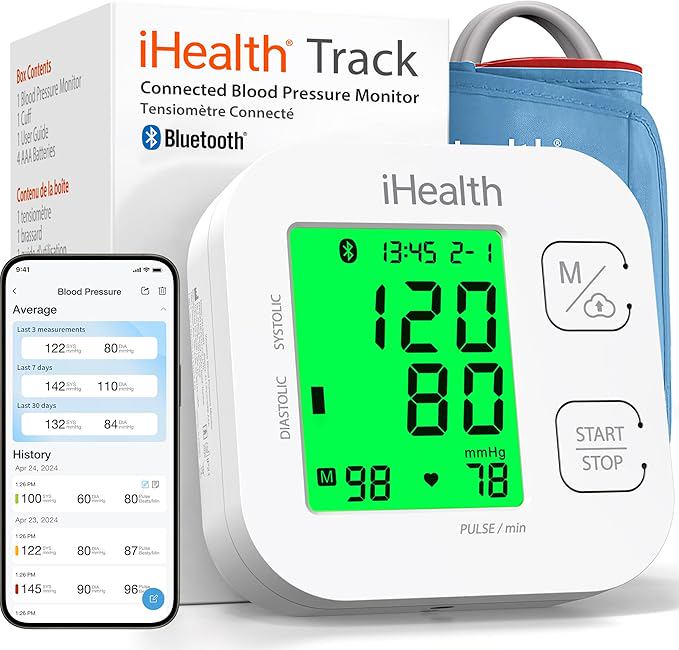
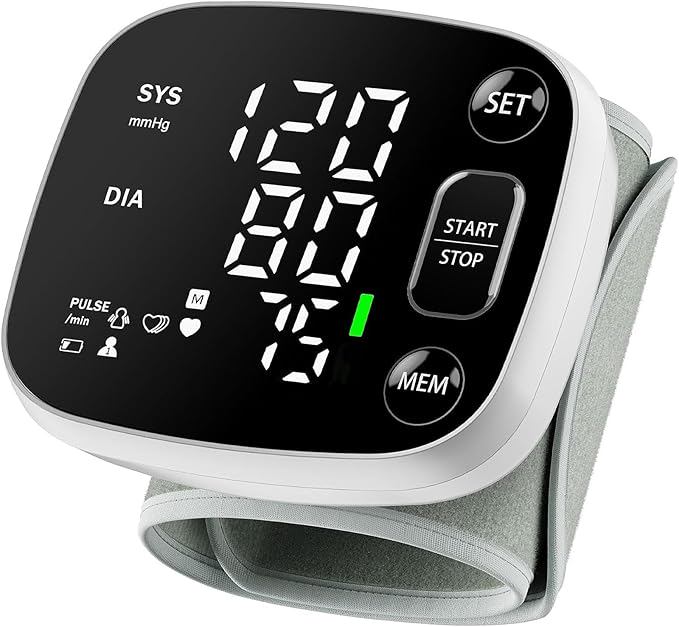
- Blood Pressure: Checked at least every two years if normal, more often if elevated.
- Cholesterol: A baseline check is often recommended in your 20s, with follow-up based on results.
- Cervical Cancer (for individuals with a cervix): Pap smears typically begin at age 21.
- Skin Check: Being aware of your own skin and mentioning any changing moles to a doctor during physicals.
This decade is also crucial for discussing family health history with your provider, as it can influence future screening plans.
In Your 40s and 50s: Key Preventive Shifts
Guidelines introduce several important screenings during these decades.
- Colorectal Cancer: Screening generally begins at age 45 for average-risk adults, with options ranging from stool-based tests to colonoscopies.
- Breast Cancer: Mammogram screening discussions typically start at age 40 or 50, depending on the guideline and personal risk.
- Diabetes (Type 2): Screening for adults aged 35 to 70 who are overweight or obese.
- Prostate Cancer (for individuals with a prostate): A shared decision-making conversation with a doctor about screening is recommended starting at age 50, or earlier for those at higher risk.
In Your 60s and Beyond: Continued Vigilance
Established screenings continue, and others may be added.
- Bone Density: Screening for osteoporosis is recommended for women at age 65 and men at age 70, or earlier based on risk factors.
- Abdominal Aortic Aneurysm: A one-time ultrasound screening for men aged 65-75 who have ever smoked.
- Lung Cancer: Annual screening with a low-dose CT scan for adults aged 50-80 with a significant smoking history.
Making Screenings Manageable for a Busy Life
Knowing the guidelines is one thing; fitting them into your life is another. The key is to systematize and simplify.
Schedule Your “Health Day”: Block out one morning or afternoon a year as your non-negotiable health maintenance time. Use it for your annual physical and any screenings that can be done then. Treat it like a critical business meeting.
Leverage Technology: Use your phone’s calendar with annual reminders. Some healthcare systems offer patient portals where you can schedule appointments and view your preventive care dashboard online.
Combine Appointments: When possible, schedule your blood draw or other tests for the same day as your doctor’s visit. It saves you an extra trip.
Communicate Openly: Tell your doctor you’re busy. They can help you prioritize and may know which tests offer the most flexibility in scheduling or which can be done with at-home kits.
What to Do With Your Results
A screening is only the first step. Follow-up is essential.
If results are normal, file them away and celebrate the proactive step you’ve taken. This establishes your personal baseline for future comparison.
An abnormal result is not a diagnosis—it's a signal for the next, more specific step in evaluation.
If a result is abnormal or unclear, don’t panic. It simply means more information is needed. Work with your doctor to understand what the result means and what the appropriate next steps are, which may include repeat testing, more specialized diagnostics, or a consultation with a specialist.
The Bottom Line on Prevention
Routine health screenings are a cornerstone of self-care for the long haul. They empower you with knowledge and create a partnership with your healthcare provider focused on preservation, not just intervention. By aligning with established guidelines and creating a simple personal system, you can navigate preventive care with confidence, ensuring your health gets the scheduled attention it deserves, no matter how full your calendar gets.