We often think of food as fuel for our bodies, but what we drink can be just as powerful for our minds. The right beverages can act as gentle signals to our nervous system, helping to ease the transition from a busy day into a restful night. Instead of reaching for a nightcap or a third cup of coffee, consider what’s in your glass as a form of liquid nourishment for your mental state.
Nutritionists point to specific drinks that contain compounds naturally supportive of relaxation and sleep. These aren’t magic potions, but rather, thoughtful choices that can complement other healthy sleep habits. Let’s explore what makes these drinks so helpful and how to incorporate them into your evening routine.
Why what you drink affects your mind and sleep
Your evening beverage choice interacts with your biology in a few key ways. Some drinks contain amino acids and minerals that are direct precursors to calming neurotransmitters like serotonin and melatonin. Others work by promoting hydration, which is crucial for every cellular process, including those that regulate mood and circadian rhythms. Then there are the warm, caffeine-free options that serve as a ritual—a physical cue to your body that it’s time to wind down.
The goal isn’t to sedate yourself, but to gently support your body’s own natural processes for relaxation.
It’s also about what you avoid. Drinks high in caffeine or sugar, especially later in the day, can stimulate your nervous system or lead to blood sugar fluctuations that disrupt sleep quality. Swapping one of those for a calming alternative can make a noticeable difference in how settled you feel.
Top choices for a calmer evening
These are the categories that consistently come up in conversations with nutrition professionals for their evidence-based, gentle properties.
Tart cherry juice
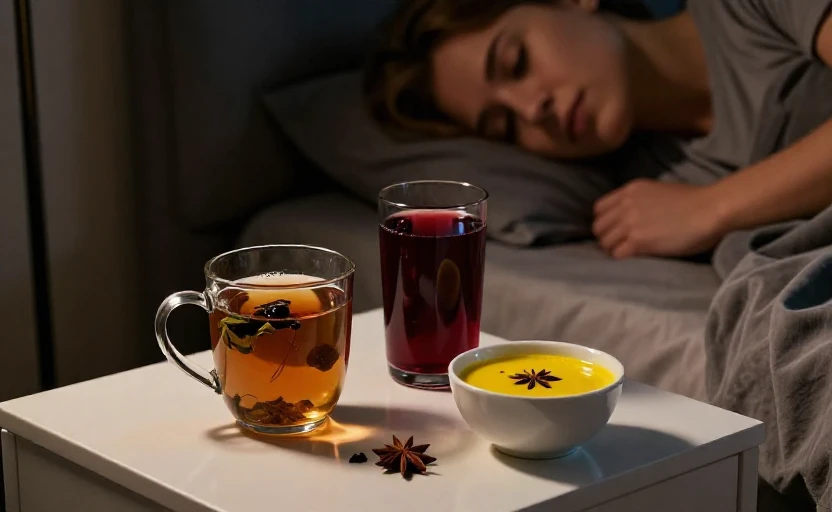
This deep red juice is a standout for sleep. Tart cherries are one of the few natural food sources of melatonin, the hormone that regulates your sleep-wake cycle. Studies have suggested that drinking tart cherry juice concentrate can increase melatonin levels and improve both sleep duration and quality. It’s also rich in anti-inflammatory compounds. A small glass about an hour before bed is the typical suggestion.
Herbal teas
This is a broad and beloved category. The act of brewing a warm cup is soothing in itself. Specific herbs have long traditions of use for relaxation:
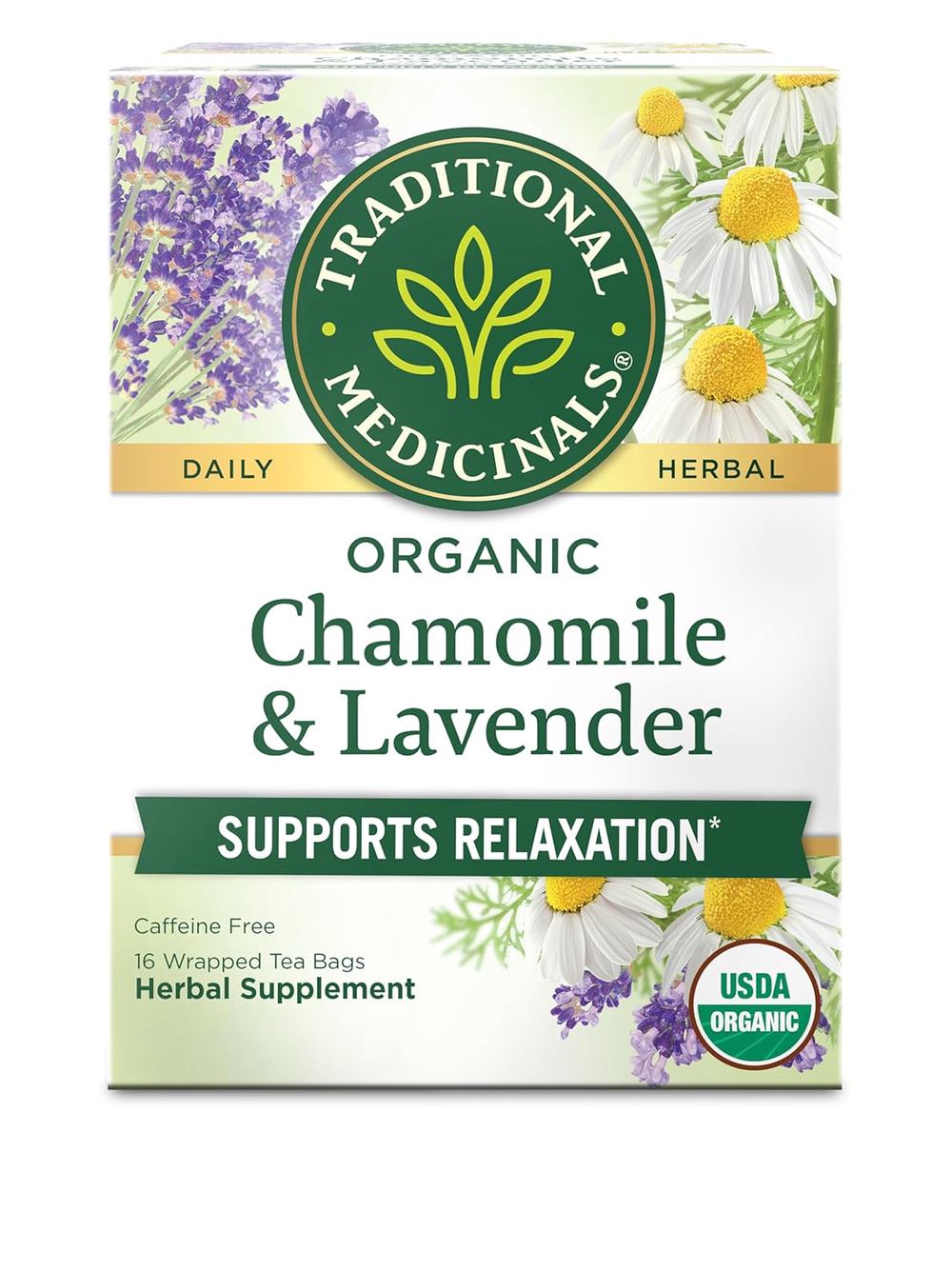
- Chamomile: Perhaps the most famous sleep tea, chamomile contains apigenin, an antioxidant that binds to certain receptors in your brain that may promote sleepiness and reduce anxiety.
- Valerian root: Often called “nature’s Valium,” this herb has a strong earthy scent and is frequently used in research on sleep. It’s thought to increase levels of a neurotransmitter called GABA, which has a calming effect.
- Lavender: Known for its serene aroma, lavender tea can have a mild sedative effect, helping to quiet a racing mind.
- Lemon balm: A member of the mint family, lemon balm is often paired with other calming herbs for its gentle anxiety-reducing properties.
Warm milk and golden milk
The old remedy of warm milk has some science behind it. Milk contains tryptophan, an amino acid used to produce serotonin and melatonin. The warmth itself is comforting. A more modern, spiced version is golden milk—warm milk (dairy or plant-based) infused with turmeric, ginger, cinnamon, and a dash of black pepper. Turmeric contains curcumin, which has anti-inflammatory properties, and the overall blend is deeply soothing.
Magnesium-rich drinks
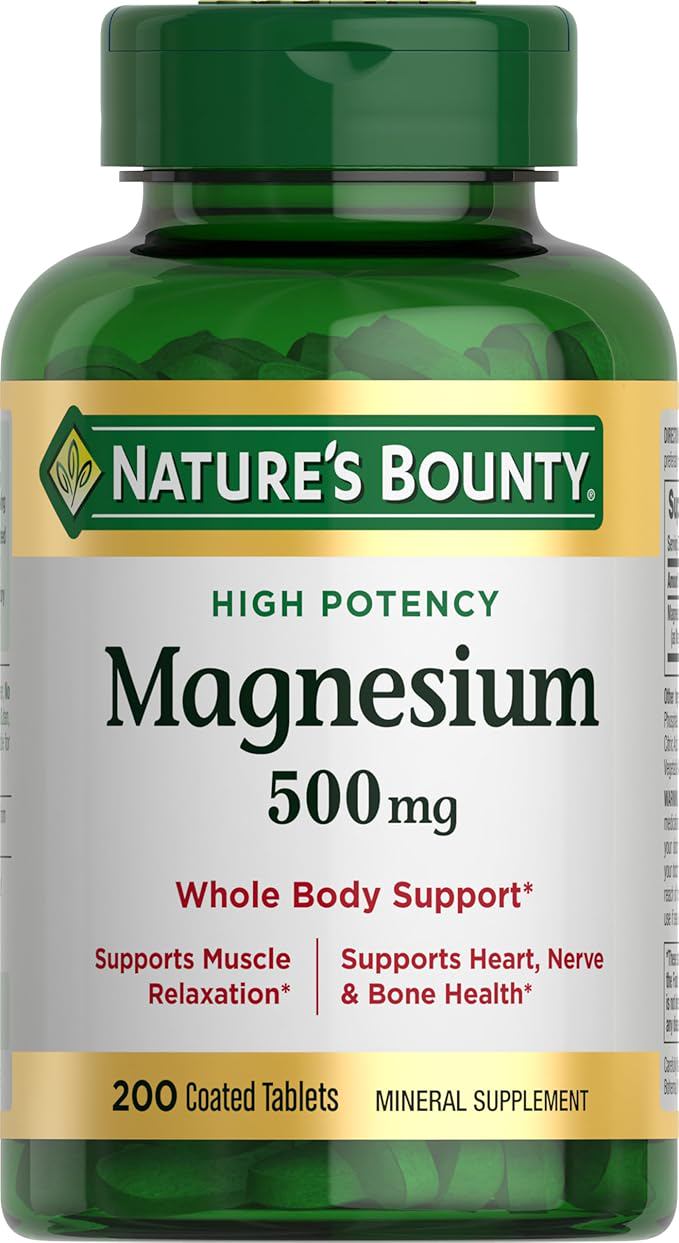
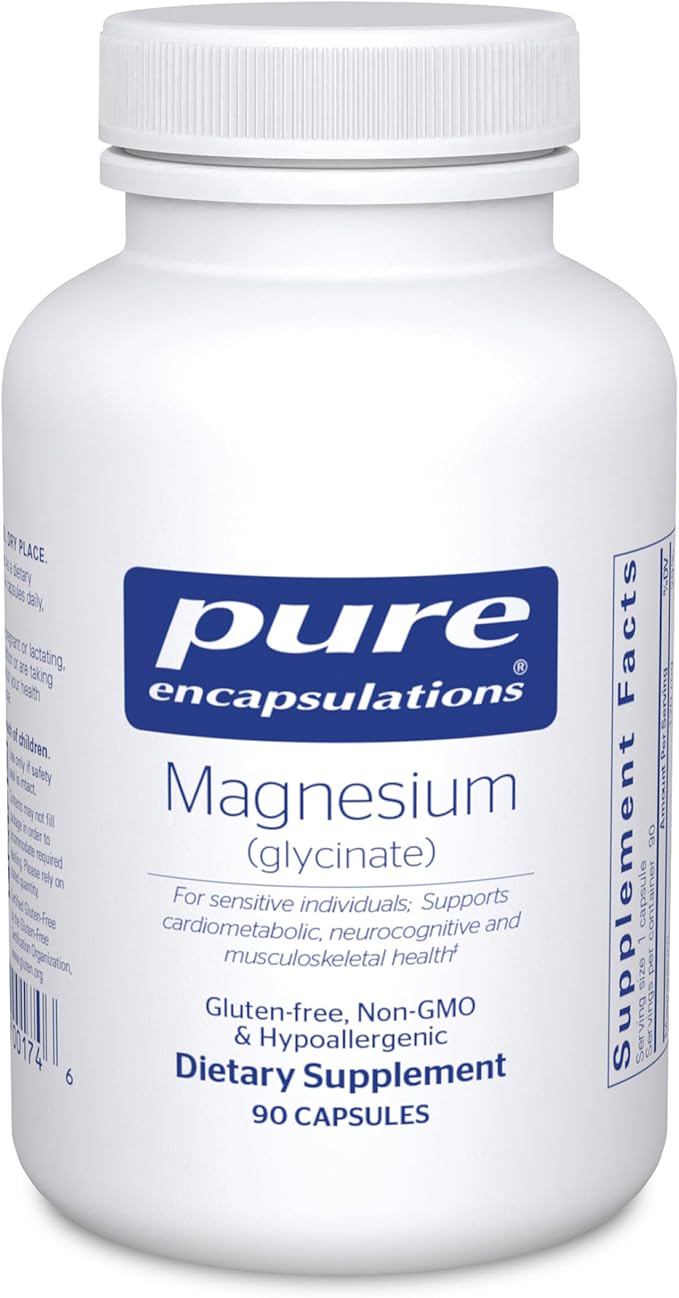
Magnesium is a mineral essential for muscle relaxation and nervous system regulation. Many people don’t get enough from their diet. You can find it in certain mineral waters (check the label). Another option is to stir a magnesium powder supplement (like magnesium glycinate or citrate) into a glass of water for a calming evening drink. Always check with a healthcare provider before starting a new supplement.
What to limit or avoid as bedtime nears
Being mindful of timing is just as important as your choice of drink. To protect your sleep window, nutritionists generally suggest tapering off caffeine by mid-afternoon, as its effects can linger for hours. Be cautious with alcohol; while it might make you feel sleepy initially, it significantly disrupts sleep architecture later in the night, leading to less restorative sleep. Very sugary drinks can also cause energy spikes and crashes that interfere with falling and staying asleep.
How to build your calming ritual
Making a calming drink part of your routine is about more than consumption. It’s about creating a buffer zone between the stress of the day and the peace of night. Try setting aside 30 to 60 minutes before your target bedtime. Prepare your drink mindfully, perhaps away from bright screens. Sip it slowly in a comfortable spot. This practice pairs beautifully with other wind-down activities like light reading, gentle stretching, or jotting down thoughts in a journal.
Listen to your body. One person might thrive on tart cherry juice, while another finds the most comfort in a cup of chamomile. The best drink is the one that helps you feel consistently more relaxed and ready for restful sleep.