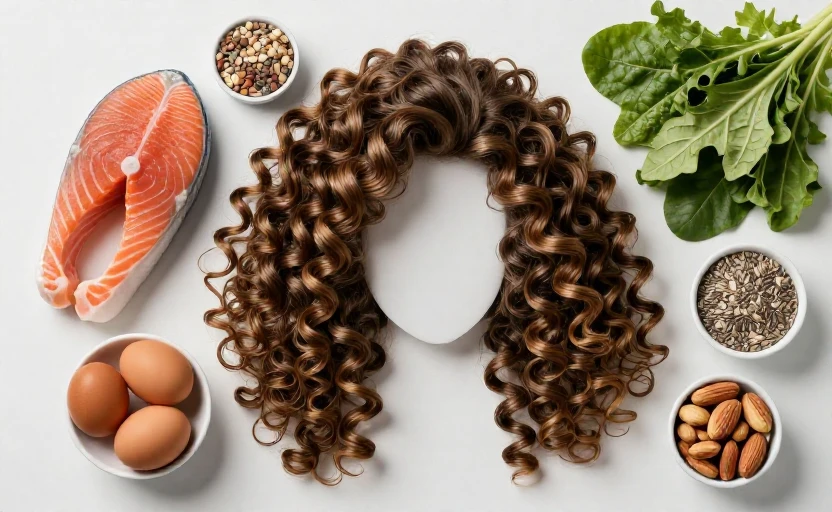
Curly hair has a unique structure that makes it both beautiful and vulnerable. The twists and turns of each strand mean that natural scalp oils have a harder time traveling down the hair shaft, often leaving the ends dry and prone to splitting. While the right topical products are essential, the foundation for strong, resilient curls is built from within. What you eat directly fuels the health of your hair follicles and the keratin they produce.
Nutritionists emphasize that no single "superfood" can magically fix split ends or weak hair. Instead, a consistent pattern of eating nutrient-dense foods provides the raw materials your body needs to build stronger hair from the root up. It’s about creating an internal environment where your curls can thrive.
What nutrients do curly hair strands need most?
Think of your hair as a complex structure made primarily of the protein keratin. To build it strong and keep it flexible, your body requires a steady supply of specific vitamins, minerals, and healthy fats. For curly hair, which is naturally drier and more fragile, these nutrients are non-negotiable for preventing breakage and splits.
Protein is the fundamental building block. A lack of adequate protein can lead to weak, brittle hair that splits easily. Omega-3 fatty acids are crucial for hydrating the hair shaft and scalp from the inside out, adding the pliability that prevents snaps. Biotin and other B-vitamins support keratin infrastructure and healthy cell growth. Iron helps red blood cells carry oxygen to follicles, while zinc aids in tissue repair and growth. Antioxidants like vitamins C and E protect hair follicles from damage caused by free radicals, which can weaken hair over time.
The goal isn't a short-term diet change, but a sustainable eating style that consistently delivers these key nutrients.
Foods to focus on for stronger curls
Incorporating these foods into your regular meals can make a tangible difference in your hair's strength and elasticity over several months, which is the typical growth cycle.
For protein and iron
Lean animal proteins like chicken, turkey, eggs, and fish provide complete proteins and highly absorbable iron. For plant-based sources, focus on lentils, chickpeas, black beans, tofu, and quinoa. Pairing plant-based iron sources with a vitamin C-rich food (like bell peppers or citrus) significantly boosts absorption.
For omega-3 fatty acids
Fatty fish such as salmon, mackerel, and sardines are excellent sources. Walnuts, flaxseeds, chia seeds, and hemp seeds are powerful plant-based options. Try sprinkling ground flaxseed on oatmeal or adding a handful of walnuts to a salad.
For zinc and antioxidants
Pumpkin seeds are a standout here, offering both zinc and hair-healthy fats. Other good sources include cashews, chickpeas, and lentils. Colorful vegetables and fruits—spinach, berries, sweet potatoes, and bell peppers—deliver a spectrum of protective antioxidants and vitamins.
How does hydration affect curly hair?
Water is the most overlooked nutrient for hair health. Dehydration shows up quickly in curls, making them appear dull, lifeless, and more brittle. Well-hydrated hair is more elastic and less likely to split under tension from brushing or styling.
Nutritionists often highlight that thirst is a late sign of dehydration. Aim to drink water consistently throughout the day. Herbal teas and water-rich foods like cucumber, watermelon, and celery also contribute to your overall fluid intake, helping to maintain the moisture balance within each hair strand.
Putting it all together on your plate
You don’t need exotic ingredients or complicated recipes. Strength-building nutrition for curls is about simple, balanced combinations.
- A nourishing breakfast: Greek yogurt topped with berries, walnuts, and a drizzle of honey. The yogurt provides protein and biotin, the berries offer antioxidants, and the walnuts add omega-3s.
- A strengthening lunch: A large salad with mixed greens, grilled chicken or chickpeas, avocado, pumpkin seeds, and a lemon-tahini dressing. This combines protein, healthy fats, zinc, and vitamin C.
- A simple snack: Apple slices with almond butter, or a hard-boiled egg with a handful of cherry tomatoes.
Consistency is key. The hair you see today began growing months ago, so the benefits of today’s nutritious meal will manifest in your new growth over time.
What to be mindful of
While adding beneficial foods is the priority, it’s also wise to be aware of dietary patterns that may undermine hair strength. Extreme calorie restriction or very low-protein diets can shock the hair growth cycle, potentially leading to increased shedding. High sugar intake may promote inflammation, which can negatively affect follicle health.
If you suspect a significant nutrient deficiency is contributing to hair issues, such as persistent thinning or extreme brittleness, a conversation with a doctor or registered dietitian is the best step. They can help identify any specific gaps and create a tailored plan.
Ultimately, feeding your curls is a long-term act of care. By choosing foods rich in protein, healthy fats, and key vitamins and minerals, you’re providing the essential support for hair that’s not just surviving, but thriving—with fewer splits and more resilient, defined curls.