In the constant hum of modern life, supporting your body’s natural defenses and managing stress aren’t separate tasks—they’re deeply connected. The foods you choose each day can act as foundational tools for both, helping to modulate your stress response while providing the raw materials your immune system needs to function well. It’s less about finding a magic bullet and more about building a consistent, nutrient-rich pattern of eating that fortifies you from the inside out.
Think of it as daily nourishment for resilience. The goal isn’t to eat perfectly, but to make choices that collectively create an internal environment where both your mind and your immune cells can thrive.
How are stress and immunity linked?
When you experience stress, your body releases hormones like cortisol. In short bursts, this is a normal and helpful survival mechanism. However, chronic, elevated stress can keep cortisol levels high for extended periods. This prolonged state can suppress certain immune functions, making you more susceptible to everyday bugs and potentially slowing recovery. Nutrition plays a key role in managing this cycle by providing compounds that help regulate the stress response and directly support immune cell production and activity.
Your plate is a powerful lever for influencing both your stress chemistry and your immune readiness.
Key nutrients for dual support
Certain nutrients stand out for their roles in this interconnected system. Focusing on foods rich in these can help you address both needs simultaneously.
Vitamin C is crucial for the growth and function of immune cells and also acts as a potent antioxidant, helping to protect cells from the oxidative damage that can accompany stress. While citrus fruits are famous for it, don’t overlook bell peppers, broccoli, strawberries, and kiwi.
Zinc is a mineral essential for immune cell development and communication. It also helps regulate the body’s response to stress. You’ll find it in shellfish, legumes, seeds, nuts, and whole grains.
B Vitamins, particularly B6, B9 (folate), and B12, are vital for producing energy and neurotransmitters that regulate mood. They’re also involved in creating new immune cells. Look for them in leafy greens, eggs, poultry, salmon, and chickpeas.
Omega-3 Fatty Acids, found in fatty fish, flaxseeds, and walnuts, are known for their anti-inflammatory properties. Chronic inflammation can be a side effect of long-term stress and can hamper immune function, making these fats doubly important.
Magnesium is a mineral that supports hundreds of biochemical reactions, including those involved in the stress response and nerve function. It’s found in spinach, almonds, black beans, and avocados.
Building a supportive plate
Instead of fixating on individual “superfoods,” aim for a colorful, varied diet. A simple framework can guide your meals:
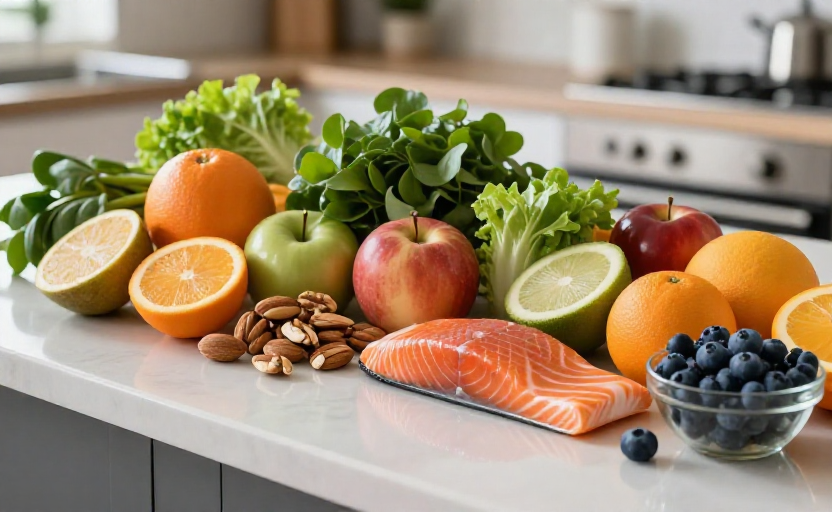
- Fill half your plate with vegetables and fruits in a variety of colors. This ensures a broad intake of vitamins, minerals, and antioxidants.
- Include a quality source of protein with each meal, such as fish, poultry, lentils, tofu, or Greek yogurt. Protein provides the amino acids needed to build immune cells and stress-regulating neurotransmitters.
- Incorporate healthy fats from sources like olive oil, avocados, nuts, and seeds. These fats are building blocks for cells and help absorb fat-soluble vitamins.
- Choose fiber-rich carbohydrates like oats, quinoa, sweet potatoes, and whole-grain bread. Fiber supports a healthy gut microbiome, which is now understood to have a significant influence on immune health and even mood regulation.
Foods and habits to be mindful of
Just as some foods support you, others can undermine your efforts. Highly processed foods, excessive added sugars, and large amounts of caffeine or alcohol can promote inflammation and may exacerbate the body’s stress response. This doesn’t mean you can never enjoy them, but being mindful of their place in your overall pattern is helpful.
Beyond the plate, remember that how you eat matters. Eating in a rushed state can itself be a stressor. When possible, take a few deep breaths before a meal, eat slowly, and try to avoid screens. This practice of mindful eating can improve digestion and help signal to your nervous system that it’s safe to rest.
Ultimately, eating for immune and stress support is an act of steady, compassionate maintenance. It’s about consistently choosing foods that nourish and calm your body, building a foundation of resilience that helps you meet each day with greater balance.