
You’ve likely heard the term “insulin resistance” in discussions about diabetes, metabolism, or weight. It sounds technical, maybe a bit intimidating, but it describes a fundamental process happening in your body that affects your energy, your health, and your long-term well-being. At its heart, it’s about communication—a vital hormone’s message isn’t getting through clearly to your cells.
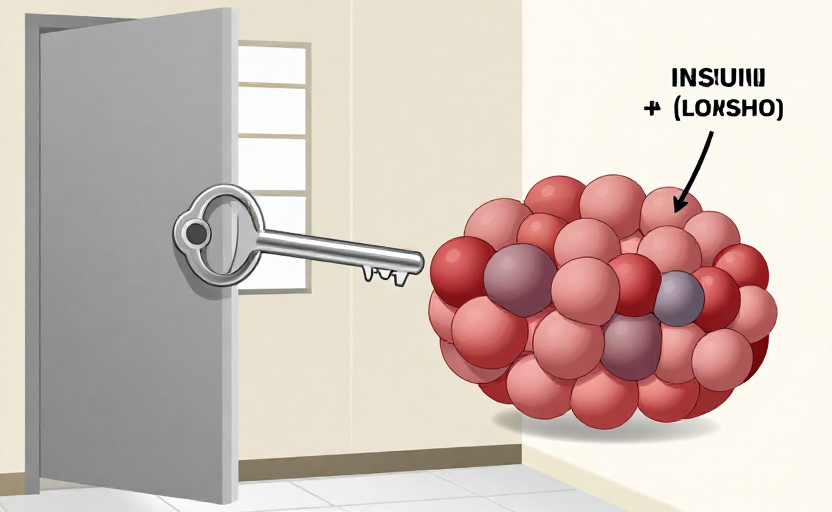
Think of insulin as a key, and your body’s cells as locked doors that need to open to let glucose (sugar) in for energy. Insulin resistance is what happens when those locks get a bit rusty or gummed up. The key still fits, but it takes more jiggling, more effort, and more keys to get the door open. Your pancreas, the organ that makes insulin, has to work overtime, producing more and more of it to force glucose into your cells. This strained system can quietly run in the background for years before any obvious signs appear, which is why understanding it is so crucial for proactive health.
What Exactly Is Happening in Your Body?
Insulin is a master regulator hormone secreted by your pancreas. After you eat, carbohydrates break down into glucose, which enters your bloodstream. In response, your pancreas releases insulin, which signals to cells—especially in your muscles, liver, and fat tissue—to absorb that glucose and use it for fuel or store it for later.
With insulin resistance, cells in these tissues stop responding efficiently to that signal. They’ve become “resistant” to insulin’s knock. As a result, glucose piles up in the blood. Your pancreas, sensing high blood sugar, pumps out even more insulin to try to overcome the resistance. This leads to a state of hyperinsulinemia—chronically high levels of insulin in the blood—which is the hallmark of the condition.
It’s a cycle: resistance leads to higher insulin, and high insulin can, over time, worsen the resistance.
For a while, this extra effort can keep blood sugar levels within a normal range. But it’s a precarious balance. Eventually, the overworked pancreas may start to fail, unable to secrete enough insulin to overcome the resistance. When blood glucose levels then rise persistently, it crosses the threshold into prediabetes and, later, type 2 diabetes.
The Underlying Causes: A Complex Web
Pinpointing a single cause for insulin resistance is rarely possible. It’s typically the result of an interplay between genetic predisposition and lifestyle factors. Some people are simply more genetically prone to it. However, modifiable factors play a massive role in whether that predisposition becomes a reality.
Excess body fat, particularly visceral fat stored deep in the abdomen around organs, is a primary driver. This type of fat is metabolically active, releasing fatty acids and inflammatory substances that interfere with insulin’s signaling pathways. Physical inactivity compounds the problem, as muscle is a major site for glucose disposal. When muscles are unused, they become less sensitive to insulin.
Diet plays a central role, though it’s less about sugar alone and more about overall patterns. A diet consistently high in:
- Highly processed foods and refined carbohydrates (like white bread, pastries, sugary drinks)
- Saturated and trans fats
- Low in fiber, whole grains, and healthy fats
can promote inflammation and fat storage, setting the stage for resistance. Sleep deprivation and chronic stress are also significant contributors, as they raise levels of hormones like cortisol, which can increase blood sugar and promote insulin resistance.
Recognizing the Risks and Early Signs
Because insulin resistance often develops silently, knowing the risks and subtle signs is your first line of defense. Major risk factors include:
- Having a family history of type 2 diabetes or heart disease
- Carrying excess weight, especially around the waistline
- Being physically inactive
- Having a history of gestational diabetes
- Being over the age of 45
- Having polycystic ovary syndrome (PCOS)
- Experiencing sleep issues like sleep apnea
While there may be no overt symptoms initially, some people notice signs that are easy to dismiss. These can include persistent fatigue (since glucose isn’t efficiently entering cells for energy), increased hunger or cravings (driven by fluctuating blood sugar and high insulin), and difficulty losing weight. A skin condition called acanthosis nigricans—dark, velvety patches of skin, often on the back of the neck, armpits, or groin—can be a visible marker.
The Long-Term Health Implications
Left unaddressed, the cascade of insulin resistance and hyperinsulinemia doesn’t just affect blood sugar. It creates a metabolic environment that stresses multiple systems in the body.
The most direct progression is to prediabetes and type 2 diabetes, with all its associated complications like nerve damage, kidney disease, and vision problems. But the risks extend far beyond that. Insulin resistance is a core component of metabolic syndrome, a cluster of conditions that dramatically increase the risk of heart disease and stroke. These conditions include high blood pressure, abnormal cholesterol levels (high triglycerides, low HDL “good” cholesterol), and that excess abdominal fat.
Furthermore, high insulin levels can promote inflammation and affect other hormonal systems. They are linked to an increased risk of fatty liver disease, certain cancers, and may exacerbate conditions like PCOS, affecting fertility. It’s a systemic issue, underscoring why addressing it is about overall health, not just diabetes prevention.
A Path Forward: Lifestyle as Foundation
The most powerful news about insulin resistance is that it is often reversible, especially in its early stages. The same lifestyle factors that contribute to it are the levers you can pull to improve it. This isn’t about drastic, short-term diets, but sustainable shifts.
Regular physical activity is perhaps the most potent immediate tool. Muscle contraction itself helps pull glucose into cells independently of insulin. A mix of aerobic exercise (like brisk walking, cycling) and strength training builds muscle mass, which improves metabolic health long-term.
Nutritional changes focus on quality and balance. Emphasizing whole, fiber-rich foods—vegetables, fruits, legumes, whole grains—slows the absorption of sugar and improves insulin sensitivity. Including healthy fats from sources like nuts, seeds, and olive oil, and lean proteins helps with satiety and stable energy. The goal is to reduce the constant demand on your pancreas.
Small, consistent changes in how you eat, move, sleep, and manage stress are far more impactful than perfection.
Prioritizing quality sleep and developing stress-management techniques, whether through meditation, time in nature, or hobbies, are non-negotiable parts of the equation. They help normalize the cortisol rhythm and support overall metabolic balance.
If you have risk factors or concerns, a conversation with a healthcare provider is essential. They can assess your individual risk through simple blood tests, like fasting glucose and insulin, or an HbA1c test, and help you create a personalized plan. This information empowers you to make informed choices for your long-term vitality.