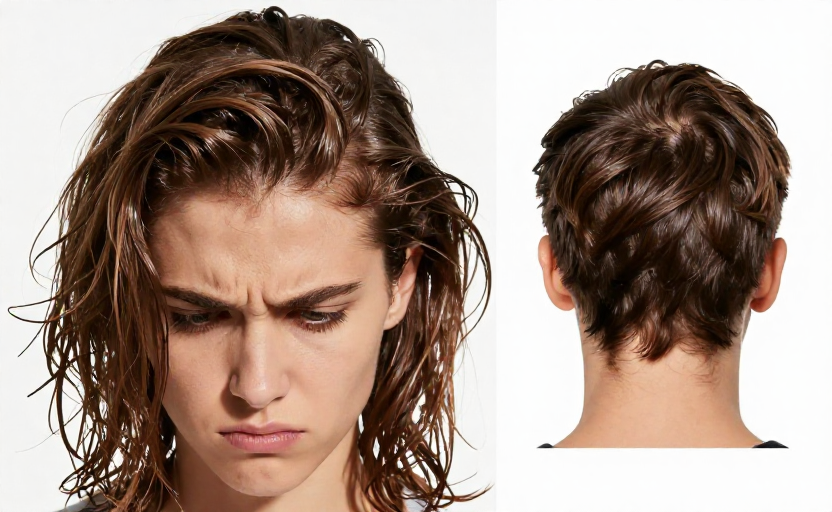
An oily scalp can feel like a constant battle. You wash your hair, and within hours, it feels heavy, limp, and greasy again. While it’s tempting to try every new product or scrub, sometimes the most effective strategy is to simplify and remove what’s causing the problem. The key to managing excess oil isn’t just about what you add to your routine, but what you consciously leave out.
Hair experts agree that many common habits and products can inadvertently stimulate more oil production, creating a frustrating cycle. By identifying and avoiding these triggers, you can help your scalp find a healthier, more balanced state.
Over-washing and harsh cleansers
It seems counterintuitive, but washing your hair too frequently is a primary culprit. When you strip your scalp of all its natural oils with aggressive daily washing, it can go into overdrive to compensate, producing even more sebum. Similarly, shampoos with harsh sulfates like sodium lauryl sulfate (SLS) create a deep, squeaky-clean feeling by removing all oil, which again signals your scalp to produce more.
Think of it as your scalp’s natural feedback loop: strip it bare, and it works harder to protect itself.
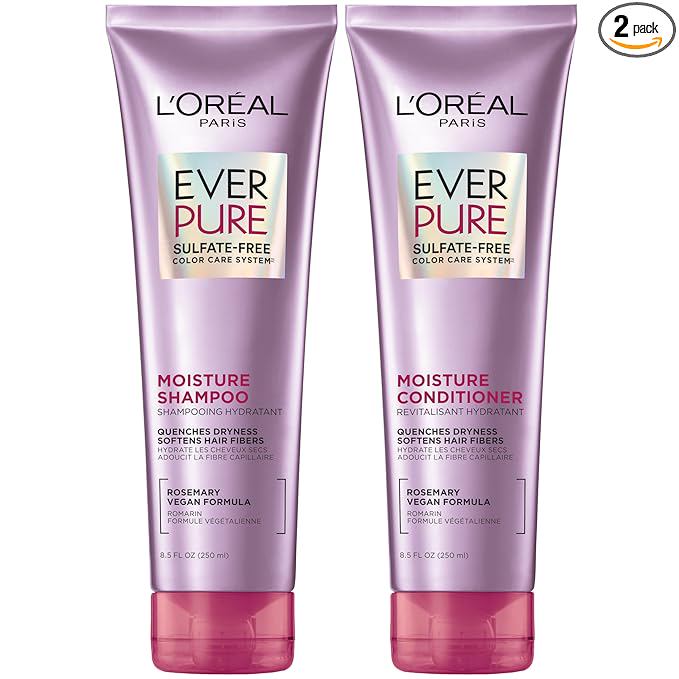
A gentler approach is more effective. Transition to a clarifying shampoo used only once a week to remove buildup, and rely on a mild, sulfate-free cleanser for other washes. Gradually extending the time between washes can help retrain your scalp’s oil production over time.
Heavy, occlusive hair products
Many conditioners, hair masks, and styling products are formulated with heavy oils and butters—like coconut oil, shea butter, or petroleum derivatives—that are wonderful for dry ends but can overwhelm an oily scalp. These ingredients sit on the scalp’s surface, trapping oil and dead skin cells, which leads to clogged follicles and a greasy, weighed-down feeling.
- Apply conditioner only from the mid-lengths to the ends of your hair, carefully avoiding the scalp area.
- Look for lightweight, water-based styling products labeled “non-comedogenic” or “scalp-friendly.”
- Be cautious with leave-in treatments and oils; if you use them, keep them far from your roots.
Incorrect water temperature and rough drying
Long, steamy showers feel great, but blistering hot water on your scalp is stressful. It can strip natural oils erratically and increase inflammation, potentially disrupting the scalp’s barrier and oil balance. After washing, aggressive towel-drying or vigorous scalp scrubbing with a towel can also irritate the skin.
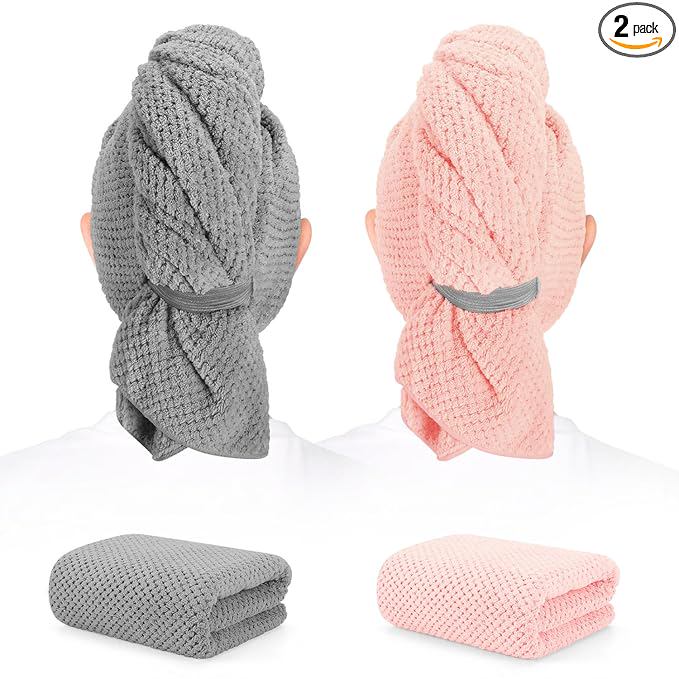
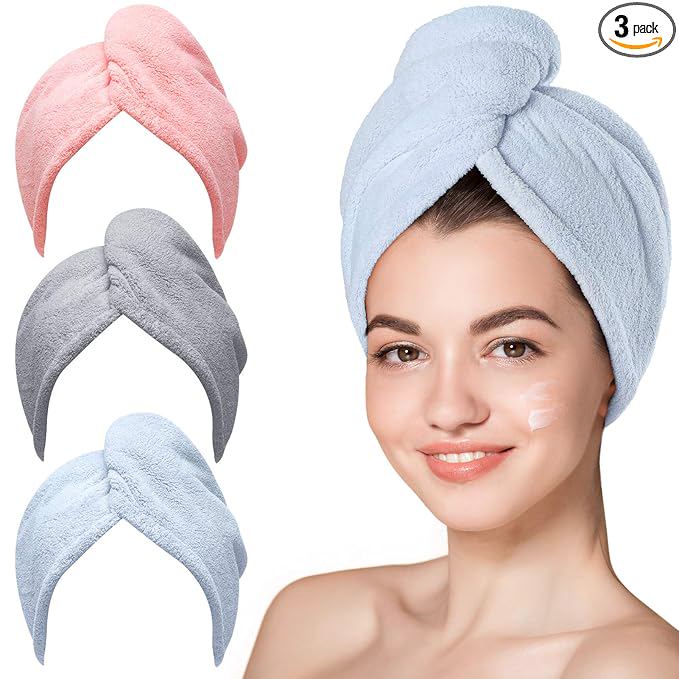
Opt for lukewarm water when rinsing your hair and finish with a cool rinse to help soothe the scalp and tighten the cuticles. When drying, gently blot your hair with a soft, microfiber towel instead of rubbing. This reduces friction and irritation.
Overuse of dry shampoo and styling buildup
Dry shampoo is a lifesaver for absorbing oil between washes, but it’s a temporary fix, not a cleanser. Relying on it day after day without proper washing allows product, oil, and dead skin to accumulate on the scalp. This buildup can clog hair follicles, potentially leading to irritation and even impeding healthy hair growth.
Use dry shampoo as a tactical tool, not a replacement for washing. Always follow with a thorough cleanse.
Make sure to use a clarifying shampoo regularly to dissolve this accumulation. A gentle scalp scrub used once a week can also help with exfoliation.
Poor dietary and lifestyle habits
While topical care is crucial, what happens internally reflects on your scalp. Diets high in refined sugars, fried foods, and dairy may influence inflammation and hormone fluctuations, which can exacerbate oil production. Chronic stress elevates cortisol levels, which in turn can stimulate the sebaceous glands to produce more oil.
Staying hydrated is surprisingly key. When you’re dehydrated, your body can overcompensate by producing more oil. Managing stress through simple practices like walking, meditation, or adequate sleep supports overall balance, including at the scalp level.
Choosing the wrong hair tools and accessories
Your brushes and hair accessories can contribute to oil distribution. A brush caked with old product and oil will simply redeposit it onto your clean scalp and hair. Similarly, tight hats or headbands that don’t breathe can trap sweat and oil against the scalp, creating a humid environment.
- Clean your hairbrushes and combs with warm soapy water at least once a month.
- Choose hats made from natural, breathable fibers like cotton or linen when possible.
- Avoid constantly touching or running your fingers through your hair, as this transfers oil from your hands.
Managing an oily scalp is often about recalibrating your routine rather than overhauling it. By avoiding these common triggers—over-washing, heavy products, heat, buildup, and internal stressors—you give your scalp the space to normalize. Consistency with a gentle, balanced approach is far more effective than a cycle of aggressive stripping and heavy product use. Pay attention to how your scalp responds; it will guide you toward the simple, sustainable balance it needs.