Stopping hormonal birth control is a major step, and for many women, the next question is when fertility will return. It is common to expect ovulation to resume immediately, but the reality is often more gradual. Fertility specialists emphasize that a delay in ovulation after stopping the pill, patch, ring, or IUD is normal, though the length of that delay depends on several individual factors.
The key point to understand is that hormonal contraception works by suppressing your natural menstrual cycle. When you stop taking it, your body needs time to restart its own hormone production. For some women, this happens within a few weeks. For others, it can take several months. Knowing what is typical—and what might signal an underlying issue—can help you set realistic expectations and decide when to check in with a healthcare provider.
Why ovulation can be delayed after stopping birth control
Birth control pills, especially combination pills containing estrogen and progestin, prevent ovulation by maintaining steady hormone levels. Once you stop taking them, the pituitary gland must begin releasing follicle-stimulating hormone (FSH) and luteinizing hormone (LH) again. This process can take time, particularly if you were on the pill for many years.
Progestin-only methods, such as the mini-pill, implant, or hormonal IUD, work differently. They thicken cervical mucus and thin the uterine lining, but they do not always suppress ovulation entirely. Still, after removal, it can take a few cycles for regular ovulation to establish itself. The injectable contraceptive (Depo-Provera) is known to cause the longest delay, with fertility sometimes taking up to ten months to return after the last shot.
“It is not uncommon for the first few cycles off birth control to be anovulatory or to have a longer follicular phase. The body is essentially rebooting its hormonal rhythm.” — Dr. Meera Shah, reproductive endocrinologist
How long is “normal” for ovulation to return?
Research suggests that most women ovulate within the first three months after stopping hormonal contraception. A 2018 study in the journal Contraception found that about 50% of women ovulated within the first 30 days after stopping the pill, and nearly all had ovulated by 90 days. For those using the hormonal IUD, ovulation typically resumes within the first month after removal.
However, “normal” varies. Women who had irregular cycles before starting birth control may experience similar irregularities when they stop. Conditions like polycystic ovary syndrome (PCOS) or thyroid disorders can also prolong the return to regular ovulation. If your periods do not return within three months after stopping hormonal birth control, the American College of Obstetricians and Gynecologists recommends a medical evaluation.
Factors that influence how quickly ovulation returns
- Type of contraceptive: Combined pills allow faster recovery than the injectable or implant.
- Duration of use: Long-term use may be associated with a slightly longer adjustment period, though current evidence does not show a strong correlation.
- Pre-existing cycle regularity: If your cycles were unpredictable before the pill, they are likely to be unpredictable afterward.
- Age: Women over 35 may experience a more gradual return to regular ovulation, partly due to diminishing ovarian reserve.
- Body weight and metabolic health: Significant underweight or obesity can affect hypothalamic function and delay ovulation.
Signs that ovulation has resumed
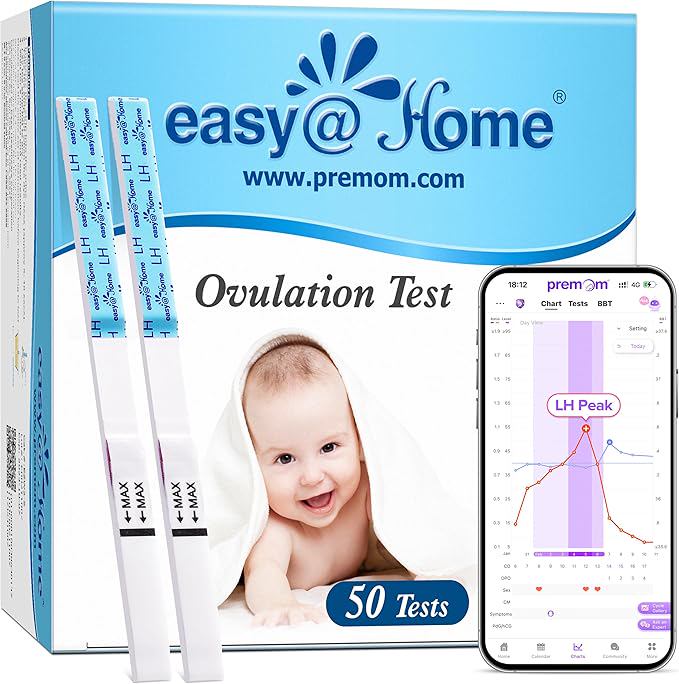
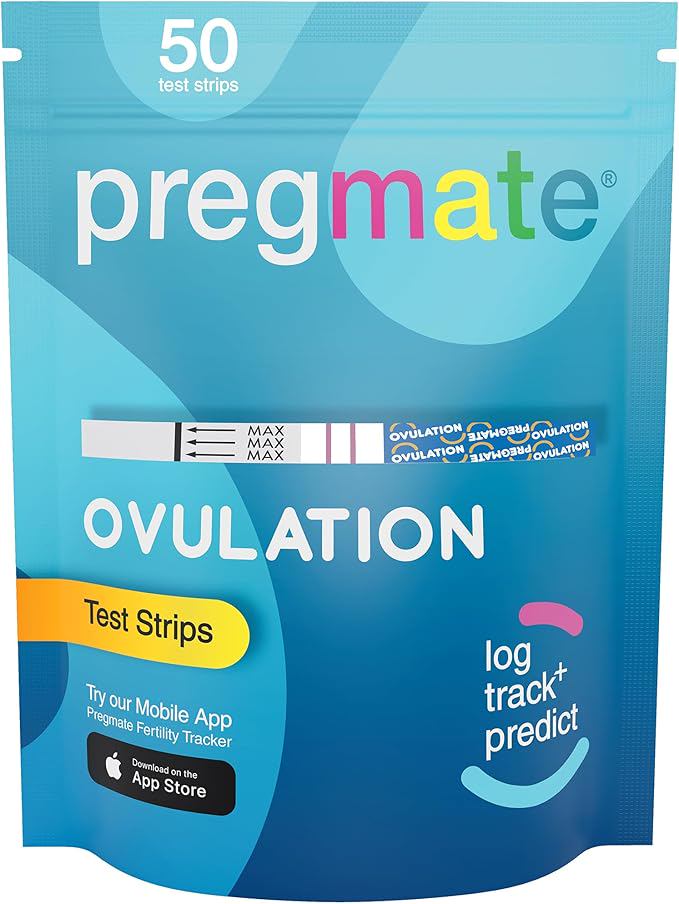
You do not need to rely solely on a calendar. Physical signs can indicate that ovulation is happening again. These include a change in cervical mucus (becoming clear and stretchy, like raw egg whites), a slight rise in basal body temperature, and mild cramping on one side of the lower abdomen (mittelschmerz). Ovulation predictor kits can also detect the surge in LH that precedes ovulation by 24–36 hours.
It is worth noting that you can ovulate before your first postpartum period appears. The same principle applies after stopping birth control: the first ovulation may come before you see any menstrual bleeding. If you are hoping to conceive, having regular intercourse from the time you stop contraception is reasonable, even if your period has not yet returned.
When to be concerned about delayed ovulation
While some delay is expected, prolonged absence of ovulation (amenorrhea) may point to an underlying condition. If you have not had a period for three months after stopping hormonal birth control, or if cycles remain longer than 35 days after six months, fertility specialists suggest a workup. Common causes include hypothalamic amenorrhea (often from stress, low body weight, or excessive exercise), PCOS, or premature ovarian insufficiency.
Your gynecologist may order blood tests to check levels of FSH, LH, estrogen, prolactin, and thyroid-stimulating hormone. An ultrasound can assess ovarian appearance and volume. In most cases, the diagnosis is reassuring—post-pill amenorrhea resolves with time or minimal treatment.
“The vast majority of women will ovulate within three months of stopping birth control. If they don’t, we look for other causes, but it is rarely a permanent issue.” — Dr. Shah
Practical steps to support your cycle after birth control
While you cannot force ovulation to start sooner, you can support your overall reproductive health. Eating a balanced diet with adequate fats and protein, maintaining a healthy body weight, managing stress, and getting regular sleep all contribute to hormonal balance. Some women find that tracking cycles and symptoms gives them a sense of control and helps them identify patterns early.
If you are trying to conceive, consider taking a prenatal vitamin with folic acid before you stop birth control. This ensures that your body has sufficient folate from the moment pregnancy might occur. There is no medical reason to wait a certain number of cycles before trying to conceive after stopping most forms of birth control. In fact, research suggests that conception rates are highest in the first three months after discontinuation.
What about the “post-pill PCOS” phenomenon?
Some women experience temporary symptoms that mimic polycystic ovary syndrome after stopping the pill. These can include acne, hair thinning, or irregular bleeding. Birth control pills suppress ovarian androgen production, so when you stop, the ovaries can temporarily produce more testosterone. This usually resolves within three to six months as the hypothalamus and pituitary gland regain normal control. If symptoms persist, evaluate for true PCOS.
A delay in ovulation after birth control is a normal part of the transition back to your natural cycle. Most women will ovulate within three months, and many will conceive without difficulty. If your cycle does not return on schedule, a fertility specialist can help identify the cause and offer targeted support. Patience, accurate information, and proactive monitoring are your best tools.