For anyone trying to conceive, timing and body awareness often take center stage. But according to fertility specialists, two everyday habits may quietly interfere with ovulation before a pregnancy test is even on the radar. Understanding how these patterns affect the menstrual cycle can help you make informed changes—no prescription required.
One of the most well-documented disruptors is smoking. The chemicals in cigarette smoke—including nicotine and carbon monoxide—can alter hormone levels and damage the eggs stored in the ovaries. Research shows that women who smoke are significantly more likely to experience delayed ovulation or anovulation (no ovulation at all). The effect is dose-dependent: the more you smoke, the greater the impact on fertility. Studies also suggest that smoking accelerates ovarian aging, meaning the pool of viable eggs shrinks faster than it would naturally. For women trying to conceive, quitting smoking is one of the single most effective steps to restore normal ovulatory function.
How smoking disrupts the menstrual cycle
Ovulation depends on a precise cascade of hormonal signals between the brain and the ovaries. Toxins in tobacco smoke can blunt those signals. Specifically, smoking may interfere with estrogen production and follicle-stimulating hormone (FSH), leading to irregular cycles or missed ovulation. Data from the National Institute of Environmental Health Sciences indicates that female smokers are twice as likely to experience infertility as non-smokers, and many of those cases stem from ovulatory problems.
Women who smoke have more difficulty becoming pregnant and face a higher risk of never becoming pregnant at all.
Beyond ovulation, smoking during pregnancy can cause tissue damage in the unborn baby—particularly in the lungs and brain. Some studies link maternal smoking to cleft lip, and carbon monoxide in tobacco smoke restricts oxygen supply to the developing fetus. Miscarriage, preterm birth, and sudden infant death syndrome (SIDS) risks also rise. The takeaway: quitting before pregnancy is ideal, but stopping at any stage still provides meaningful protection.
The second habit: excessive alcohol consumption
While smoking is widely recognized as harmful, alcohol’s effect on ovulation is less discussed but equally significant. Heavy drinking—defined as more than three drinks per day or seven per week—can disrupt the hypothalamic-pituitary-ovarian axis. This disruption can suppress the surge of luteinizing hormone (LH) that triggers egg release. Even moderate drinking may subtly alter cycle length or hormone levels in sensitive individuals.
A 2020 review in the journal Human Reproduction Update found that women who consumed more than four drinks per week had a slightly higher risk of ovulatory infertility compared to non-drinkers. Binge drinking (four or more drinks in a single occasion) appears particularly disruptive, possibly by raising cortisol and disrupting sleep, both of which influence reproductive hormones.
For women actively trying to conceive, many fertility specialists recommend limiting alcohol to occasional use—or avoiding it altogether during the fertile window.
Practical steps to support ovulation
The good news is that the body often responds quickly when these habits change. Here are evidence-informed strategies to restore normal ovulatory function:
- Quit smoking with a plan. Let close friends and family know you’re quitting so they can support you. Remove all cigarettes, lighters, and ashtrays from your home and car. When a craving hits—which typically peaks for 3–5 minutes—delay the urge by breathing slowly (in for three counts, out for three counts), sipping water, or going for a short walk. Many people find success with apps that provide daily tips and encouragement.
- Reduce alcohol gradually. If you drink regularly, try cutting back by substituting sparkling water or herbal tea. Track your intake for a week to get a realistic baseline, then aim for zero to two drinks per week. Avoid binge drinking entirely, especially in the second half of your cycle.
- Consider professional support. Quit-smoking programs—whether in-person or virtual—can double your chances of success. Some people benefit from medications like nicotine patches or prescription aids, but these should only be used under a doctor’s supervision, and many are not recommended during pregnancy.
- Focus on overall health. A balanced diet, regular moderate exercise, and stress management all support hormonal balance. Weight extremes (too low or too high) can also disrupt ovulation, so aim for a stable body mass index within a healthy range.
When to talk to a doctor
If you’ve been trying to conceive for six months (or one year if you’re over 35) without success, it’s time to consult a healthcare provider. A gynecologist or reproductive endocrinologist can run basic tests—including blood work to check thyroid function, prolactin, and FSH—and help you identify any underlying issues. Irregular cycles, absent periods, or severe PMS may also signal ovulatory problems that merit evaluation.
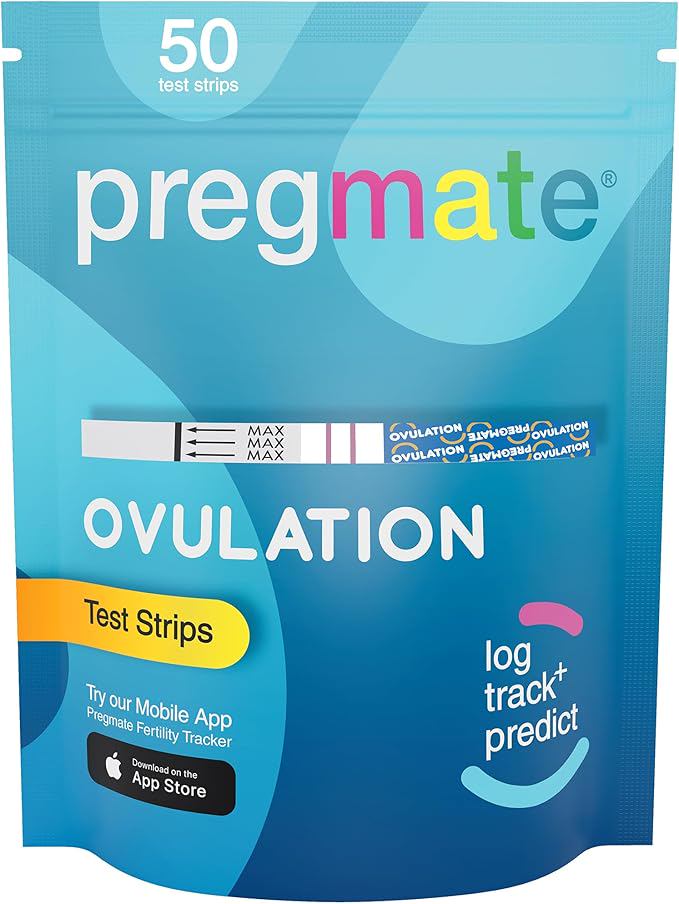
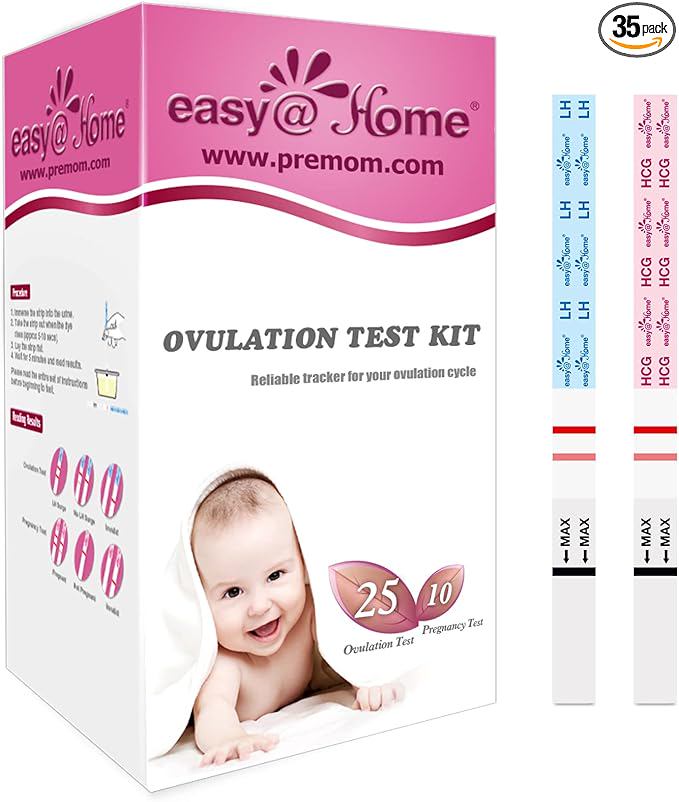
Keep in mind that ovulation disruption doesn’t always cause obvious symptoms. Some women with anovulation still have monthly bleeding that looks like a period. Tracking basal body temperature or using ovulation predictor kits can help clarify whether you’re ovulating regularly.
Building fertility-friendly habits doesn’t require perfection—just consistent small steps. Eliminating smoking and moderating alcohol are two of the most impactful changes you can make to protect ovulation and improve your chances of conception.