
When you're trying to conceive, every cycle brings a fresh wave of hope—and a lot of questions. One of the most common ones I hear from readers is, "Can the food I eat actually improve my egg quality?" It's a fair question, especially since we can't see our eggs the way we can see our skin or feel our energy levels. The short answer is yes: while you cannot change the eggs you are born with, you can absolutely influence the environment in which your remaining eggs mature. The 90 days leading up to ovulation is when those eggs are developing, and what you eat during that window matters.
Let's look at four foods that research and clinical experience suggest can support better egg quality, particularly in the weeks around ovulation. These aren't magic bullets—they are real, whole foods that help quiet inflammation, support hormone balance, and protect the egg from oxidative stress.
Why Egg Quality Matters
Egg quality refers to the egg's ability to fertilize, implant, and grow into a healthy embryo. A high-quality egg has the right genetic material (chromosomes) and enough energy to divide properly. Mitochondria—the tiny power plants inside the egg cell—play a huge role here. They need specific nutrients to keep the egg's energy high and its DNA intact. When those nutrients are missing, the egg may struggle to mature or may create an embryo that doesn't implant.
Ovulation is the finish line. By the time an egg is released, most of its final preparation is done. So the foods you eat in the weeks before ovulation are especially important. Here are four research-backed foods to include in your diet.
1. Avocados — Healthy Fats for Hormone Production
Avocados are rich in monounsaturated fats, which are the building blocks for steroid hormones, including estrogen and progesterone. When you eat enough healthy fats, your body can produce these hormones more efficiently, which supports a smoother ovulation cycle. Avocados also deliver a hefty dose of vitamin E, a fat-soluble antioxidant that protects cell membranes—including the outer shell of the egg—from oxidative damage.
One study found that women who consumed more monounsaturated fat had a lower risk of ovulatory infertility. Try adding half an avocado to a salad or smoothie during your follicular phase (the days before ovulation).
2. Leafy Greens — A Folate Powerhouse
Dark, leafy greens like spinach, kale, and Swiss chard are packed with folate (vitamin B9). Folate is crucial for DNA synthesis and repair, which is happening constantly as the egg matures. Without enough folate, the egg may accumulate DNA errors that prevent fertilization or lead to early miscarriage.
Folate also helps lower homocysteine, an amino acid that, when elevated, is linked to poor egg quality and implantation failure. A 2018 study in the journal Fertility and Sterility found that women with higher folate intake had better-quality embryos during IVF. Aim for a large handful of cooked greens each day during the week leading up to ovulation.
3. Wild Salmon — Omega-3s for Inflammation Control
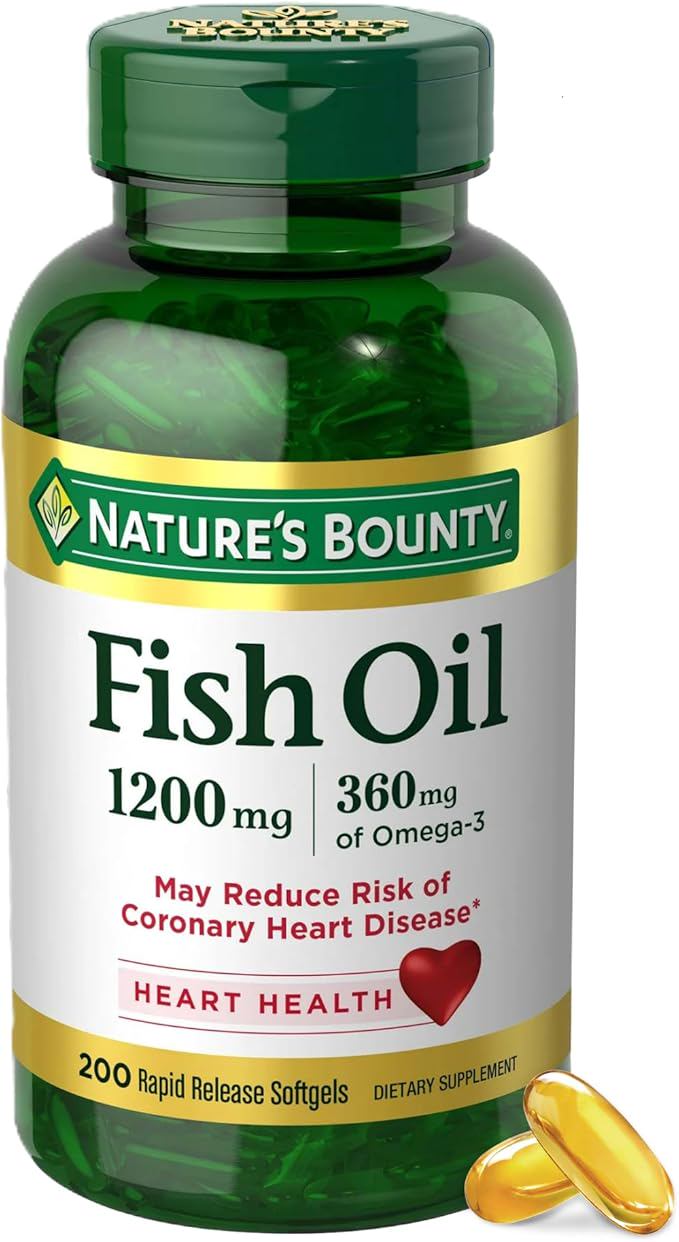
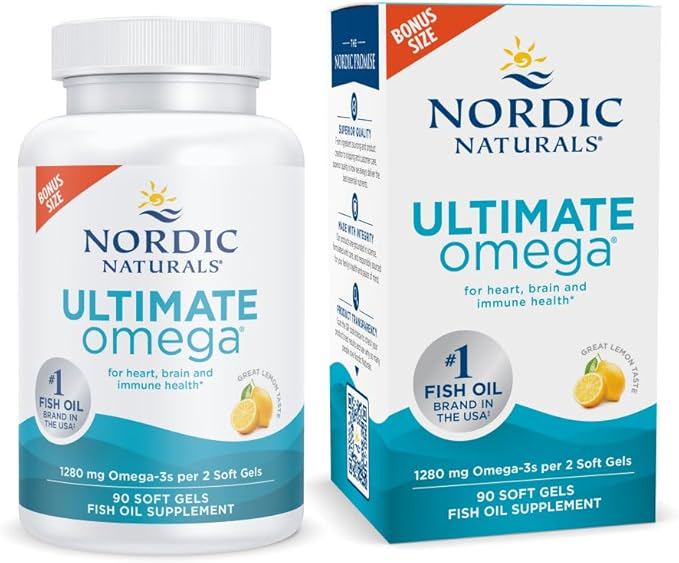
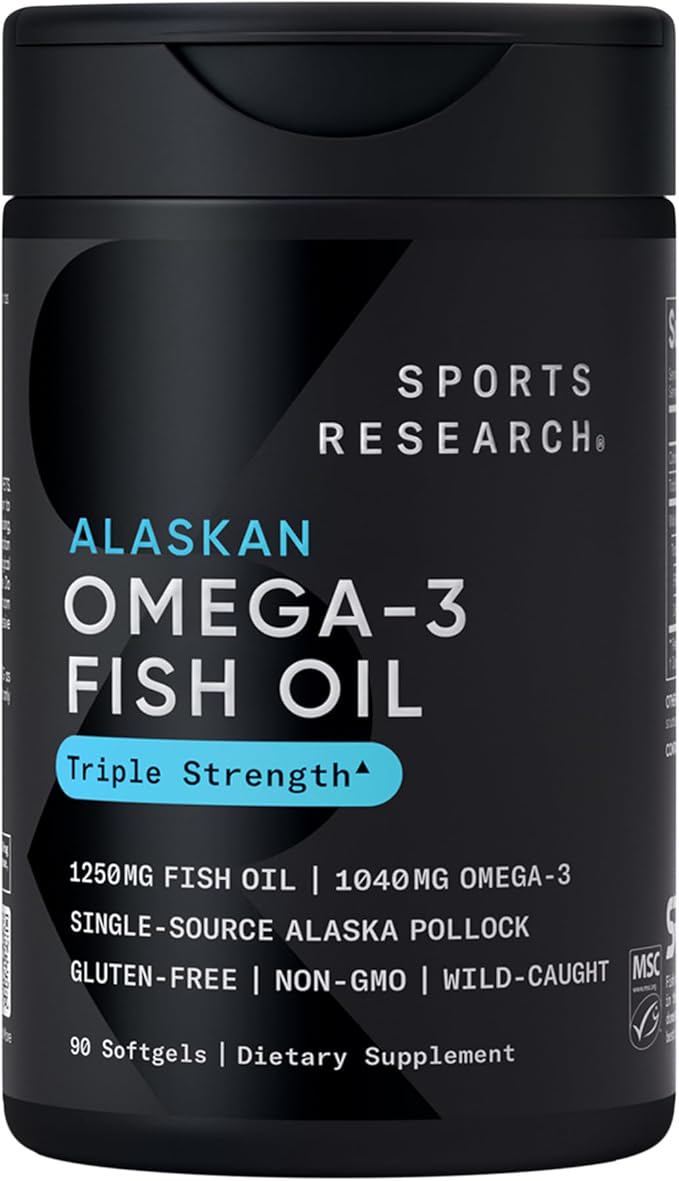
Chronic low-grade inflammation can damage the ovarian environment and impair egg quality. Wild salmon (and other cold-water fatty fish like sardines and mackerel) is one of the best sources of the omega-3 fatty acids EPA and DHA. These fats help quiet inflammation and improve blood flow to the ovaries.
DHA is also a structural component of the egg's cell membrane. A 2019 study found that women with higher blood levels of omega-3s had better embryo morphology in IVF cycles. If you don't eat fish, consider a high-quality algae-based DHA supplement—but for food sources, two servings of wild salmon per week during your follicular phase can make a real difference.
4. Walnuts — Antioxidants and Selenium
Walnuts are one of the best plant-based sources of alpha-linolenic acid (ALA), a type of omega-3 that helps reduce oxidative stress. They also contain selenium, a mineral that acts as a cofactor for antioxidant enzymes. Selenium helps protect the egg from free radicals that can damage its DNA and mitochondria.
A small handful of walnuts (about 1 ounce) a day is an easy, portable snack that supports egg health without requiring any cooking or prep.
One study in Human Reproduction showed that women with higher dietary selenium intake had a lower risk of ovulatory infertility. Walnuts also provide copper and zinc, two minerals that support hormone balance and egg maturation.
How to Put It All Together
You don't need to overhaul your entire diet overnight. Here is a simple way to include all four foods in the days before you expect to ovulate:
- Breakfast: A smoothie with a handful of spinach, half an avocado, and a handful of walnuts.
- Lunch: A large salad with mixed greens, grilled wild salmon, and a few walnut pieces on top.
- Snack: A small handful of walnuts and a few slices of avocado.
Consistency matters more than perfection. Eating these foods regularly over the 90-day maturation window gives your body the steady supply of nutrients it needs.
What About Supplements?
While whole foods are the foundation, certain supplements can also support egg quality. Coenzyme Q10 (CoQ10), myo-inositol, and N-acetylcysteine (NAC) are often researched for their role in mitochondrial function and egg maturation. But always check with your healthcare provider before starting a new supplement, especially when you are actively trying to conceive.
The Bottom Line
Egg quality is not something you can control overnight, but it is something you can influence with consistent, nutrient-dense eating. Avocados, leafy greens, wild salmon, and walnuts are four foods that target the key areas: hormone support, DNA protection, inflammation reduction, and mitochondrial health. Focus on including them in the weeks around ovulation, and give your body at least 90 days to show the benefits.