Ovulation irregularity is a common concern for many women, often linked to conditions like Polycystic Ovary Syndrome (PCOS), thyroid imbalances, or elevated prolactin levels. While medical guidance is essential for any underlying diagnosis, emerging research suggests that certain dietary choices may support hormonal balance and encourage more regular ovulation cycles. Below, we explore five foods that may help address some of the root causes of ovulation irregularity, from insulin resistance to inflammation.
1. Full-Fat Dairy: Could It Lower Anovulation Risk?
For years, low-fat dairy was the default recommendation, but when it comes to fertility, full-fat dairy may have the edge. Several large studies have observed that women who consume one or more servings of full-fat dairy per day have a lower risk of ovulatory infertility compared to those who opt for skim or low-fat versions. The theory involves the fat-soluble hormones present in whole milk—removing the fat may also remove some of the beneficial compounds that support ovulation. A simple swap from skim milk to whole milk or yogurt could make a difference over time.
A note on balance: Full-fat dairy is calorie-dense, so consider one serving per day—such as a glass of whole milk or a small bowl of plain yogurt—as part of an overall balanced diet.
2. Beans and Lentils: Steady Blood Sugar for Hormone Harmony
Spikes in blood sugar and insulin directly affect the ovaries and can disrupt ovulation, especially in women with PCOS. Legumes such as chickpeas, black beans, and lentils are rich in fiber and protein, which slow digestion and prevent sharp rises in blood sugar. This helps the body manage insulin more effectively. Lower insulin levels are linked to better follicle development and more predictable cycles. Try adding a half-cup of lentils to soups or salads a few times per week.
3. Fatty Fish: Fighting Inflammation with Omega-3s
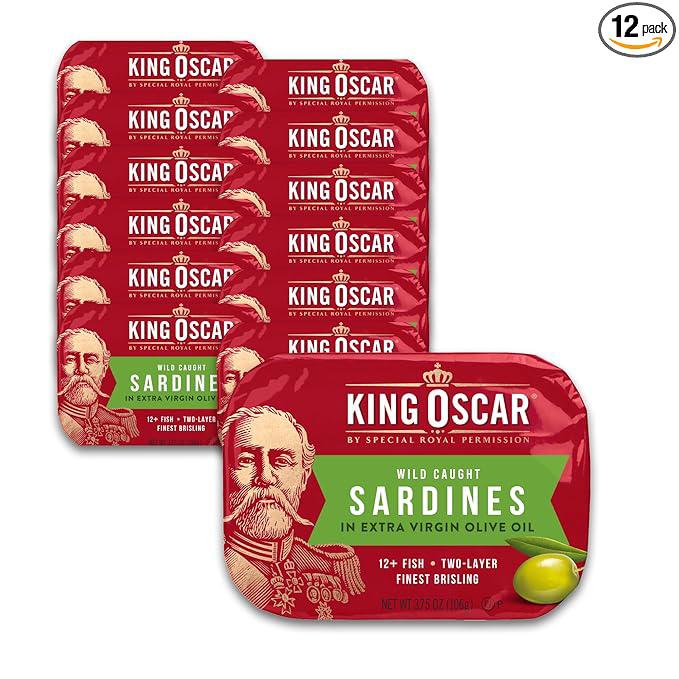
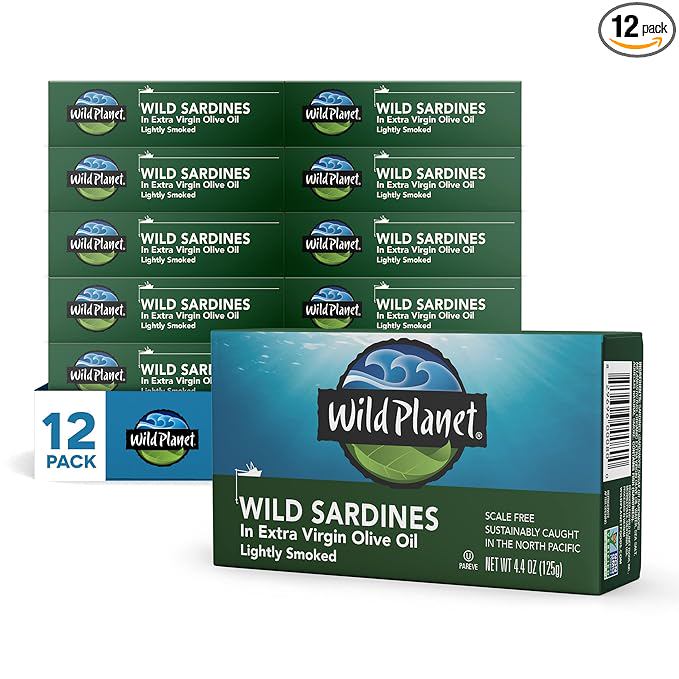
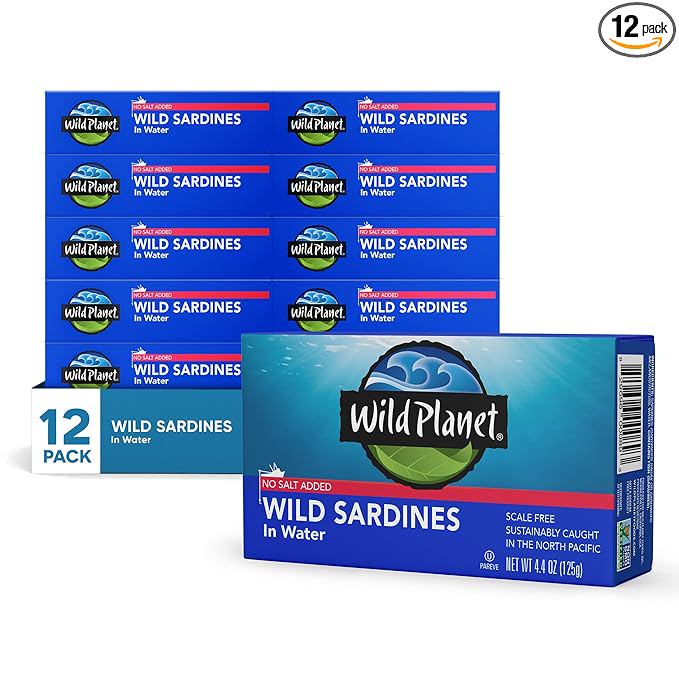
Chronic low-grade inflammation can interfere with the delicate signaling between the brain and the ovaries. Fatty fish like salmon, sardines, and mackerel provide high levels of omega-3 fatty acids, which are known to reduce systemic inflammation. Some research suggests that omega-3s may also improve egg quality and support regular ovulation in women with PCOS. Aim for two servings of fatty fish per week, or consider a plant-based source like ground flaxseed if you do not eat fish.
4. Leafy Greens and Iron-Rich Vegetables
Iron deficiency has been linked to anovulation (cycles where no egg is released). Spinach, kale, Swiss chard, and broccoli are excellent sources of non-heme iron, especially when paired with vitamin C (a squeeze of lemon) to improve absorption. A major Nurses' Health Study found that women who got more iron from plant sources had a significantly lower risk of ovulatory infertility. Including a generous handful of leafy greens in your daily meals is a simple, powerful step.
5. Sunflower Seeds and Almonds: Vitamin E and Selenium
Sunflower seeds and almonds are concentrated sources of vitamin E, a fat-soluble antioxidant that helps protect reproductive cells from oxidative stress. Some small studies indicate that vitamin E may improve ovulation rates in women with PCOS. Additionally, these seeds provide selenium and zinc, both of which play roles in hormone production and follicle health. A small handful a day—about one ounce—is enough to boost your intake without overdoing calories.
Putting It Together: A Diet That Supports Ovulation
No single food is a magic bullet for ovulation irregularity, but the pattern of eating whole, nutrient-dense foods matters. The Mediterranean diet—rich in healthy fats, legumes, vegetables, and fish—has consistently been associated with better fertility outcomes. Reducing ultra-processed foods, sugary drinks, and trans fats may also help. If irregular cycles are a concern, consider tracking your diet alongside your cycle and discussing any changes with your healthcare provider.