
When stress tightens its grip, our first instinct is often to seek complex solutions. Yet, one of the most fundamental, and frequently overlooked, tools for managing stress is as simple as a glass of water. While we know hydration is essential for physical health, its profound connection to our mental and emotional resilience is a growing area of scientific interest. Experts from fields like neuroscience, psychology, and integrative medicine are now clarifying how proper water intake directly influences the body's stress response systems.
This isn't about drinking to extremes, but about understanding the subtle, yet significant, role consistent hydration plays in keeping our nervous system balanced. Dehydration, even at mild levels, can act as a physiological stressor, triggering a cascade of effects that mimic or exacerbate feelings of anxiety and tension. By exploring what the research says, we can learn to use water not just as a nutrient, but as a foundational pillar of daily stress management.
How does dehydration trigger a stress response in the body?
Think of your body as a finely tuned instrument. When it's well-hydrated, it operates smoothly. But when water levels drop, it begins to sound alarms. Dehydration is perceived by the body as a threat to homeostasis—its state of internal balance. In response, it activates the hypothalamic-pituitary-adrenal (HPA) axis, the same system that springs into action when you face a looming deadline or a difficult conversation.
This activation leads to the release of cortisol, the primary stress hormone. A study published in the Journal of Clinical Endocrinology & Metabolism found that even mild dehydration reliably increased cortisol levels in healthy volunteers. Elevated cortisol over time is linked to increased feelings of anxiety, difficulty concentrating, and sleep disturbances—creating a feedback loop where stress can make you forget to drink, and not drinking can heighten your stress.
Mild dehydration can act as a physiological stressor, prompting the same hormonal response as emotional or psychological stress.
Furthermore, water is crucial for the production of neurotransmitters, the brain's chemical messengers. Serotonin and dopamine, which help regulate mood and promote feelings of well-being, require adequate hydration for optimal synthesis and function. When you're dehydrated, your brain's energy production also falters, making it harder to think clearly and manage emotional reactions calmly.
What are the cognitive and emotional signs of stress-related dehydration?
Often, we mistake the mental fog of dehydration for simple tiredness or the onset of stress itself. Learning to recognize these signs can help you intervene with a glass of water before your stress escalates. Common cognitive and emotional indicators include:
- Increased irritability and frustration: Small annoyances feel magnified, and patience wears thin.
- Mental fatigue and poor concentration: Tasks that require focus become daunting, and your mind may feel sluggish or "fuzzy."
- Heightened anxiety: A general sense of unease or nervousness that seems to lack a clear cause.
- Low mood or feeling overwhelmed: You might feel a dip in your usual resilience or a sense of being unable to cope with normal demands.
These symptoms occur because the brain is about 75% water. Even a small deficit can impair its function, reducing cognitive performance and emotional regulation. It's a subtle shift, but one that can significantly color your perception of the day's challenges.
How much water is recommended for managing stress?
There is no universal number, as individual needs vary based on activity level, climate, body size, and diet. The common "eight glasses a day" is a reasonable starting point, but experts emphasize listening to your body and considering a more personalized approach.
Many nutritionists and health coaches suggest aiming for enough fluid so that your urine is a pale straw color. They also highlight the importance of consistency—sipping water throughout the day is far more effective for maintaining stable hydration (and a stable mood) than gulping large amounts infrequently.
It's also vital to increase intake during known stressors. If you have a demanding work project, are navigating personal conflict, or are pushing yourself physically, your body will use more water. Proactively upping your hydration during these times can provide physiological support to your nervous system.
Consistency is key. Sipping water steadily throughout the day supports stable hydration and a more resilient stress response better than sporadic large volumes.
Beyond plain water: what other hydration sources support stress management?
While water is the gold standard, other beverages and water-rich foods contribute to your daily fluid intake and can offer additional stress-supporting nutrients.
- Herbal teas: Chamomile, lavender, and lemon balm teas are doubly beneficial, providing hydration along with plant compounds traditionally used to promote calm.
- Electrolyte-infused waters or homemade alternatives: During periods of high stress or sweating, replenishing electrolytes like magnesium and potassium can aid hydration and support muscle relaxation.
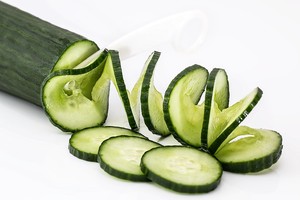
- Water-rich fruits and vegetables: Cucumber, celery, watermelon, strawberries, and lettuce have high water content and provide vitamins and antioxidants that help combat oxidative stress in the body.
It's wise to be mindful of beverages that can have a dehydrating or stimulating effect. High amounts of caffeine (in coffee, energy drinks, or some sodas) and alcohol can increase urine output and, for some people, may heighten feelings of anxiety, potentially counteracting your hydration efforts.
Ultimately, viewing water intake as part of your stress management toolkit reframes it from a chore to a conscious act of self-care. It’s a simple, accessible practice that grounds you in the present moment—each sip a reminder to pause and nourish your body's most basic need. By staying consistently hydrated, you're not just quenching thirst; you're providing your nervous system with the foundational support it requires to navigate life's inevitable pressures with greater ease and clarity.