We have all heard the standard advice: put the phone away an hour before bed. But does that arbitrary rule actually hold up under scrutiny, or is there a more precise window that sleep specialists now recommend? As research on circadian rhythms and blue light exposure matures, experts are moving beyond simple generalities toward a more targeted approach. The question is not merely whether screens disrupt sleep, but exactly when the cutoff should occur for the deepest, most restorative rest.
The Science of Light and the Circadian Clock
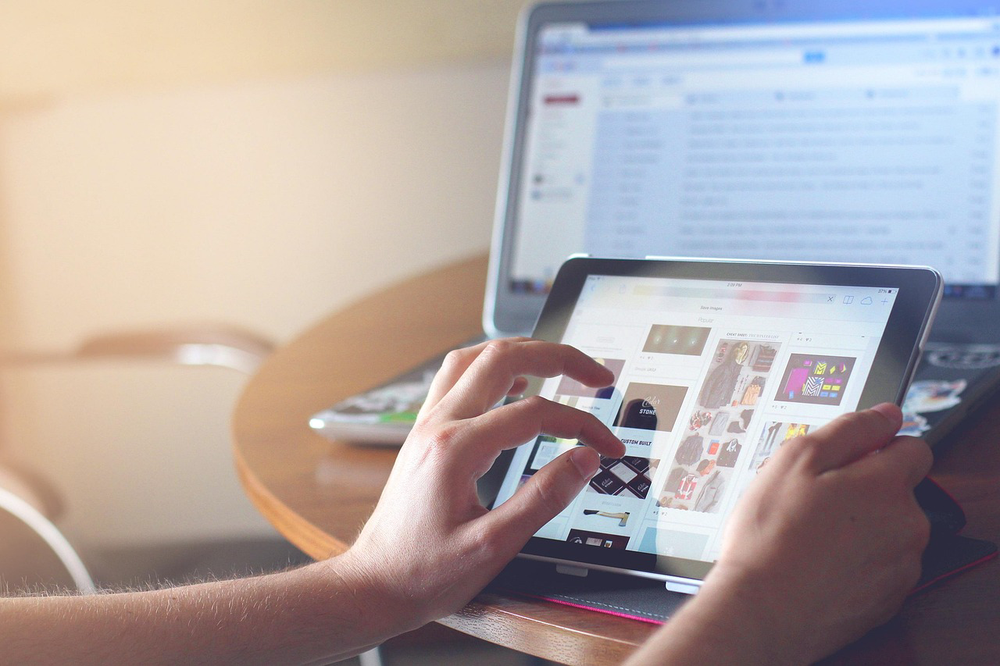
Your body’s internal clock—the circadian rhythm—relies heavily on light cues to determine when to release melatonin, the hormone that signals it is time to sleep. Natural daylight tells your brain to be alert; darkness encourages drowsiness. Screens emit blue light, which is particularly effective at suppressing melatonin. A 2019 study in Physiological Reports found that just 30 minutes of tablet use before bed delayed melatonin onset by roughly 15 minutes in healthy adults. For many, however, the problem is cumulative: scrolling through social media or answering emails in the hours before bed can shift the entire sleep cycle later.
What the Latest Guidelines Really Say
Major health organizations have refined their recommendations. The American Academy of Sleep Medicine no longer offers a single “one hour” blanket rule. Instead, many sleep specialists now suggest a more individualized window based on your natural chronotype. For someone who is a natural early riser, putting screens away two hours before bedtime may be optimal. For a night owl, a one-hour limit might be sufficient, provided they use dim screens and warm color settings. The key shift in expert thinking is that consistency matters more than a rigid clock—if you always power down at the same time relative to your bedtime, your brain learns to anticipate sleep.
“The most effective strategy is to create a consistent buffer zone where screens are completely absent. Even 45 minutes of screen-free wind-down can improve sleep quality more than an hour of dimmed scrolling.” – Dr. Chelsie Rohrscheib, sleep neuroscientist.
Is Blue Light Really the Only Problem?
Blue light gets most of the blame, but the content you consume matters just as much. Engaging with emotionally charged news, work emails, or competitive video games can elevate cortisol levels and keep your brain in a state of alertness, overriding any benefit of warm light filters. Experts now emphasize that the type of screen activity can determine how early you need to stop. Passive activities like watching a slow-paced documentary may require only a 30-minute buffer, whereas a heated debate on social media might demand a full two hours. The underlying principle is to let your nervous system downshift gradually.
Practical Steps to Find Your Personal Screen Curfew
Instead of guessing, you can experiment to find the window that works for you. Start by noting your current bedtime and screen habits. Then try these steps:
- Create a 90-minute digital sunset. Set an alarm 90 minutes before your target bedtime. At that alarm, switch all devices to airplane mode or place them in another room. For the next hour, read a physical book, take a warm bath, or practice light stretching. Use the final 30 minutes for relaxation practices like deep breathing or journaling.
- Use analog clocks. Checking the time on a phone is a common trap—you see a notification, and within seconds you are scrolling. Place a traditional alarm clock across the room to avoid this temptation.
- Dim your environment progressively. Thirty minutes before screen removal, start dimming overhead lights. This creates a visual cue for your brain that sleep is approaching.
If you find that you wake up feeling refreshed after a few weeks of a 90-minute buffer, that is your sweet spot. If you still struggle, extend the buffer by another 30 minutes. Some people respond best to a full two-hour window.
Common Misconceptions About Screen Timing
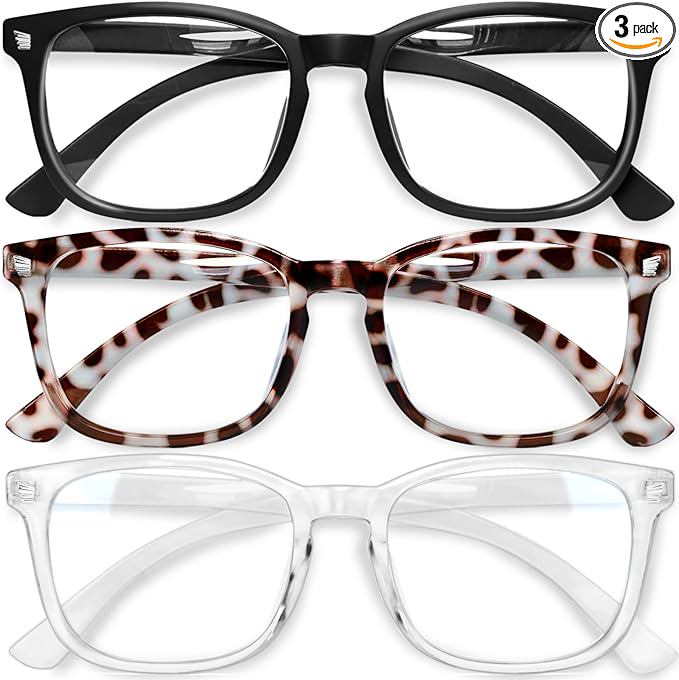
One pervasive myth is that special “night mode” glasses or phone settings fully neutralize the harm. They do reduce blue light exposure, but they do nothing for the cognitive engagement factor. Another myth: that reading on an e-ink screen (like a Kindle without backlight) is completely safe. While better than a tablet, even e-ink readers with front lights emit some blue light, and the act of reading itself can keep the mind active if the subject is stimulating. The most effective approach remains powering down entirely.
Frequently Asked Questions
Is there a single best time to stop looking at screens before bed?
No single time works for everyone. Most sleep experts recommend a window of 60 to 90 minutes before bed. Your individual chronotype, age, and sensitivity to light will determine where within that range you should land. Experimentation is key.
Does using a blue light filter app make it safe to use screens closer to bedtime?
Blue light filters help, but they are not a free pass. They reduce some of the melatonin suppression effect, but the mental stimulation from content—especially interactive or stressful material—can still keep you alert. It is better to rely on a screen-free buffer rather than filters alone.
Can watching TV be as disruptive as using a phone or tablet?
Television is generally less disruptive than handheld devices because the screen is farther from your face and the lighting is often ambient. However, binge-watching engaging shows can still delay sleep. The ideal is to avoid all screens, but if you choose TV, keep the volume low and watch something calm at least one hour before bed.
What if I need to use screens for work late at night?
If unavoidable, use a computer with a warm color temperature setting and take at least a 5-minute break every 20 minutes to look away from the screen. After finishing, do a 15-minute wind-down activity that does not involve a screen, such as listening to an audiobook or doing gentle yoga, before attempting sleep.