
The first minutes of your day often set the tone for everything that follows. A rushed alarm, a scramble for coffee, and a mental list of deadlines can flick your nervous system into a low-grade stress mode before you have even left the bedroom. Over time, that morning cortisol spike, if repeated day after day, chips away at your resilience and your immune defenses.
The good news is that you do not need an hour-long wellness ritual to reverse that pattern. A deliberate ten-minute morning practice, done consistently, can train your body to handle stress more calmly and keep your immune system in a stronger, more balanced state. Below is a sequence built on evidence-informed habits that you can adapt to your own mornings.
Why ten minutes is enough
Stress resilience is not about eliminating pressure from your life. It is about how quickly your nervous system returns to a calm baseline after a challenge. The immune system is tightly linked to this process: chronic stress elevates cortisol and inflammatory markers, which can suppress immune function over time. A short, focused morning routine works because it interrupts the cycle of anticipatory stress before it takes hold.
Research on habit formation suggests that a new behavior sticks best when it is short, repeatable, and anchored to an existing cue—like waking up. Ten minutes is long enough to shift your physiology but short enough that you will actually do it.
The 10-minute sequence
This routine has three short movements: breath work, deliberate movement, and a mental reset. You can do them in bed, on a mat, or in a quiet corner. The key is consistency, not perfection.
Minutes 1–3: Box breathing or slow exhale breathing
Start with your eyes closed. Inhale through your nose for a slow count of four. Hold for four. Exhale through your mouth for four. Pause for four. Repeat. This pattern activates the vagus nerve and shifts the autonomic nervous system toward parasympathetic (rest-and-digest) mode. If four-count is uncomfortable, use three or five. The important part is a controlled, slow exhale.
A single session of slow breathing has been shown to lower heart rate and salivary cortisol in as little as five minutes.
Minutes 4–6: Gentle movement with body awareness
Move to standing or seated on the floor. Do a few slow cat-cow stretches or a forward fold with a slight knee bend. The goal is not to raise your heart rate but to release overnight stiffness and bring your attention into your body. You can add shoulder rolls or a gentle side bend. Notice where you hold tension—often the jaw, neck, or shoulders—and consciously soften those areas.
Minutes 7–10: A brief mental reset or gratitude anchor
Finish with one minute of quiet gratitude or intention-setting. You can name one thing you are looking forward to today or recall a small positive moment from yesterday. Alternatively, try a short body scan: mentally scan from your toes to your scalp, noticing sensations without judgment. This trains your brain to step out of autopilot worry and into present-moment awareness.
How this supports immune health
Chronic stress suppresses the immune system by reducing the activity of natural killer cells and increasing inflammation. A consistent morning routine that lowers baseline cortisol can help maintain a more responsive immune system. While no single practice can prevent illness, habits that reduce systemic inflammation—such as controlled breathing, moderate movement, and stress regulation—are associated with better immune outcomes over time.
One small study found that participants who practiced slow breathing for ten minutes daily for four weeks had lower levels of the inflammatory marker TNF-alpha. Another review linked regular mind-body practices with improved antibody response to vaccines. The mechanism is not magic: it is the repeated down-regulation of the stress response.
Making it stick
The most effective morning routine is the one you actually do. Here are a few practical tweaks that help build consistency:
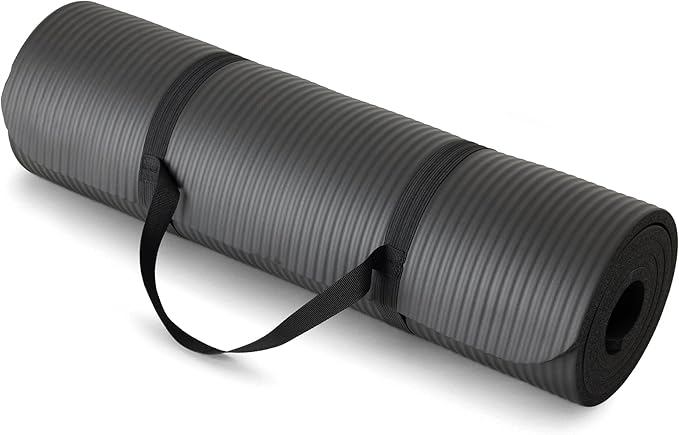
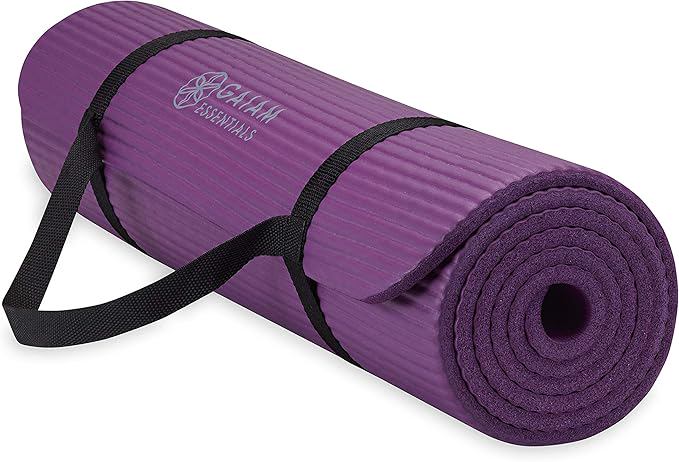
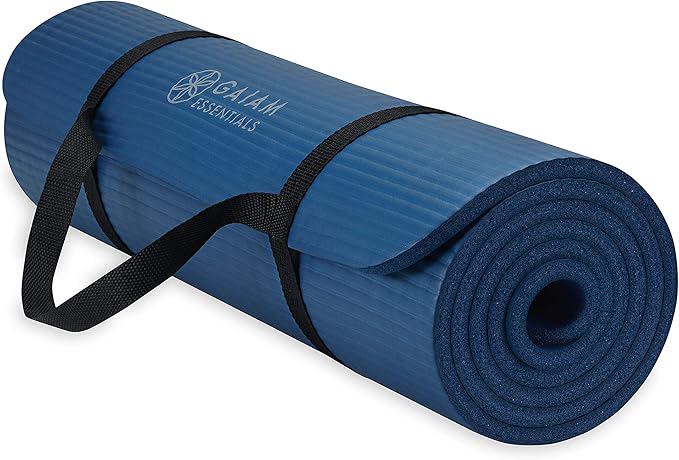
- Set one cue. Put your phone in the bathroom and place a yoga mat or cushion on the floor the night before.
- Start with two minutes. If ten feels daunting, begin with just the breathing portion for one week, then add movement.
- Pair it with something you already do. Do the routine right after you brush your teeth or before you pour your coffee.
- Be flexible. If you only have five minutes on a busy morning, do the breathing only. Something is better than nothing.
Small daily investment, long-term return
Stress resilience is built in small, repeated actions, not in one dramatic overhaul. By giving yourself ten quiet minutes at the start of your day, you create a buffer between the stillness of sleep and the demands of waking life. Over time, that buffer strengthens your nervous system, calms your immune response, and makes you less reactive to the inevitable stressors of the day.
Start tomorrow. Breathe, move, reset. Your body—and your immune system—will notice.