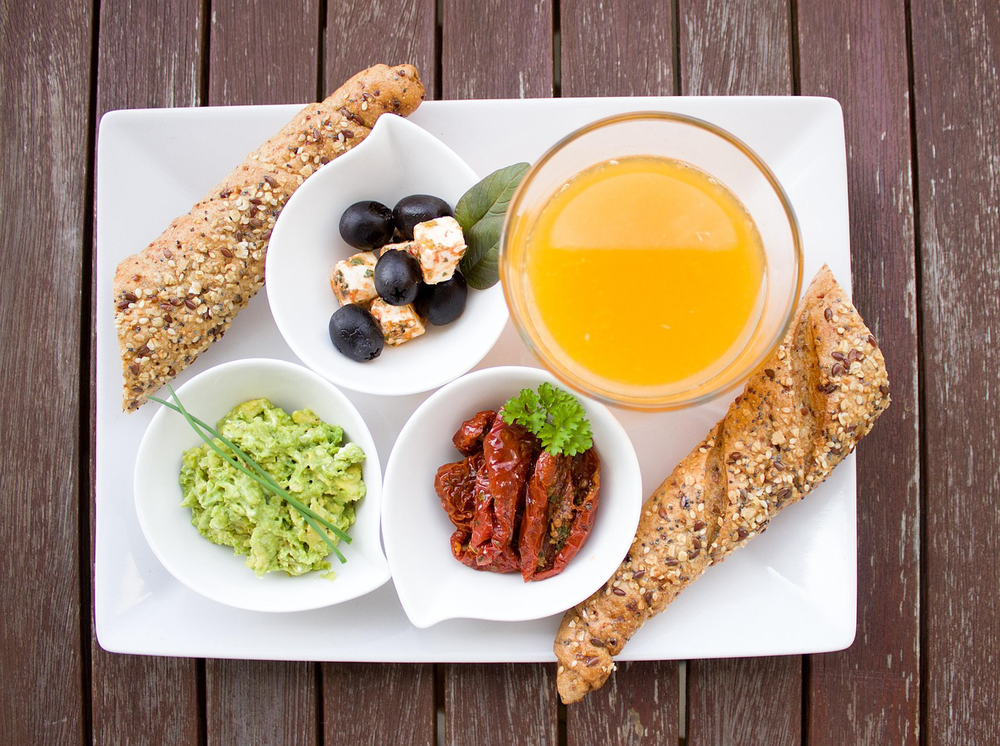
Breakfast sets the tone for the day — not just for your energy levels, but for your immune system, too. While many of us reach for quick, processed options in the morning, two simple swaps can make a meaningful difference in how your body defends itself. These aren't drastic overhauls; they're straightforward, dietitian-approved changes that support gut health, which is where a large portion of your immune function lives.
The first swap is trading sugary cereals or pastries for a bowl of oatmeal topped with berries and seeds. Oats are rich in beta-glucan, a type of soluble fiber that has been shown to enhance immune cell activity. Berries provide a concentrated dose of vitamin C and antioxidants, while seeds like flax or chia add both fiber and omega-3 fatty acids. This combination feeds the beneficial bacteria in your gut, helping to maintain a strong first line of defense.
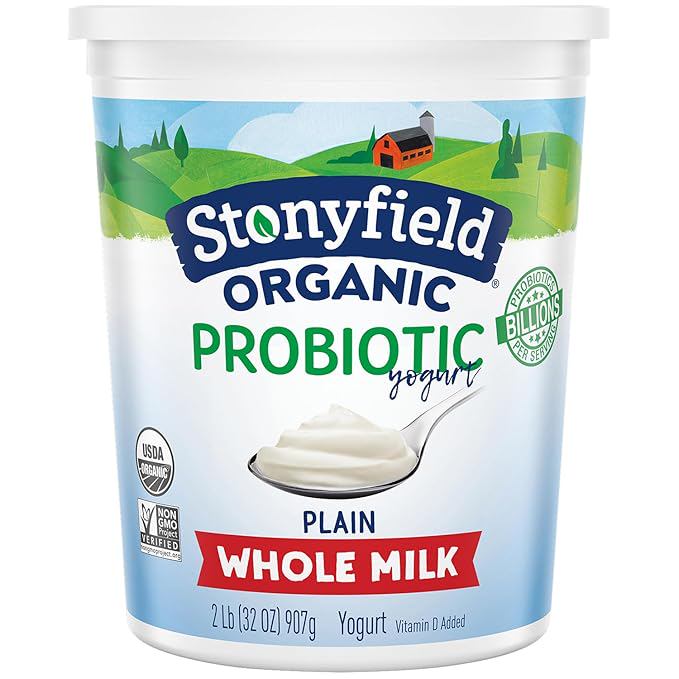
Swap 1: Replace Sugary Yogurt with Probiotic-Rich Kefir or Plain Yogurt
Flavored yogurts are often loaded with added sugars, which can actually suppress immune function. The better choice is plain, unsweetened yogurt or kefir. Both are fermented dairy products that deliver live probiotics — beneficial bacteria that directly support the gut microbiome. A healthy gut microbiome is essential for regulating immune responses.
If you're lactose-sensitive or prefer a dairy-free option, try unsweetened coconut or almond milk yogurt fortified with live cultures. Add your own flavor with fresh fruit and a drizzle of honey or maple syrup to keep the sugar content in check. The key is to look for labels that say "live and active cultures" to ensure you're getting the probiotic benefit.
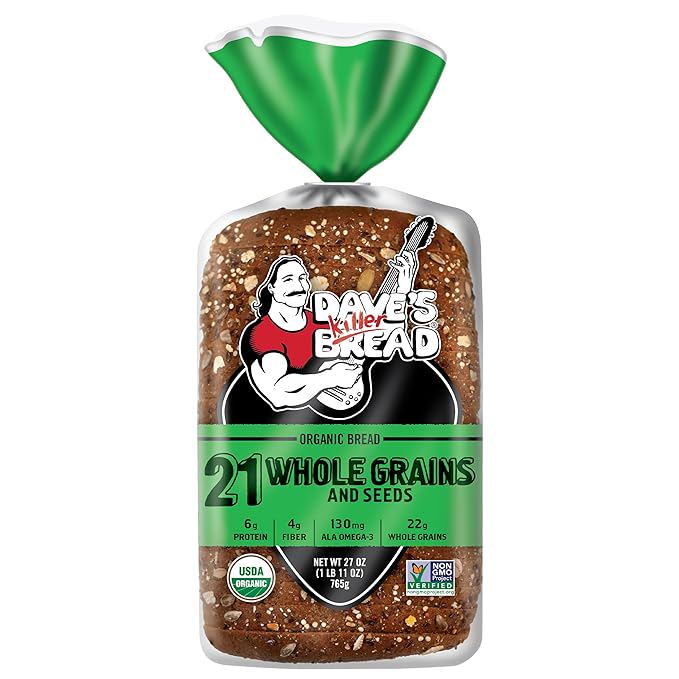
Swap 2: Swap White Toast for Whole Grain or Sourdough
White bread is low in fiber and can cause rapid spikes in blood sugar, which triggers inflammation and can temporarily weaken immune response. Instead, choose 100% whole grain bread or traditional sourdough. Whole grains retain their fiber and micronutrients, including zinc and B vitamins, which are important for immune cell function.
Sourdough offers an additional advantage: the fermentation process breaks down some of the gluten and phytic acid, making it easier to digest and increasing the availability of minerals like iron and zinc. This means your body can absorb more of the nutrients it needs to fight off illness.
A quick tip: Pair your morning carbs with a lean protein source, such as eggs, Greek yogurt, or nut butter. Protein provides amino acids necessary for building antibodies and immune cells.
Making both swaps doesn't require a complete kitchen overhaul. Start with one change this week and the next. Over time, these small adjustments can lead to more stable energy levels, better digestion, and a more resilient immune system.
Keep in mind that no single food can prevent illness. A balanced diet, adequate sleep, regular physical activity, and stress management all play roles in supporting immunity. These breakfast swaps are simply one piece of a larger picture — a manageable place to start.