
Stress is a normal part of life, but when it becomes chronic, your body pays the price—especially your immune system. Research has linked long-term stress to increased inflammation and a higher susceptibility to infections, from the common cold to more serious illnesses. The tricky part is that many people don’t realize how much their mental load is weakening their defenses until they’re already sick.
Here are four warning signs that your stress levels may be undermining your immune system, along with practical ways to support your body’s natural resilience.
1. You keep getting sick—and taking longer to recover
If you’ve been catching every cold that goes around or struggling with lingering symptoms, your immune system may be overtaxed. Chronic stress suppresses the production of lymphocytes (white blood cells that fight infection), making it harder for your body to mount an effective defense. When stress hormones like cortisol remain elevated over time, they can also delay wound healing and prolong recovery from illness.
What helps: Prioritize sleep, stay hydrated, and reduce sugar intake—all of which support immune function. Even a short mindfulness practice can help lower cortisol levels.
2. You wake up exhausted despite getting enough sleep
Feeling drained after a full night’s sleep is a classic sign that stress is disrupting your rest. High cortisol levels can interfere with deep sleep stages, leaving you unrefreshed. Poor sleep, in turn, further impairs immune cell activity, creating a vicious cycle.
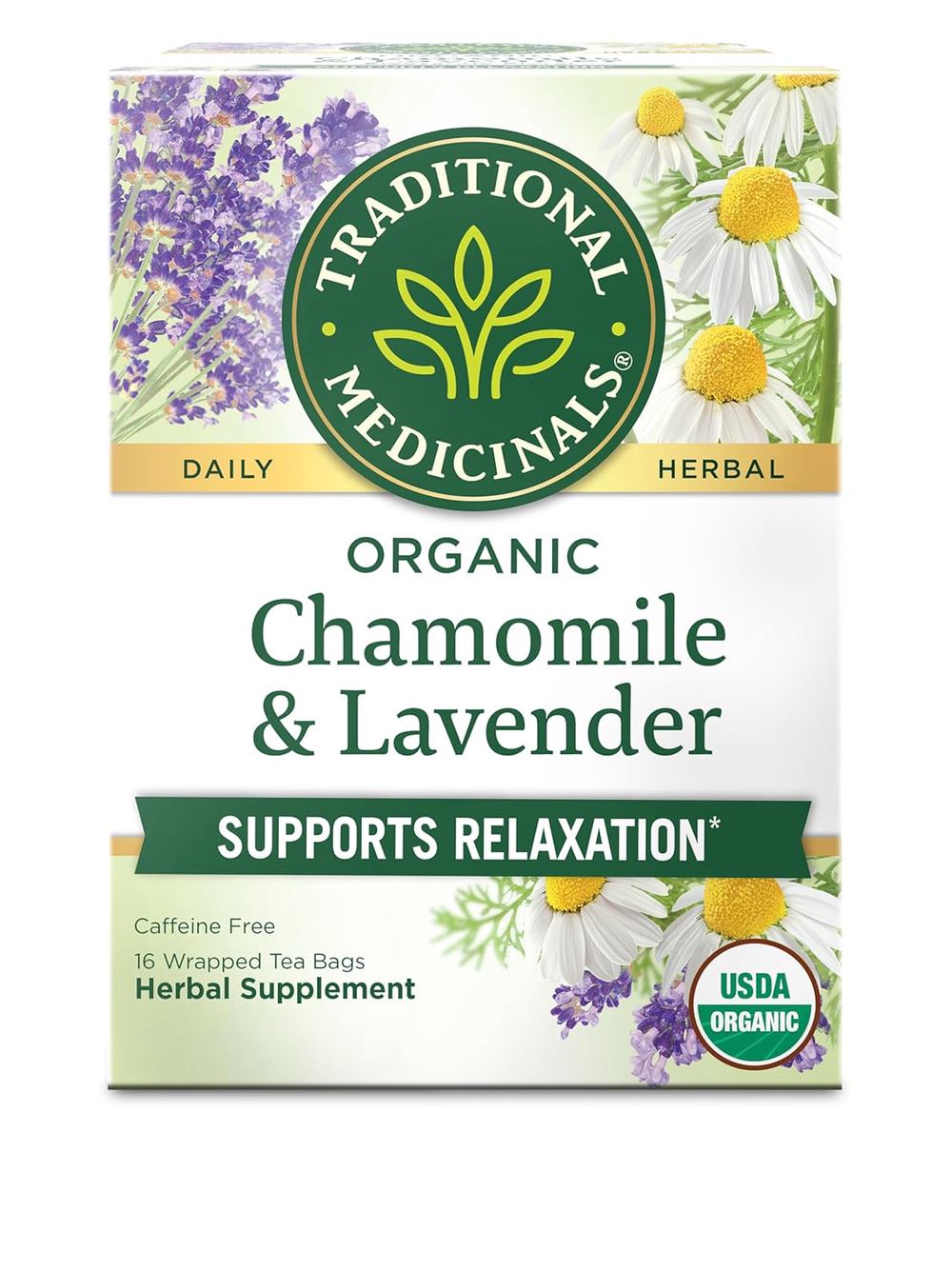
What helps: Establish a consistent wind-down routine: dim lights, avoid screens an hour before bed, and try a calming tea like chamomile or tulsi.
3. You’re dealing with digestive issues more often
The gut is home to about 70% of your immune cells. When stress hits, it can alter gut motility, increase intestinal permeability (often called “leaky gut”), and disrupt the balance of beneficial bacteria. Symptoms like bloating, diarrhea, or indigestion that worsen when you’re under pressure are clear signals that your immune–gut connection is out of sync.
What helps: Incorporate fermented foods (such as yogurt, kefir, or sauerkraut) and fiber-rich vegetables to nourish your gut microbiome. Managing stress with short breathing exercises can also calm the gut–brain axis.
4. Your skin is breaking out or healing slowly
Your skin is a visible reflection of your internal health. Chronic stress triggers increased oil production and inflammation, which can worsen acne, eczema, or psoriasis. More importantly, elevated cortisol can slow the skin’s ability to repair itself—meaning cuts, scrapes, or breakouts take longer to heal.
What helps: Gentle skin care with anti-inflammatory ingredients (like aloe vera or green tea) can help, but the root cause remains stress. Regular exercise, even a daily 20-minute walk, helps lower cortisol and improve circulation to the skin.
Putting it all together
Your body is always sending signals. Frequent infections, unrefreshing sleep, digestive discomfort, and sluggish skin healing are four red flags that chronic stress may be wearing down your immune defenses. While these symptoms don’t necessarily mean something is seriously wrong, they are worth listening to.
Simple lifestyle shifts—like prioritizing sleep, eating for gut health, and finding small moments of calm—can go a long way. If these signs persist or worsen, consider checking in with a healthcare provider for personalized guidance.