
You take good care of your face. You cleanse, moisturize, and protect it. Yet every time you catch your reflection, your neck tells a different story. Those creases, those bands, that loose skin—they seem to appear overnight. But here's the truth dermatologists repeat in exam rooms every day: neck wrinkles are not a sign that you've done something wrong.
The skin on your neck is biologically thinner, has fewer oil glands, and is subjected to constant motion from looking down at phones, books, and even your own hands. It's a high-traffic area with fragile architecture. Understanding how it ages is the first step to treating it with the same respect you give your face.
Fact 1: Your neck ages the same way your face does—almost
Many women treat their face and neck as two separate zones, but the biology is nearly identical. The neck loses collagen and elastin at a similar rate, which leads to thinning skin, fine lines, and the dreaded vertical bands that dermatologists call platysmal banding. These are the neck muscles themselves becoming more visible as the skin above them loses support.
The difference is exposure and neglect. While you might layer serums and sunscreen on your face daily, your neck often gets leftover product—if it gets anything at all. Sun damage is a major driver of neck aging, and because the neck skin is thinner, ultraviolet rays penetrate more deeply. Over time, this breaks down collagen faster, leading to both wrinkling and a crepey texture.
Another overlooked factor is screen posture. The repetitive bending of your neck while looking at phones, tablets, and laptops creates horizontal lines—often called tech neck. Over years, these temporary creases become permanent as the skin loses its ability to snap back. A 2022 study in the Journal of Cosmetic Dermatology confirmed that prolonged neck flexion significantly correlates with deeper horizontal neck lines, particularly in women over 50.
Fact 2: Prevention is powerful, but it's never too late to start
You may be reading this and thinking, I wish I had known this 20 years ago. While early intervention is ideal, the skin's ability to repair itself doesn't vanish at menopause. It slows down—but it doesn't stop.
The basics that work for face aging apply here too:
- Daily sunscreen on the neck, including the back and sides. The neck skin has a lower concentration of protective melanin in most skin types, making it more vulnerable from every angle.
- Retinoids or retinols, used consistently (and gradually, to avoid irritation), can stimulate collagen production in neck skin just as they do on the face. Many dermatologists recommend a weaker formulation for the neck initially.
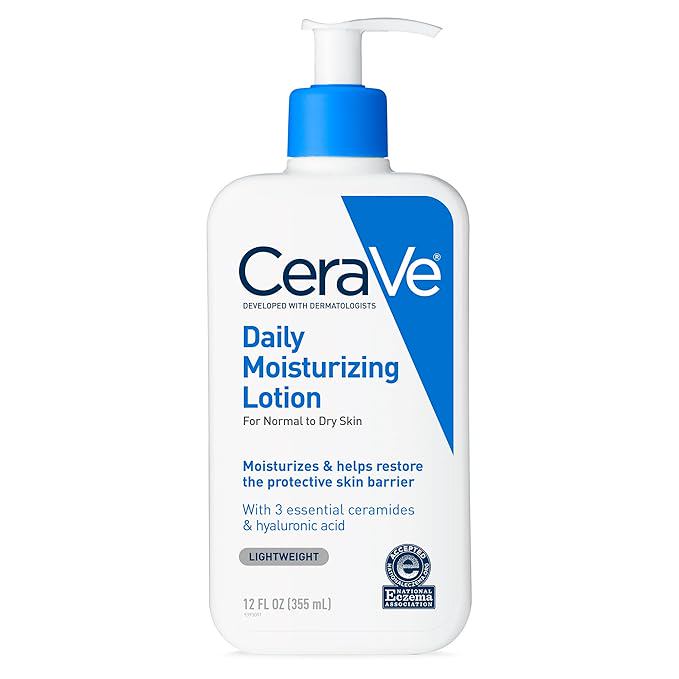
- Moisture barriers matter immensely. Thick, ceramide-rich creams or balms help support the fragile neck skin structure and reduce the appearance of fine lines temporarily.
One practical strategy a dermatologist shared with me: when you apply your evening retinol to your face, use your ring finger to dab a small amount onto your neck. Wait twenty minutes, then seal it with a moisturizer. The neck cannot tolerate high concentrations right away.
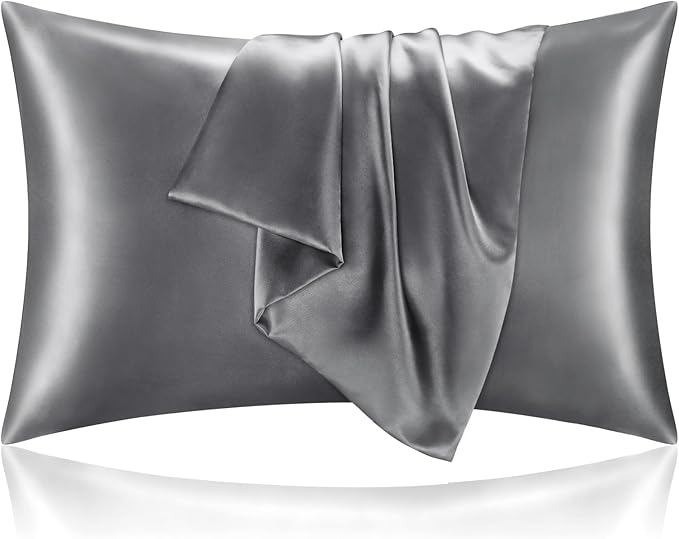
Lifestyle changes also stack. Sleeping on a silk or satin pillowcase reduces friction and folding of neck skin during the night. Keeping a consistent sleep position (back-sleeping, if possible) minimizes the repeated creasing that etches into thin neck skin over time.
Fact 3: You don't need a surgical solution to see meaningful improvement
When women hear the phrase neck rejuvenation, they often imagine a facelift or a neck lift. Those procedures do exist and can produce dramatic results, but they are not the only option—and for many women over 50, they are not necessary.
Non-invasive treatments have improved significantly in recent years. Microfocused ultrasound and radiofrequency microneedling have both shown measurable success in tightening neck skin and softening horizontal wrinkles. These technologies deliver energy into the deeper dermis, triggering collagen remodeling without cutting the skin. A 2023 clinical review published in Dermatologic Surgery found that women aged 50–65 saw statistically significant improvement in neck skin laxity after three sessions of radiofrequency microneedling, with results lasting up to eighteen months.
There are also newer injection-based treatments. Small amounts of diluted neuromodulators (like Botox) can relax the platysmal bands, softening the vertical cords that pull down the neck. A board-certified dermatologist can evaluate whether this approach is suitable for your specific anatomy.
Topical peptides have gained traction as well. Certain peptide complexes can signal skin cells to produce more collagen and elastin. While no cream is a replacement for a procedure, consistent use over three to six months can improve texture and firmness in mild to moderate cases.
Here is the most important takeaway from every expert I spoke with: the neck is not a lost cause. It is simply a part of you that has been overlooked. The same consistent, gentle care you would give a friend is exactly what your neck skin needs—with sunscreen, patience, and a willingness to adapt as your skin changes.
And if the mirror still frustrates you? Remind yourself that a few lines on your neck are not a flaw. They are a map of a life you have lived, read, and looked up to see the faces you love.