For many women, the first sign that menopause has arrived isn’t a hot flash—it’s a stiff, achy knee or a painful hip that makes getting out of a chair feel like a major event. Joint pain during perimenopause and menopause is remarkably common, yet it’s often dismissed as “just getting older.” The reality is more complex: dropping estrogen levels directly affect inflammation and joint lubrication, which can leave cartilage less cushioned and tissues more sensitive.
The good news is that you don’t have to reach for a prescription or an over-the-counter pain reliever every time your hands feel stiff in the morning. Many experts in rheumatology, physical therapy, and functional medicine recommend a set of drug-free strategies that target the root causes of menopausal joint pain—not just the symptoms. Here’s what they suggest.
Why do joints hurt more during menopause?
Estrogen is a natural anti-inflammatory. It also helps maintain the synovial fluid that keeps your joints moving smoothly. As estrogen levels drop during perimenopause and menopause, two things happen: the anti-inflammatory effect weakens, and the tissues around your joints can become drier and less pliable. This combination makes everyday movements—walking, typing, even sleeping—more likely to cause irritation.
This isn’t the same as osteoarthritis, though the two can overlap. Menopause-related joint pain (sometimes called menopausal arthralgia) tends to affect wrists, hands, knees, and hips symmetrically. Many women also report that their pain fluctuates with their cycle during perimenopause, and then becomes more constant post-menopause.
Move more, but differently
The instinct to rest a painful joint is understandable, but it’s often counterproductive. Joints are designed for movement. Prolonged inactivity leads to muscle weakening, which puts more stress on the joint itself. Physical therapists consistently recommend low-impact movement that keeps joints lubricated without pounding them.
Walking is excellent, but form matters. Experts suggest paying attention to your stride: shorter, quicker steps placed evenly tend to be easier on hips and knees than long, heavy strides. For women with wrist or hand pain, using a Nordic walking pole can shift some weight-bearing away from the hands and onto the core and legs.
Water exercise deserves special mention. The buoyancy of water reduces gravitational load on joints by up to 90%, while the resistance strengthens supporting muscles. Many women find that 20 minutes of water walking or gentle stretching in a warm pool measurably improves morning stiffness.
A practical tip from physical therapists: If you sit for long periods, set a timer to stand up and walk for two minutes every hour. This simple habit prevents the “stiffening” that happens when joint fluid thickens during rest.
Prioritize omega-3s and anti-inflammatory foods
Dietary intervention for joint pain doesn’t mean adopting an extreme elimination plan. Instead, experts recommend a consistent pattern of eating that reduces systemic inflammation. The evidence is strongest for omega-3 fatty acids. These fats, found in fatty fish like salmon, mackerel, and sardines, help reduce the production of inflammatory chemicals that can irritate joint tissues.
You don’t need to eat fish every day. Two servings per week, combined with plant-based sources such as walnuts, chia seeds, and flaxseeds, is considered a solid baseline. Some women find that omega-3 supplementation (fish oil or algae oil) helps further, though it can take three to six weeks of consistent use before noticing a difference.
Other anti-inflammatory staples to include regularly are dark leafy greens (spinach, kale, Swiss chard), berries, turmeric (especially when paired with black pepper for absorption), and green tea. Many women also report that reducing added sugar—particularly from soda, pastries, and sweetened coffee drinks—lessens overall joint ache within a few weeks.
A note on nightshades
You may have heard that vegetables like tomatoes, peppers, and eggplants worsen arthritis pain. For most women, the evidence here is weak. Experts generally advise against cutting out nutrient-rich foods without testing. If you suspect a food triggers pain, remove it for three weeks, then reintroduce it and observe. More often, the real triggers are processed foods high in sugar and refined oils.
Strength training to support joint stability
Strong muscles act as shock absorbers for your joints. When the quadriceps muscles are weak, the patella (kneecap) can track improperly, aggravating the knee. When the glutes are underused, the hips take extra load. This is why physical therapists almost always prescribe resistance training for menopausal joint pain—not heavy bodybuilding, but consistent, controlled strengthening.
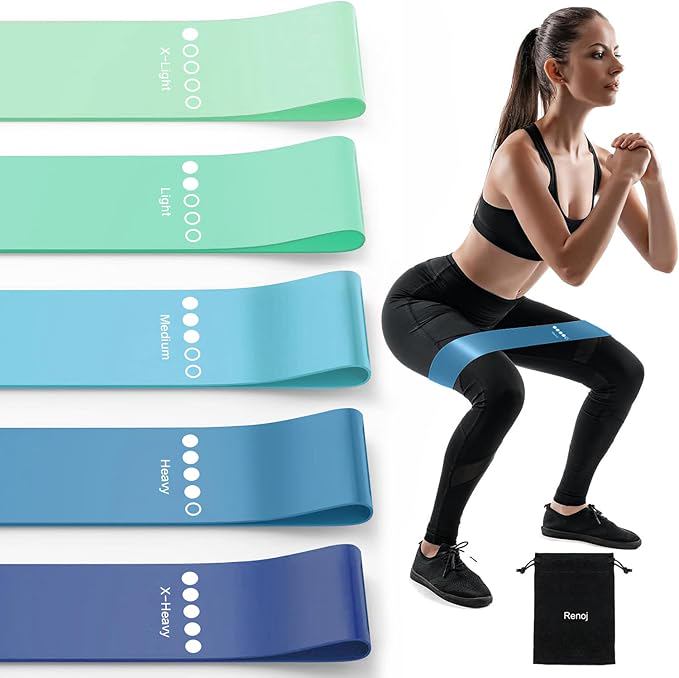
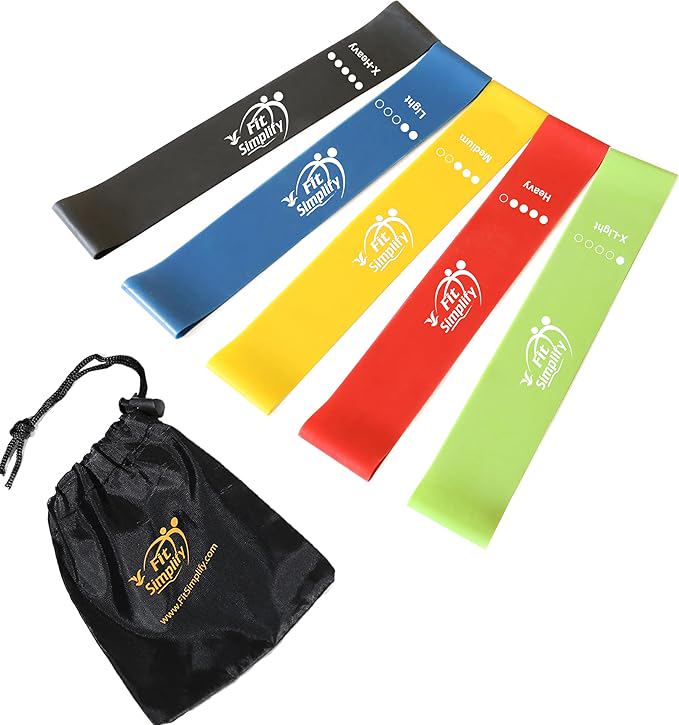
Focus on exercises that strengthen the muscles surrounding the most painful joints. For knees, that means the quadriceps, hamstrings, and glutes. Simple moves like wall sits, step-ups (use a low step at home), and bridges can be done without any equipment. For shoulders and elbows, exercises like rows and shoulder presses using light dumbbells or resistance bands help stabilize the joint.
Start conservatively: choose a resistance level where you can complete 12–15 repetitions with good form, but the last two reps feel challenging. Perform these exercises every other day to allow for recovery.
Heat, cold, and topical therapies
Non-pharmaceutical physical therapy can be very effective for acute pain. For a joint that feels stiff and achy, moist heat (a warm bath, a damp towel warmed in the dryer, a hot pack) delivered for 15–20 minutes can increase blood flow and relax tissues. This is often most helpful before exercise or in the morning to loosen up.
Conversely, if the joint feels hot, swollen, or inflamed (common in knees and hands after a day of activity), cold therapy (a gel pack wrapped in a thin cloth, or even a bag of frozen peas) applied for 10–15 minutes helps numb the area and constrict blood vessels to reduce swelling.
Some women also find relief from topical creams that contain menthol or capsaicin. These work by stimulating nerve endings in the skin, which can distract the brain from deeper joint pain signals. They are not a cure, but they can provide temporary symptom relief without the need for oral medication.
Mind-body practices for pain perception
Pain is never just a sensation—it is processed by the brain, which means your mental state plays a significant role in how much you suffer. Chronic pain can lead to a cycle of anxiety and tension, which further tightens muscles and makes joints feel worse. Mindfulness-based practices have decent evidence for reducing the intensity of arthritis-related pain.
Specifically, gentle yoga and tai chi combine slow, deliberate movement with breathwork and body awareness. They improve flexibility and balance while also training the mind to observe pain without reacting to it with panic. Many women report that consistent practice changes their relationship with discomfort—they still feel the sensation, but it bothers them less. A good starting point is a class labeled “chair yoga” or “gentle yoga” that avoids deep weight-bearing poses.
Getting enough sleep and managing stress
Sleep and joint pain have a bidirectional relationship. Pain makes it hard to sleep; lack of sleep lowers your pain threshold, making the same level of joint irritation feel worse. Reducing caffeine in the afternoon, keeping your bedroom cool (menopause often involves night sweats), and sticking to a consistent bedtime all support better sleep quality.
Stress management counts too. High cortisol levels from chronic stress can amplify inflammation throughout the body. Even simple deep breathing exercises (inhale for four counts, hold for four, exhale for six) done for a few minutes can lower the nervous system’s threat response, which in turn reduces muscle tension and perceived pain.
These strategies work best when used together, not in isolation. A woman who moves regularly, eats anti-inflammatory foods, strengthens her muscles, uses heat and cold appropriately, and practices stress reduction will likely see more improvement than one who tries just one approach. The goal is not to eliminate every twinge—some degree of joint sensitivity is normal during menopause—but to significantly reduce pain enough to maintain an active, fulfilling life without relying on medication.