For many women, pelvic floor health becomes a quiet concern that grows louder with age, pregnancy, or menopause. You might notice a nagging heaviness, leakage during a sneeze, or a vague sense that something isn't quite right. While kegel exercises often dominate the conversation, the foods you eat play a surprisingly direct role in the strength and resilience of these foundational muscles.
Experts increasingly point to diet as a cornerstone of pelvic floor support—not as a quick fix, but as a daily, sustainable strategy. The goal is to nourish the connective tissue, reduce chronic inflammation, prevent constipation (which strains the pelvic floor), and support the body's natural repair processes. Here is what researchers and pelvic health specialists recommend adding to your plate.
Why your diet matters for pelvic floor strength
The pelvic floor is a sling of muscles and fascia stretching from your pubic bone to your tailbone. Just like any other muscle in your body, it requires adequate protein for repair, collagen for structural integrity, and key micronutrients to function properly. A diet high in processed foods, low in fiber, or lacking in certain vitamins can weaken these tissues over time and increase the risk of prolapse or incontinence.
Chronic low-grade inflammation, often driven by excess sugar and refined carbohydrates, can degrade collagen and elastin—the proteins that give pelvic tissues their bounce and strength. Meanwhile, a diet low in fiber leads to constipation, and straining on the toilet is one of the most direct ways to damage the pelvic floor. The right foods address both fronts: they feed the tissues and keep bowel movements effortless.
Collagen-building foods
Collagen is the most abundant protein in the body and a primary structural component of the pelvic floor. As we age—and especially after menopause, when estrogen drops—natural collagen production declines. Eating foods that support collagen synthesis can help maintain the integrity of the fascia and ligaments.
Bone broth is often recommended because it is rich in glycine and proline, amino acids that are building blocks for collagen. You do not need to drink it by the quart; a cup several times per week in soups or stews can contribute. For those who prefer plant-based options, vitamin C is essential because it acts as a cofactor for collagen production. Bell peppers, citrus fruits, strawberries, and broccoli are excellent sources. Pair them with protein-rich foods like beans, lentils, or eggs to give your body the raw materials it needs.
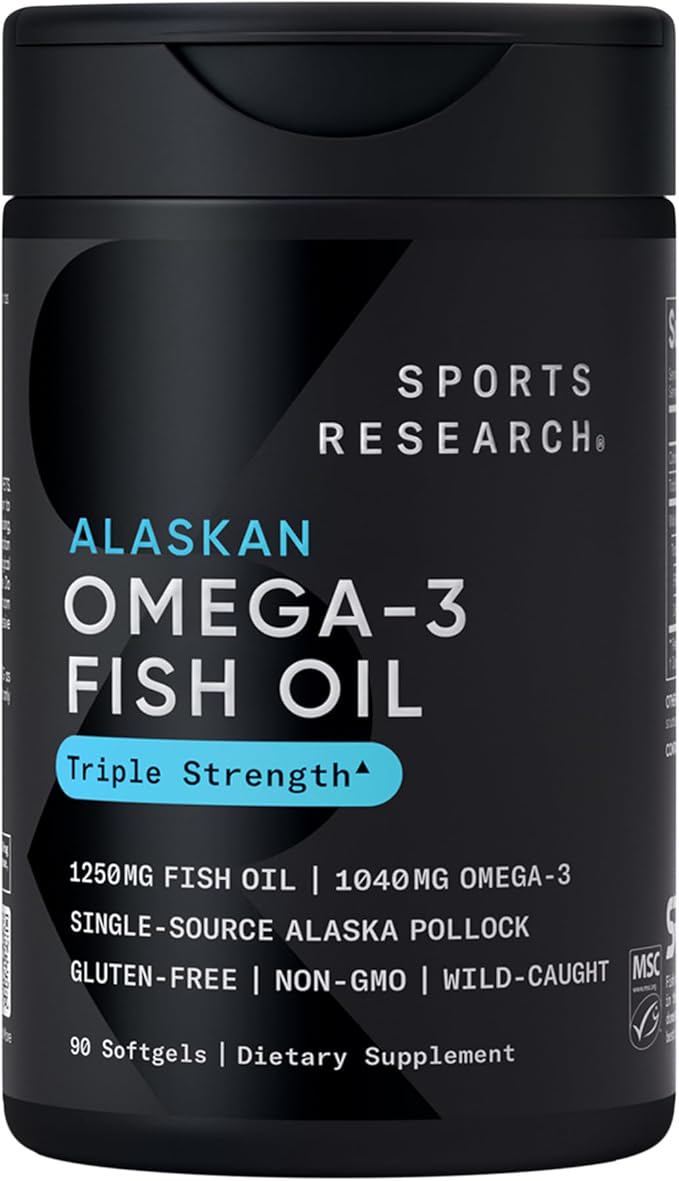
Fatty fish such as salmon, mackerel, and sardines provide omega-3 fatty acids, which help reduce inflammation that can break down collagen. Additionally, fish is a good source of high-quality protein for muscle repair.
A quick note on supplements: While collagen powders are widely available, whole food sources also provide the vitamins and minerals needed for absorption. There is no substitute for a balanced diet.
Fiber for gentle, regular bowel movements
Constipation is one of the greatest enemies of the pelvic floor. Every time you strain to pass stool, you put intense downward pressure on the muscles and connective tissues, which can stretch or weaken them over time. A high-fiber diet helps stool move through the colon smoothly, reducing the need to bear down.
The key is to increase fiber gradually and drink plenty of water—otherwise you can actually make constipation worse. Experts recommend a mix of soluble and insoluble fiber. Soluble fiber (found in oats, apples, carrots, and psyllium) absorbs water and softens stool. Insoluble fiber (found in wheat bran, nuts, and green beans) adds bulk and helps everything move along.
Ground flaxseed is a particularly pelvic-friendly choice. It contains both types of fiber plus lignans, which have mild estrogenic effects that may be beneficial for postmenopausal women. Try adding a tablespoon to yogurt, oatmeal, or smoothies. Prunes and pears are also natural laxatives that work gently without irritating the bowel.
- Best fiber sources: lentils, black beans, chia seeds, raspberries, artichokes, and broccoli.
- Hydration rule: For every 5–10 grams of fiber you add, increase your water intake by about 8 ounces.
Magnesium-rich foods for muscle relaxation
Magnesium is a mineral that plays a central role in muscle function. It helps muscles relax after contracting, and a deficiency can contribute to tension, spasms, and even difficulty with bowel movements. Many women with pelvic floor dysfunction—especially those with hypertonic (overly tight) pelvic floor muscles—may benefit from increasing their magnesium intake.
Dark leafy greens such as spinach and Swiss chard are excellent sources. Pumpkin seeds, almonds, cashews, and black beans also provide significant amounts. For a concentrated dose, try adding pumpkin seeds to a salad or snacking on a small handful of almonds daily. Some women find that magnesium-rich foods help reduce nighttime leg cramps and pelvic tension as well.
It is worth noting that magnesium citrate (found in supplements) can have a laxative effect, which may be beneficial for constipation, while magnesium glycinate is gentler on the stomach and better for relaxation. Whole food sources tend to provide a balanced profile without sudden digestive effects.
Vitamin D and calcium for muscle function
Vitamin D is often associated with bone health, but it also influences muscle strength and nerve signaling. Low vitamin D levels have been linked to pelvic floor disorders in some studies. Since vitamin D is not abundant in many foods, experts recommend getting your levels checked and focusing on the best dietary sources: fatty fish, egg yolks, and fortified dairy or plant milks.
Calcium works closely with magnesium to regulate muscle contraction and relaxation. Dairy products like yogurt and kefir provide both calcium and probiotics, which support gut health—and a healthy gut means less bloating and pressure on the pelvic floor. For non-dairy options, fortified tofu, sardines (with bones), and collard greens are reliable sources.
Foods to limit for pelvic floor health
No single food will ruin your pelvic floor, but certain dietary patterns can make symptoms worse over time. Caffeine is a mild diuretic and can irritate the bladder in some women, increasing urgency and frequency of urination. If you struggle with incontinence, consider cutting back on coffee, black tea, and energy drinks.
Acidic and spicy foods—think citrus juices, tomato sauce, and chili—can aggravate the bladder lining in sensitive individuals. Carbonated beverages, both regular and diet, can cause bloating that increases intra-abdominal pressure. And while alcohol in moderation may be fine, it can dehydrate the body and relax the pelvic floor muscles temporarily, potentially leading to leakage.
Sugar deserves special mention: high sugar intake promotes inflammation and can destabilize blood glucose, which affects energy levels and tissue repair. Reducing added sugars from sweets, sodas, and processed snacks supports overall tissue health.
Putting it into practice: a day of pelvic-friendly eating
Building a pelvic-floor-supportive diet does not require a complete overhaul. Start with small, consistent swaps. Here is what a sample day might look like:
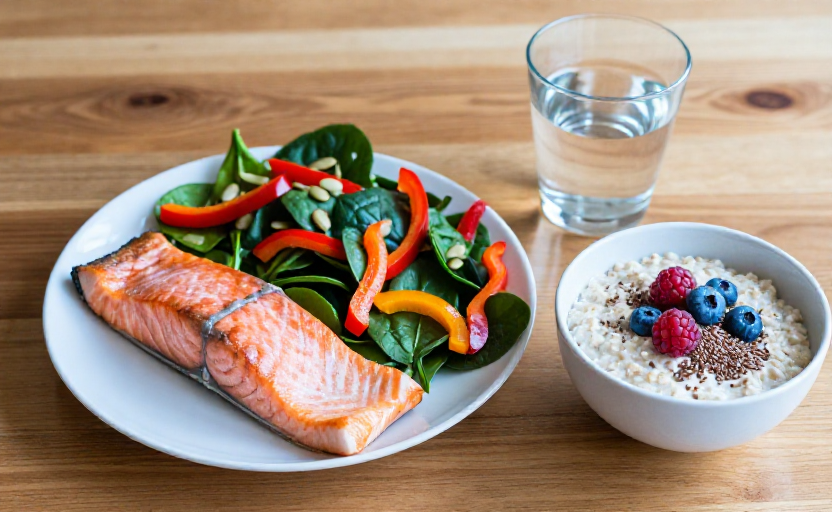
- Breakfast: Oatmeal with ground flaxseed, berries (for vitamin C), and a dollop of plain yogurt.
- Lunch: Spinach salad with grilled salmon, sliced bell peppers, pumpkin seeds, and a lemon-tahini dressing.
- Snack: An apple with a small handful of almonds.
- Dinner: Lentil and vegetable stew with a side of steamed broccoli, cooked in bone broth if you eat it.
- Hydration: Water throughout the day, aiming for half your body weight in ounces as a general guideline.
This pattern provides protein, fiber, magnesium, vitamin C, and omega-3s—all working together to support the muscles and connective tissue that hold everything in place.
Finally, remember that diet works synergistically with other habits. Staying well-hydrated, managing stress (which can tighten the pelvic floor), and avoiding prolonged sitting or heavy lifting all contribute. If you are experiencing noticeable symptoms like leakage or a bulging sensation, consult a pelvic floor physical therapist or your healthcare provider. They can assess your individual situation and help you create a plan that includes both dietary changes and targeted exercises.