
After menopause, many women notice a sudden change in their skin. It can feel thinner, drier, and less springy. The mirror shows a loss of that youthful fullness, often called plumpness. This is not a surface issue. It is a deep physiological shift driven by declining estrogen. Estrogen directly stimulates collagen and elastin production, and it helps your skin hold onto moisture. When levels drop, so does your skin's ability to stay hydrated and structurally firm.
The good news is that what you put into your body, specifically what you drink, can make a meaningful difference. While no beverage is a magic eraser for wrinkles, certain drinks provide the specific nutrients your skin needs to restore its bounce from the inside out. Here is what experts recommend adding to your daily routine for better skin plumpness after menopause.
Why hydration alone isn't enough
Drinking water is the baseline for health, but after menopause, your skin needs more than just plain H2O. The barrier function of the skin becomes compromised. It loses its ability to hold onto water, so even if you drink enough, much of it passes through without being retained in the dermis where it matters most for plumpness.
To counteract this, you need drinks that provide specific compounds: electrolytes for cellular hydration, collagen peptides for structural repair, and antioxidants to protect the fragile lipid barrier. The best drinks combine hydration with these targeted nutrients.
The top drink: A daily protein-rich bone broth or collagen tea
Dermatologists and functional medicine practitioners often point to bone broth or a high-quality collagen peptide drink as the single most effective beverage for supporting skin structure after menopause. Why? Because they are rich in type I and type III collagen, the specific forms that make up the skin's scaffolding.
When you consume hydrolyzed collagen, your body breaks it down into amino acids like glycine, proline, and hydroxyproline. These act as building blocks to signal your own fibroblasts to produce new collagen and elastin fibers. One study in the journal Nutrients found that women who consumed collagen peptides for eight weeks showed significant improvements in skin hydration, elasticity, and density compared to a placebo group.
You do not need a fancy powder. A warm cup of bone broth (made from chicken or beef bones simmered with vegetables) counts perfectly. For convenience, look for an unflavored collagen peptide powder that dissolves in hot water or coffee. Drink it daily, not as a quick fix, but as a consistent nutritional support.
Choose bone broth that is simmered for at least 12 hours to maximize the release of gelatin and amino acids. If using powder, verify it is sourced from pasture-raised animals to avoid contaminants.
Green tea: The antioxidant powerhouse for skin barrier repair
Green tea is not just for weight loss. It contains a unique class of antioxidants called catechins, especially epigallocatechin gallate (EGCG). These compounds do something crucial for menopausal skin: they reduce inflammation and protect the lipid barrier that keeps moisture inside.
Think of your skin barrier as a brick wall. The skin cells are the bricks, and the lipids (ceramides, cholesterol, fatty acids) are the mortar. After menopause, the mortar degrades. Catechins in green tea help strengthen this mortar by neutralizing free radicals that damage the lipid layers. Drinking two to three cups of unsweetened green tea daily can lead to measurable improvements in skin hydration and reduce the appearance of fine lines over several weeks.
Just do not add sugar or honey. Sugar triggers glycation, a process where sugar molecules attach to collagen fibers and stiffen them, making skin look dull and less plump. A slice of lemon is a better choice—it also adds vitamin C, which is essential for collagen synthesis.
Coconut water or electrolyte blends for cellular hydration
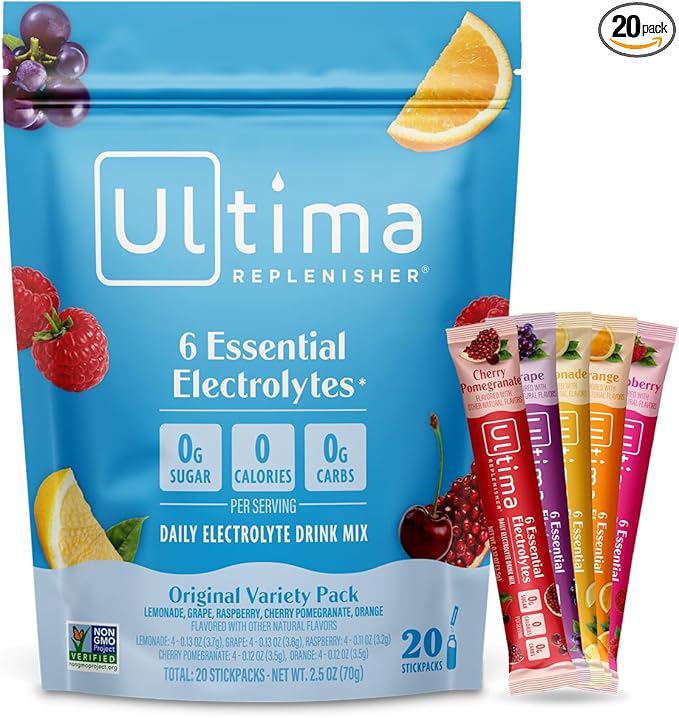
Plain water often fails to reach the deeper layers of menopausal skin because the cells lack the minerals needed to pull water in. This is where natural electrolyte drinks like coconut water or a simple mineral electrolyte blend come in.
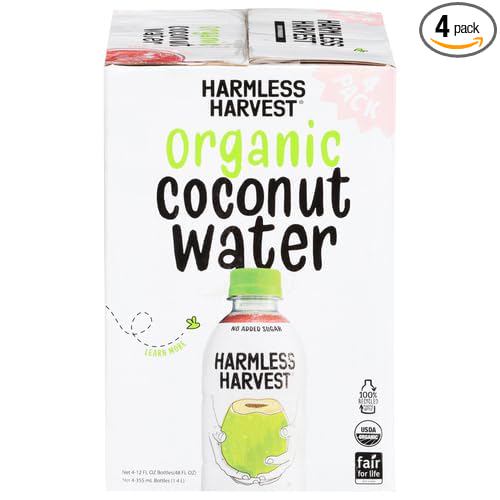
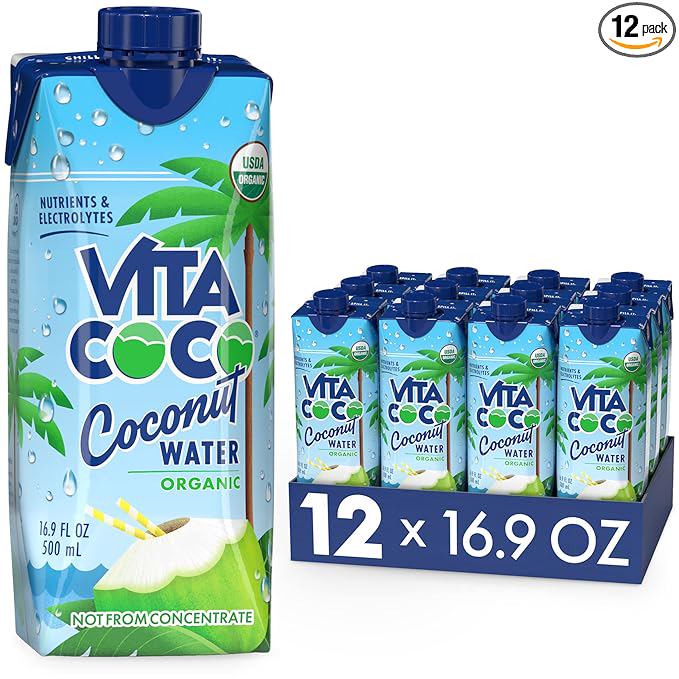
Coconut water is naturally rich in potassium, magnesium, and sodium in a balanced ratio that mimics the body's own electrolyte composition. Magnesium is particularly important because it helps water move into cells through aquaporin channels. Without sufficient magnesium, water sits in the bloodstream and gets excreted rather than plumping up your skin cells.
For best results, have a glass of coconut water (unsweetened) or a pinch of high-quality sea salt in your water after exercise or during the afternoon slump. This simple shift can dramatically improve how your skin feels by the end of the day—less dehydrated, more bouncy.
Foods that work like drinks: Smoothies for targeted nutrients
Smoothies blur the line between food and drink, and they are an excellent vehicle for skin-plumping ingredients. A well-designed menopausal skin smoothie can deliver hydration, collagen cofactors, and healthy fats all at once.
Blend these ingredients together for a powerful synergy:
- Water or unsweetened almond milk as the base (skip juice to avoid sugar spikes).
- Collagen peptides or gelatin (one scoop).
- Frozen berries (rich in vitamin C and anthocyanins that protect collagen).
- Half an avocado (provides healthy monounsaturated fats that support the lipid barrier).
- Handful of spinach (adds iron and vitamin E).
Drinking this smoothie three to four times a week can noticeably improve skin tone and texture by delivering the raw materials for plumpness in a form your body readily absorbs.
What to avoid: The worst drinks for skin
If you are trying to improve skin plumpness, what you stop drinking matters as much as what you start. Two main offenders are alcohol and sugary beverages.
Alcohol is a diuretic. It dehydrates every cell, including skin cells. Regular consumption can permanently damage the skin's ability to hold water. Even one glass of wine can reduce skin hydration for 24 hours. Excess alcohol also depletes vitamin A, a nutrient critical for skin repair.
Sugary drinks (soda, sweetened tea, fruit juice cocktails) promote glycation, as mentioned earlier. Glycation creates advanced glycation end products (AGEs) that make collagen stiff and brittle. The result is skin that looks sallow and less plump, no matter how many collagen drinks you consume.
FAQ
Can drinking collagen powder really replace what menopause takes away? No, it cannot fully replace the structural loss caused by estrogen decline, but it provides the amino acid building blocks that signal your body to produce more of its own collagen. Consistent daily intake over several weeks shows measurable improvements in skin thickness and hydration.
How long after starting these drinks will I see results in my skin? Skin cell turnover takes about 28 days for younger adults and up to 40–60 days after menopause. Most studies show initial improvements in hydration at around four weeks, with more noticeable plumpness and elasticity at eight to twelve weeks.
Is it better to drink cold or warm beverages for skin benefits? Temperature matters less than the nutrients themselves, but warm beverages (like bone broth or tea) may improve digestion and absorption slightly more than cold drinks. The bigger factor is consistency—drinking them daily matters more than whether they are hot or cold.
Can caffeine from coffee or tea undo the skin benefits? Moderate caffeine (one to two cups per day) does not harm skin plumpness for most people, provided you also drink enough water or electrolyte fluids. The bigger issue is if caffeine replaces hydrating drinks or disrupts sleep, since poor sleep accelerates skin aging.