
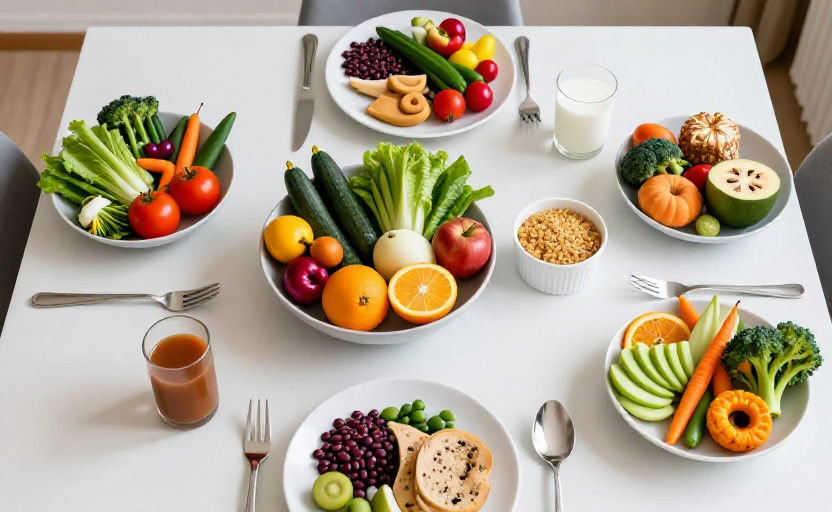
When you think about strengthening your immune system, your first instinct might be to reach for a vitamin C supplement or drink more orange juice. But dietitians will tell you that a truly resilient immune response starts much deeper — in your gut. The community of microorganisms living in your digestive tract plays a central role in how your body defends itself. And the most effective way to support that community is through a consistent, well-planned weekly eating pattern.
Below, we break down what an immune-supporting meal pattern looks like, why the gut is so important, and exactly which foods dietitians prioritize to keep your defenses strong.
Why the Gut Is Central to Immune Health
Your gastrointestinal tract is home to trillions of bacteria, fungi, and other microbes — collectively known as the gut microbiome. A large portion of your immune cells actually reside in the gut wall, where they interact constantly with these microorganisms. When your gut microbiome is diverse and balanced, it helps regulate inflammation, fend off pathogens, and even strengthen the lining of your intestines so that harmful substances cannot leak into the bloodstream.
Modern habits — like eating processed foods, drinking alcohol, smoking, overusing antibiotics, and chronic stress — can upset that balance. A less diverse microbiome is linked to increased inflammation and a weaker immune response. The good news: diet is one of the most powerful tools we have to shape the microbiome in a positive direction.
The Two Key Players: Probiotics and Prebiotics
An immune-supporting meal pattern relies on two categories of nutrients that work together.
Probiotics are live beneficial bacteria. When you eat them regularly, they can add to the population of good microbes in your gut. Fermented foods are nature's richest source: yogurt with live cultures, kefir, sauerkraut, kimchi, miso, tempeh, and traditional buttermilk all deliver probiotics.
Prebiotics are a type of dietary fiber that feeds the good bacteria already living in your colon. They do not contain live microbes themselves, but they encourage your native beneficial bacteria to flourish. Fruits, vegetables, whole grains, legumes, nuts, and seeds are your best sources of prebiotic fiber. Specifically, foods like garlic, onions, leeks, asparagus, bananas, oats, and Jerusalem artichokes are especially rich in these gut-friendly fibers.
Think of prebiotics as fertilizer for the healthy bacteria that probiotics supply. You need both for a thriving gut ecosystem.
Building a Week of Immune-Supporting Meals
Dietitians recommend aiming for at least 30 different plant foods per week — the science suggests that variety is more important than any single "superfood." Each type of plant feeds different bacterial species, so diversity directly supports a more resilient microbiome. Here is how a week might look in practice, focusing on the core foods that support immunity.
What to Put on Your Plate Every Day
- Vegetables at every meal. Leafy greens, cruciferous vegetables (broccoli, cabbage, kale), bell peppers, carrots, and tomatoes all provide prebiotic fiber and a wealth of vitamins A, C, and K.
- Fruit, especially berries, citrus, and apples. These deliver vitamin C, flavonoids, and pectin, a prebiotic fiber that supports butyrate-producing bacteria (butyrate is a short-chain fatty acid that helps regulate immune cells).
- Whole grains and legumes. Oats, barley, quinoa, lentils, chickpeas, and beans are packed with prebiotic fibers like beta-glucan and resistant starch.
- A serving of fermented food. A few spoonfuls of sauerkraut with lunch, a glass of kefir with breakfast, or miso in a soup can provide live probiotics.
- Healthy fats. Olive oil, avocados, nuts, and seeds contain anti-inflammatory compounds that support overall immune function.
Sample Day: An Immune-Focused Menu
- Breakfast: Oatmeal made with rolled oats, topped with sliced banana and a dollop of yogurt (probiotics + prebiotic fiber from oats and banana).
- Lunch: A large salad with mixed greens, shredded carrots, bell peppers, chickpeas, and a miso-tahini dressing (vegetable diversity, prebiotic fiber from chickpeas and miso).
- Dinner: Grilled salmon with roasted asparagus and a side of quinoa (omega-3s from salmon support immune regulation; asparagus is prebiotic-rich).
- Snacks: An apple with almonds, or a small bowl of kefir with berries.
Foods That Can Weaken Your Immune Support
Just as important as what you add is what you limit. Dietitians point to several common culprits that can disrupt gut balance and, over time, impair your immune response:
- Ultra-processed foods and added sugars (they feed less desirable bacteria)
- Excessive alcohol (damages gut lining and reduces microbial diversity)
- Frequent use of antibiotics without medical necessity (they kill both harmful and beneficial bacteria)
- Chronic stress and poor sleep (both alter the gut microbiome indirectly)
A Note on Supplements
A healthy eating pattern is the foundation, but some people find it difficult to consume enough fermented foods or prebiotic-rich produce consistently. In those cases, dietitians sometimes suggest a probiotic or prebiotic supplement. However, food sources are generally preferred because they come packaged with other beneficial nutrients (vitamins, minerals, polyphenols) that supplements cannot replicate. If you do consider supplements, it is always wise to consult with a healthcare professional first — no single pill can replace the complex synergy of a varied whole-foods diet.
Building immunity is not about one "power food" or a short-term cleanse. It is about establishing a weekly rhythm that prioritizes fiber-rich plant foods, fermented ingredients, and consistent variety. Your gut microbiome will respond to what you eat most of the time — so make that pattern work in your favor.