In the quiet moments between tasks, or during a wave of afternoon mental fog, what you reach for to drink can be a small but powerful act of self-care. It’s not just about quenching thirst; certain beverages contain compounds that can gently nudge your brain toward a state of calm alertness, helping to steady your focus and ease feelings of anxiety. Dietitians often look beyond the quick fix of caffeine, pointing toward a variety of drinks that nourish the nervous system without the jitters or subsequent crash.
The goal isn’t to find a magic potion, but to incorporate supportive, hydrating choices throughout your day. These are the sips that can help build a foundation for mental clarity and resilience.
Why What You Drink Affects Your Mind
Your brain is about 75% water, and even mild dehydration can impair concentration, memory, and mood. Beyond basic hydration, many plants and herbs contain adaptogens, amino acids, and antioxidants that interact with our neurochemistry. Some compounds, like L-theanine in tea, promote alpha brain waves associated with relaxed focus. Others provide magnesium, a mineral crucial for nerve function that many people don’t get enough of. The ritual of preparing and slowly drinking a warm beverage can also signal to your nervous system that it’s time to pause and reset, engaging the parasympathetic “rest and digest” state.
Top Dietitian-Recommended Drinks for Focus and Calm
While individual needs vary, several beverages consistently come up in conversations with nutrition professionals for their supportive roles.
Green Tea
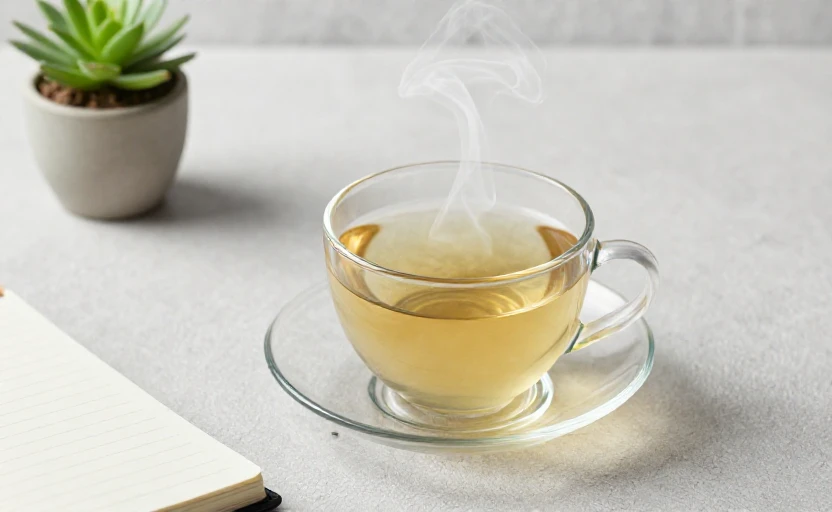
Green tea is a classic for good reason. It offers a modest amount of caffeine for alertness, paired with a high concentration of L-theanine. This amino acid promotes a state of calm focus by increasing GABA, dopamine, and alpha wave activity in the brain. The result is often described as alert yet not anxious—a smooth, sustained energy. Opt for ceremonial-grade matcha for an even more concentrated source, as you’re consuming the whole leaf powder.
For a gentler effect, try brewing your green tea with water slightly below boiling to reduce bitterness and preserve its delicate compounds.
Chamomile Tea
Long revered as a bedtime tea, chamomile’s benefits extend to daytime anxiety relief. Its calming properties are linked to apigenin, an antioxidant that binds to certain receptors in the brain, similar to how some medications work, to reduce anxiety and initiate sleep. Sipping a cup during a stressful work period can act as a mild sedative for your nervous system, helping to take the edge off without causing drowsiness for everyone.
Peppermint Tea
The invigorating scent of peppermint alone can be clarifying. Drinking it as a tea may help enhance concentration and memory. Research suggests peppermint aroma can increase alertness and decrease frustration. It’s also a wonderful choice for settling an anxious stomach, which is often tied to feelings of stress.
Tart Cherry Juice
While often highlighted for sleep, tart cherry juice’s sleep benefits stem from its natural melatonin content. Better sleep directly improves next-day focus and emotional regulation. It’s also rich in antioxidants that combat inflammation, which is increasingly linked to mood disorders. Choose an unsweetened variety and consider a small serving, as it can be tart.
Lemon Balm Tea
This lemony herb from the mint family has a notable reputation for easing anxiety and stress while simultaneously improving cognitive performance. Studies indicate it can positively affect mood and calmness. It’s gentle, safe, and a lovely caffeine-free option for when you need to settle your thoughts.
Warm Water with Lemon and Ginger
Sometimes simplicity is best. Starting your day with warm water and a squeeze of lemon provides hydration and vitamin C, while ginger adds a anti-inflammatory kick and can soothe digestive discomfort linked to anxiety. This combination is hydrating, gentle on the stomach, and provides a refreshing ritual that doesn’t rely on caffeine.
Drinks to Approach with Caution
Not all beverages support a calm, focused state. Dietitians often suggest moderating or timing these carefully:
- High-Caffeine Energy Drinks & Coffee: While a morning coffee can boost alertness, excessive caffeine (or consuming it late in the day) can heighten anxiety, disrupt sleep, and lead to a crash that harms focus. Sensitivity varies greatly.
- Sugary Sodas and Juices: The rapid spike and crash in blood sugar can mirror itself in your energy and focus levels, leading to irritability and brain fog.
- Alcohol: Though it may seem relaxing initially, alcohol is a depressant that disrupts sleep architecture and can increase anxiety as it wears off.
The key is awareness. Notice how your body and mind respond to different drinks at different times.
Building a Supportive Drinking Routine
It’s less about a single miracle drink and more about consistent, mindful habits.
- Start Hydrated: Begin your day with a full glass of water. Dehydration mimics and worsens anxiety and fatigue.
- Schedule Your Sips: Have a calming tea like chamomile or lemon balm before a known stressful event, like a big meeting. Use green tea for an afternoon focus boost instead of a third coffee.
- Listen to Your Body: Cravings often signal needs. A craving for something warm and soothing might mean you need a moment of calm, not just the drink itself.
- Make It a Ritual: The act of boiling water, steeping tea, and taking a few mindful breaths as you drink is itself an anxiety-reducing practice.
Remember, these beverages are tools for support, not substitutes for professional medical care for chronic anxiety or focus disorders. But as part of a holistic approach to well-being, choosing your drinks with intention is a simple, accessible step toward a clearer, calmer mind.