
Getting a good night's sleep often starts long before your head hits the pillow. For many people, the question of whether to eat something before bed — and if so, what — can make the difference between tossing and turning and drifting into deep, restorative rest. Dietitians who specialize in sleep and nutrition agree that the right pre-bed snack can support calmness and sleep quality, while the wrong one can sabotage your efforts.
Rather than avoiding food entirely before bed, the key is choosing a combination of nutrients that work with your body's natural sleep-wake cycle. Here's what the experts recommend for a snack that helps you fall asleep faster and stay asleep longer.
Why a small snack can help, not hurt
Conventional wisdom once said eating before bed was a bad idea. But for many people, going to bed hungry is actually worse. Low blood sugar can trigger the release of cortisol and adrenaline, which keep the body alert and interfere with sleep onset. A small, balanced snack can prevent that blood sugar drop and help the brain produce the chemicals it needs for sleep.
Dietitians emphasize that timing matters. Aim to eat your snack about 30 to 60 minutes before bed. This gives your body enough time to begin digestion without sending you to bed with a full, uncomfortable stomach. Portion size is also important — think a small bowl or a single serving, not a full meal.
The nutrient combination that supports sleep
To understand what makes a good pre-bed snack, it helps to know how sleep works in the body. The brain produces melatonin, the sleep hormone, in response to darkness. The production of melatonin is influenced by the availability of tryptophan, an amino acid that acts as a precursor to serotonin and then melatonin. The catch is that tryptophan has to compete with other amino acids to cross the blood-brain barrier. Carbohydrates can help tip the balance in tryptophan's favor by triggering the release of insulin, which clears competing amino acids from the bloodstream.
That's why dietitians often recommend a snack that contains both a complex carbohydrate and a source of protein or healthy fat. The carbohydrate helps make tryptophan more available to the brain, and the protein provides the tryptophan itself. This pairing also helps stabilize blood sugar overnight, which prevents middle-of-the-night wake-ups.
"A small snack that combines complex carbs with a little protein is often the sweet spot for sleep," says registered dietitian nutritionist and sleep specialist. "Think of it as giving your brain the raw materials it needs to produce melatonin."
Best pre-bed snack options, according to dietitians
These are some of the most commonly recommended snacks that align with the carbohydrate-protein balance and also offer other sleep-friendly nutrients like magnesium, calcium, and potassium.
- Banana with almond butter. Bananas provide magnesium and potassium, which help relax muscles. The almond butter adds a small amount of protein and healthy fat, plus additional magnesium. A half a banana with one tablespoon of almond butter is a good portion.
- Cherries or tart cherry juice. Tart cherries are one of the few natural food sources of melatonin. A small glass of tart cherry juice or a handful of dried cherries can help boost melatonin levels. Pairing it with a few whole-grain crackers adds the carbohydrate component.
- Whole-grain toast with avocado. Avocado is rich in magnesium and healthy fats that support stable blood sugar. Whole-grain toast provides complex carbohydrates. A thin slice or two is enough.
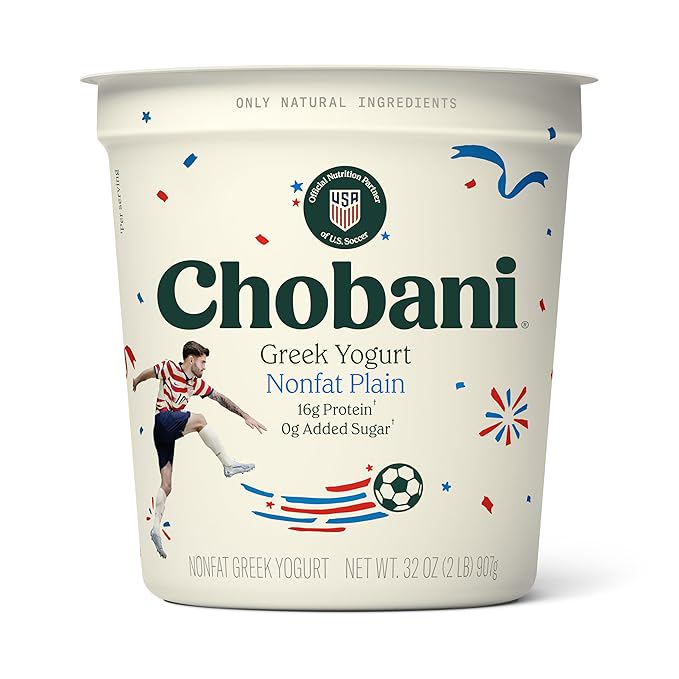
- Plain Greek yogurt with berries. Greek yogurt is a good source of calcium, which helps the brain use tryptophan to produce melatonin. Berries add fiber and antioxidants. Stick to plain yogurt to avoid added sugars, which can disrupt sleep.
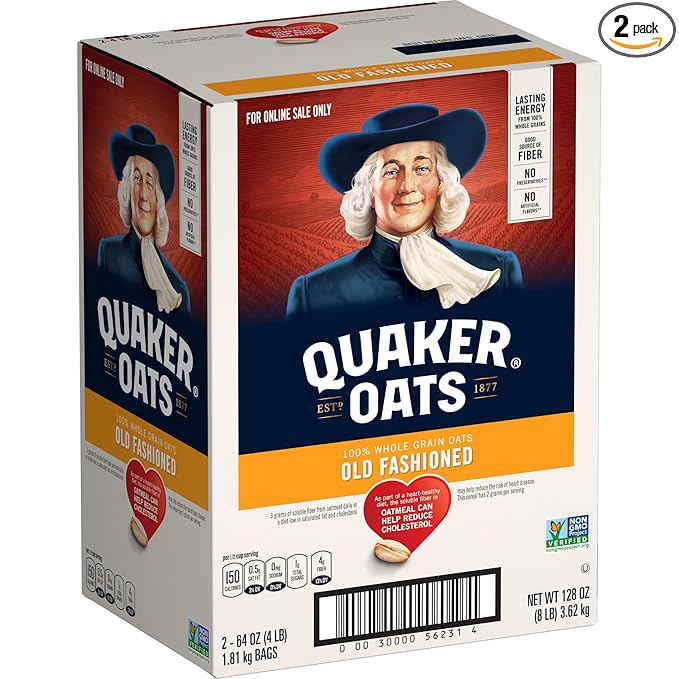
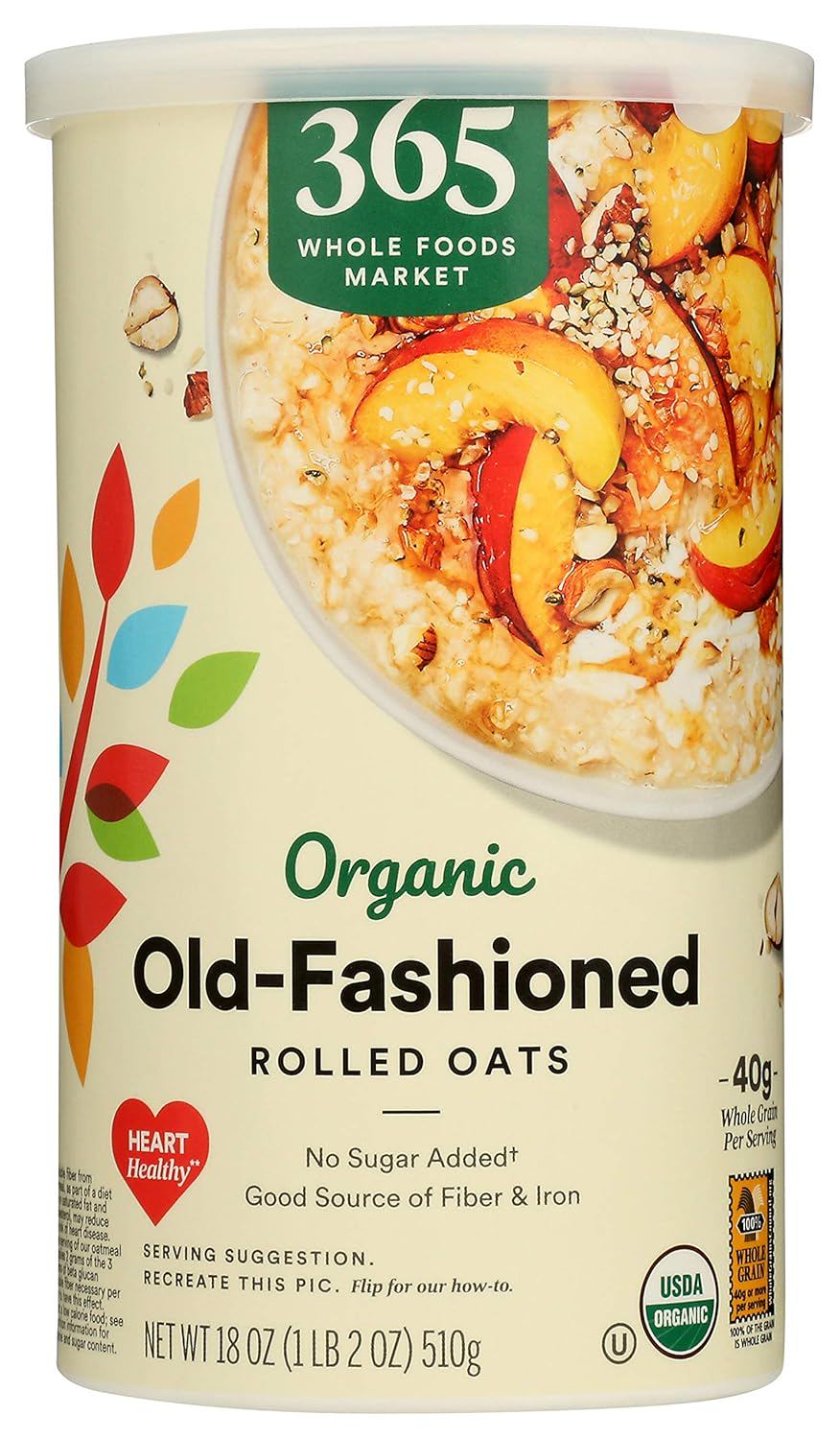
- Oatmeal made with milk. Oats are a source of complex carbohydrates and melatonin. Milk provides tryptophan and calcium. A small, warm bowl — about half a cup of cooked oatmeal — can be very soothing before bed.
- Warm milk with a dash of nutmeg. This classic remedy has some science behind it. Milk contains tryptophan, and the warmth can have a calming psychological effect. Nutmeg in small amounts is traditionally used in some cultures to support sleep.
What to avoid before bed
Just as important as what to eat is what to skip. Dietitians advise steering clear of these items in the hour or two before bed:
- Caffeine. This includes coffee, black tea, green tea, soda, and chocolate. Caffeine can stay in your system for hours and interferes with adenosine, a chemical that promotes sleep.
- Spicy or acidic foods. These can cause heartburn or indigestion, which makes falling asleep uncomfortable.
- Heavy, high-fat meals. A large or fatty meal takes longer to digest and can disrupt sleep quality.
- Alcohol. While alcohol may help you fall asleep initially, it fragments sleep later in the night and reduces overall sleep quality.
- Added sugars. Sugary snacks cause a rapid spike and then crash in blood sugar, which can wake you up.
A note on individual needs
What works for one person may not work for another. People with acid reflux, for example, may need to avoid eating anything within two to three hours of bedtime. Those with diabetes need to be especially careful about carbohydrate amounts and timing to manage overnight blood sugar. If you have a medical condition or are unsure what's right for you, consulting a dietitian or your healthcare provider is a good idea.
Ultimately, the best pre-bed snack is one that fits your personal tolerance, doesn't leave you hungry or overly full, and supports a calm transition to sleep. A little experimentation with the options above can help you find what works best.