The afternoon slump is real. You eat a lunch that seems perfectly fine, yet by 2:30 p.m., your brain feels foggy, your energy drops, and you're reaching for a second cup of coffee or something sugary. What you eat at midday has a direct effect on how you think and feel for the next several hours. Here is what registered dietitians look for when building the ideal lunch for focus and energy that lasts.
What makes a lunch good for energy and focus?
According to dietitians, the key is balance—specifically a combination of carbohydrates, protein, and fat. Carbohydrates supply glucose to the brain for quick energy, protein provides amino acids that support neurotransmitter function, and fat helps slow digestion for steady blood sugar levels. Meal timing and portion size also matter, because too much food can make you feel sluggish, and too little can leave you hungry and distracted.
Build your plate around protein, healthy fat, and fiber-rich carbs
The most reliable approach is to choose a lean protein source like grilled chicken, tofu, beans, or fish; include a source of healthy fat such as avocado, nuts, or olive oil; and add vegetables or whole grains for fiber. For example, a quinoa bowl with roasted vegetables, chickpeas, and a tahini dressing meets this formula. The fiber in whole grains and vegetables helps stabilize blood sugar, preventing the energy crash that comes after eating refined or sugary meals. According to dietitian Dawn Jackson Blatner, this combination helps maintain mental clarity longer than a carb-heavy meal without enough protein.
Don't eat too late—timing counts
The body’s natural circadian rhythm influences digestion and energy metabolism. Eating lunch later than 2 p.m. can interfere with afternoon focus because the digestive system is slower in the afternoon. The consensus among dietitians is to eat lunch between 12 p.m. and 1 p.m. If you’re hungry in the late afternoon, a small snack like a handful of almonds or an apple can be a good bridge to dinner without disrupting your concentration.
Sample lunch ideas from dietitians
- Salmon salad wrap – Whole-grain tortilla or lettuce wrap with canned salmon, chopped celery, plain Greek yogurt, and fresh dill. Rich in omega-3 fatty acids for brain health.
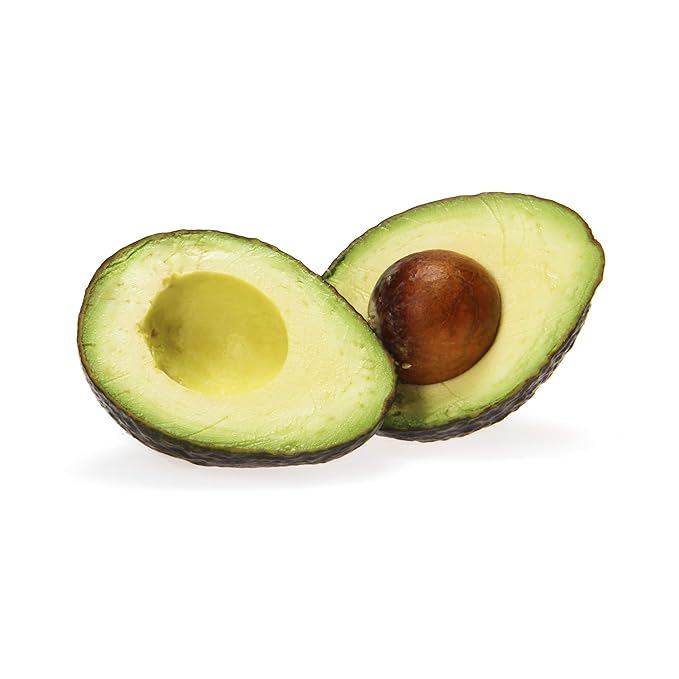
- Chicken and avocado bowl – Grilled chicken over mixed greens, black beans, corn, cherry tomatoes, sliced avocado, and a lime-cilantro vinaigrette.
- Lentil soup with a side – A hearty lentil or bean soup served with a small side salad dressed with olive oil and lemon. The lentils deliver protein and iron for steady energy.
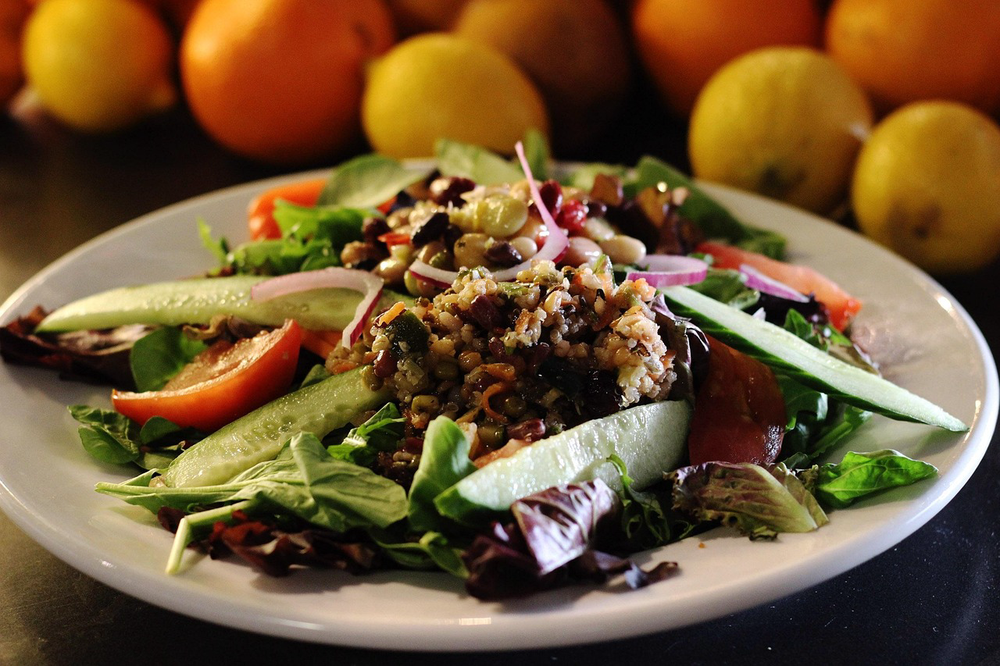
- Quinoa salad with chickpeas – Toss cooked quinoa with cucumber, bell pepper, parsley, feta, chickpeas, and a lemon-herb dressing.
What to avoid (or limit) at lunch
Refined carbohydrates and sugary foods—like white bread, pasta, soda, and pastries—cause a rapid spike in blood sugar followed by a sharp drop, which can lead to fatigue and brain fog. Dietitians also suggest avoiding meals that are very high in saturated fat, such as fried foods or heavy cheese dishes, because they take longer to digest and can make you feel sluggish. Caffeine in moderation is fine, but a large coffee should not replace solid food.
Hydration matters more than you think
Even mild dehydration affects memory, attention, and mood. Dietitians recommend drinking water with meals and paying attention to thirst throughout the day. Herbal tea, sparkling water, and eating water-rich fruits and vegetables like cucumbers or oranges also help maintain hydration without added sugar.
A balanced lunch eaten at the right time helps your brain function at its best. Protein, fiber, and healthy fat give you steady energy without the crash.
Listen to your own hunger and fullness cues
While general guidelines help, dietitians emphasize that personal preference and digestive tolerance matter. Some people feel best with a larger lunch, others perform better on smaller meals plus an afternoon snack. Pay attention to how different foods affect your focus and energy in the hour after eating, then adjust accordingly. The goal is not one perfect meal but a consistent, mindful approach to midday eating.