One-pan meals are a weeknight lifesaver, but relying on the same combination of vegetables, proteins, and grains can make even the most convenient dinner feel repetitive. Dietitians often point out that the real value of one-pan cooking isn't just the easy cleanup—it's the flexibility to swap ingredients based on what's in season, what's on sale, or what your body needs. Making smart substitutions keeps your meals interesting and can boost their nutritional profile without adding extra time or dishes.
The key is understanding which ingredients can trade places without messing up cooking times or textures. Here's what dietitians recommend when you're ready to mix up your one-pan meal prep.
Think about cooking time first
When swapping a vegetable or protein, consider how long each ingredient takes to cook. Dense root vegetables like potatoes or carrots need more time than quick-cooking zucchini or bell peppers. If you swap a slow-cooking vegetable for a fast one, you might end up with mush.
Dietitians suggest grouping ingredients by cook time. Dense vegetables can go in the pan first, followed by quicker items like cherry tomatoes or spinach in the last few minutes. The same logic applies to proteins: chicken thighs take longer than shrimp or tofu. If you replace chicken breast with tofu, cut the tofu into similar-sized pieces so it cooks evenly.
Swap grains and starches without losing texture
One-pan meals often feature a starch like potatoes, rice, or pasta. You can swap these, but you'll need to adjust the liquid and heat. Cauliflower florets can stand in for potatoes in a sheet pan dinner—they roast nicely in about the same time. Quinoa or farro can replace rice if you add a little extra broth to the pan, since they absorb more liquid.
Dietitians also point out that you can swap white potatoes for sweet potatoes or parsnips, which offer more fiber and micronutrients. Just keep the pieces roughly the same size to ensure even roasting.
Protein swaps that actually work
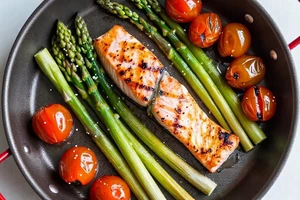
Swapping proteins is where many home cooks get tripped up. A fatty fish like salmon cooks faster and at a lower internal temperature than chicken. If you swap salmon for chicken in a recipe that calls for 400°F for 25 minutes, you'll end up with dry fish. Instead, add the salmon to the pan halfway through the chicken's cooking time, or choose a recipe designed for quick-cooking proteins.
Dietitians recommend keeping a few go-to protein swaps in mind: chickpeas or white beans can replace chicken in many sheet pan meals (they need about the same time as chicken if the pieces are small). Firm tofu or tempeh can stand in for fish when you want a plant-based option—just press and season them well before adding them to the pan.
Use herbs and spices to refresh a tired recipe
Sometimes a simple swap of seasonings transforms a one-pan meal without changing the main ingredients. Swap rosemary and thyme for cumin and coriander to take a dish from Mediterranean to Middle Eastern. Try smoked paprika and chili powder instead of Italian seasoning for a smoky flavor profile.
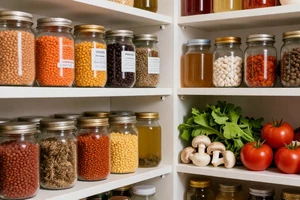
Dietitians love this approach because it encourages you to use what's already in your pantry and reduces food waste. A sprinkle of sumac or za'atar can make roasted vegetables taste entirely new.
Keep the fat and acid balanced
When you swap ingredients, pay attention to how they interact with oil and acid. A fatty fish like mackerel needs less olive oil than lean chicken breast. If you swap in a leaner protein, you might need an extra drizzle of oil to keep it moist. Similarly, if you swap sweet potatoes for regular potatoes, the natural sweetness may reduce the need for added sugar or honey.
Dietitians suggest tasting your seasoning before the meal goes into the oven. A squeeze of lemon or a splash of vinegar at the end can brighten flavors when you've swapped ingredients that change the dish's natural acidity.
Small swaps—like using broccoli instead of green beans or quinoa instead of rice—can add variety and nutrients without complicating your prep routine.
Watch for texture changes in vegetables
Different vegetables release different amounts of water as they cook. Mushrooms and eggplant release a lot of moisture, which can make your sheet pan meal soggy if you swap them for drier vegetables like bell peppers or green beans. If you're swapping in a high-moisture vegetable, consider roasting it on a separate section of the pan or giving it a head start in the oven.
Frozen vegetables can be a great swap for fresh in many one-pan recipes. They're already blanched, so they cook faster. Add them frozen directly to the pan during the last 10 minutes of cooking to avoid overcooking.
Use what you have to reduce food waste
Dietitians consistently recommend swapping ingredients based on what's already in your fridge to save money and reduce waste. If a recipe calls for kale but you have spinach, use the spinach—just add it later since it wilts faster. If you have leftover roasted chicken from last night, shred it and add it to the pan in the last five minutes of cooking instead of raw chicken.
One-pan meals are forgiving by design. The heat is dry and even, and the ingredients are typically cut into similar sizes. With a little attention to cook times and moisture content, you can swap almost anything and still end up with a satisfying, balanced dinner.