When it comes to the delicate skin around your eyes, crow's feet are often the first sign of aging that catches your attention in the mirror. While topical creams and serums get most of the spotlight, what you put on your plate might matter just as much. Nutrition plays a powerful role in skin health, and one nutrient in particular keeps coming up in conversations with dietitians: omega-3 fatty acids.
The connection between omega-3s and skin aging is not just anecdotal. These essential fats support the skin's structural integrity and help manage inflammation—two key factors in how early and how prominently fine lines appear. Here is what registered dietitians want you to understand about omega-3s and those little lines at the corners of your eyes.
Why omega-3s matter for the skin around your eyes
The skin around your eyes is the thinnest on your entire body. It has fewer oil glands, less collagen, and less elastin than the rest of your face. This makes it especially vulnerable to damage from inflammation and oxidative stress. Omega-3 fatty acids, particularly EPA and DHA found in fish, work at a cellular level to strengthen the skin cell membranes and support a healthy inflammatory response.
When your body has a good balance of omega-3s, your skin is better equipped to hold onto moisture, maintain its bounce, and resist the breakdown of collagen. Collagen loss is the primary driver of wrinkle formation, including crow's feet. Dietitian Dr. Sarah Mitchell explains, "Think of omega-3s as internal support for your skin's scaffolding. They don't erase existing lines, but they can slow the process that creates them."
How inflammation drives crow's feet formation
Chronic low-grade inflammation accelerates skin aging. This is where omega-3s offer real benefits. EPA, in particular, has strong anti-inflammatory properties. It helps reduce the production of inflammatory compounds that break down collagen and elastin fibers in the delicate eye area.
Common triggers for skin inflammation include UV exposure, pollution, stress, and dietary factors like excess sugar and processed oils. A diet rich in omega-3s helps counteract these effects. Research suggests that people with higher omega-3 intake tend to have less visible skin aging, including fewer fine lines, compared to those with lower intake.
"You can't spot-treat crow's feet with a salmon dinner," says dietitian Rachel Harper, RD. "But consistently including omega-3-rich foods helps your skin maintain its resilience over time."
Food sources dietitians recommend most
The most effective way to support your skin with omega-3s is through whole food sources. Here is what dietitians suggest adding to your regular rotation:
- Fatty fish — Salmon, mackerel, sardines, anchovies, and herring are the richest sources of EPA and DHA. Aim for two servings per week. Canned sardines and salmon are affordable and convenient options.
- Walnuts — A plant-based source of ALA, a precursor that your body partially converts to EPA. A small handful makes a good daily snack or salad topper.
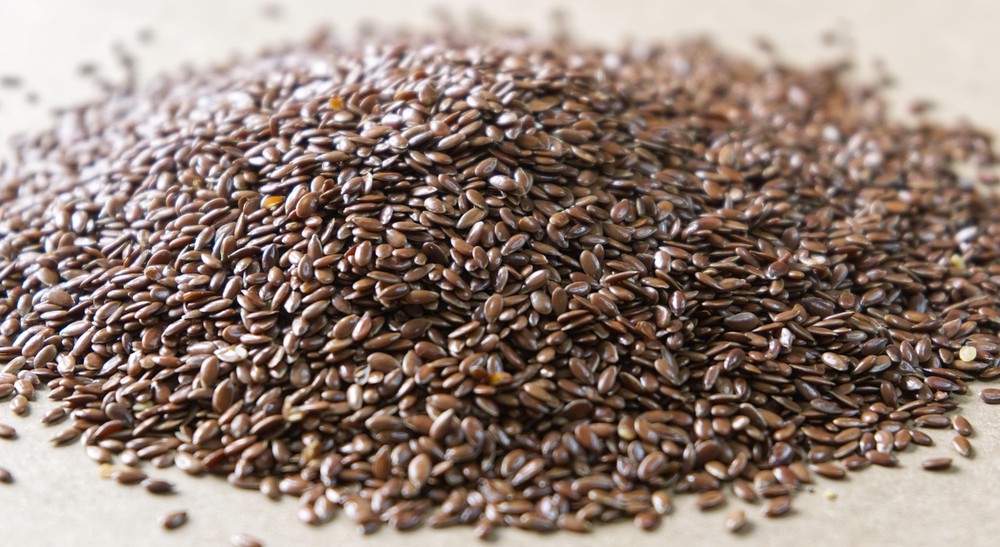
- Flaxseeds and chia seeds — Ground flaxseed offers ALA. Add a tablespoon to oatmeal, yogurt, or smoothies. Chia seeds also provide fiber and help with hydration.
- Hemp seeds — These contain a decent amount of ALA and have a mild, nutty flavor. Sprinkle them over avocado toast or salads.
- Algae oil — A direct vegan source of DHA. Some algae-based supplements provide EPA as well. It is a smart option if you do not eat fish.
Supplements: helpful but not a shortcut
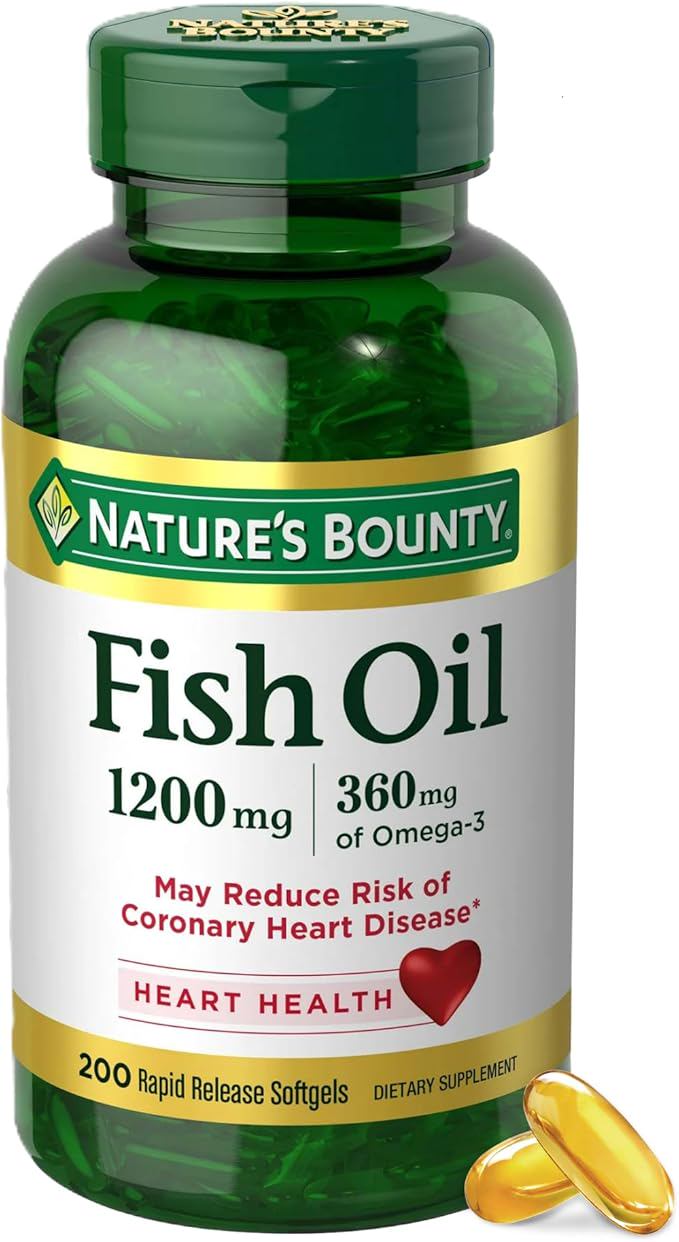
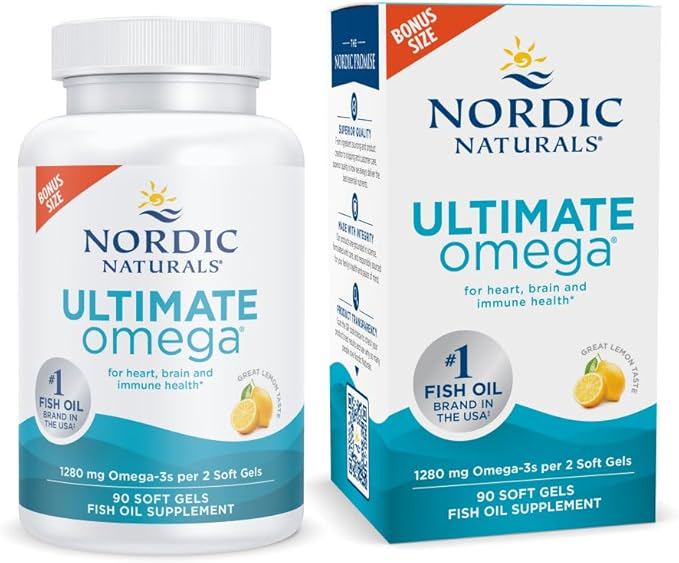
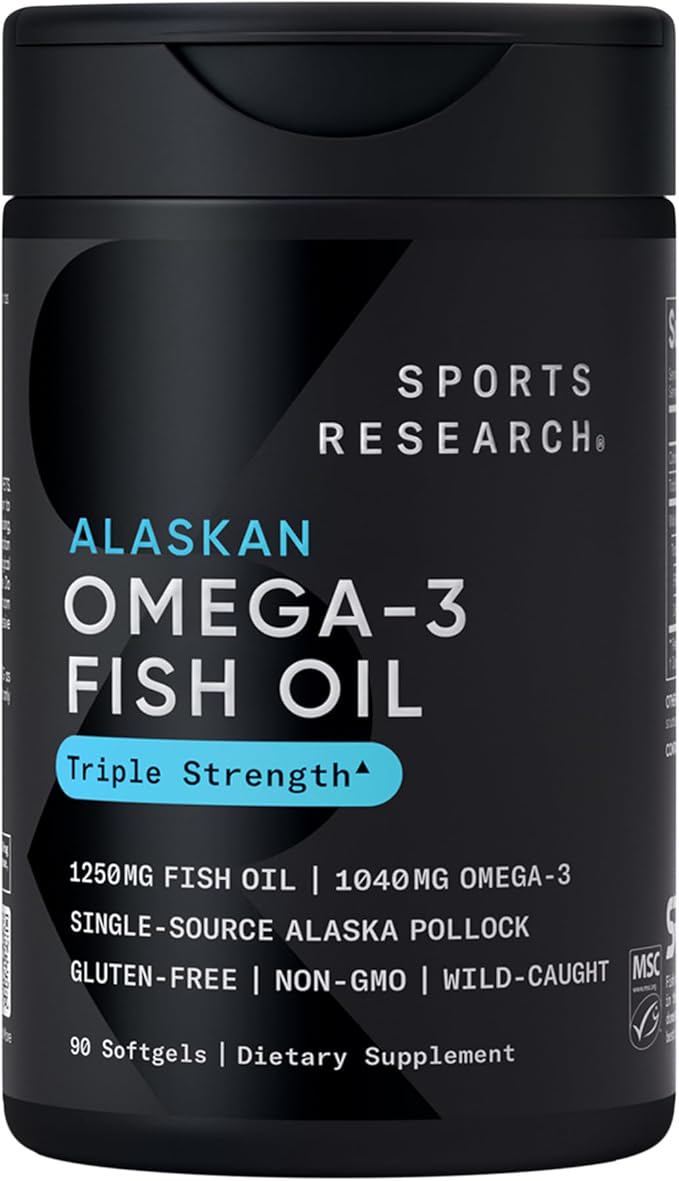
Dietitians generally recommend food first, but supplements can play a role if your diet falls short. Fish oil capsules are the most common option, but algae-based supplements are available for those who prefer plant-based choices. The key is consistency and quality. Look for supplements that have been third-party tested for purity and freshness.
Dr. Mitchell adds a caution: "Omega-3 supplements are not a replacement for sunscreen, a good moisturizer, or a balanced diet. They work best as part of a comprehensive skincare approach." Most adults need between 250 and 500 milligrams of combined EPA and DHA daily for general health, but individual needs vary. It is wise to check with your own healthcare provider before starting any supplement, especially if you take blood-thinning medication.
Other dietary factors that work alongside omega-3s
For the best results in preventing crow's feet, dietitians emphasize pairing omega-3s with other skin-friendly nutrients:
- Vitamin C — Essential for collagen synthesis. Find it in citrus fruits, bell peppers, strawberries, and broccoli.
- Vitamin E — A fat-soluble antioxidant that protects cell membranes. Nuts, seeds, and avocados are good sources.
- Zinc — Supports skin repair and helps control inflammation. Oysters, pumpkin seeds, and lentils provide zinc.
- Water — Hydration plumps the skin and makes fine lines less noticeable. Aim for adequate fluid intake throughout the day.
Avoiding excessive sugar and highly processed foods also helps. These foods promote inflammation and advanced glycation end products (AGEs), which stiffen collagen fibers and make wrinkles more prominent.
The bottom line
Omega-3s are not a miracle cure for crow's feet, but they are a valuable tool in your prevention toolkit. Dietitians agree that consistent intake from food sources, combined with sun protection and a nutrient-rich diet, gives your skin the best chance of staying smooth and resilient longer. Start with small changes—maybe salmon once a week and a sprinkle of flaxseed on your breakfast—and build from there.