If you have fine hair and a dry, flaky scalp, you may be searching for a solution that doesn't involve another product promising overnight thickness. Often, the issue traces back to what you eat. Omega-3 fatty acids are well-known for heart and brain health, but dietitians point out they also play a critical role in maintaining the scalp's protective barrier and supporting hair follicle function. When the scalp is dry and irritated, fine hair can lack the rich environment it needs to grow strong. Here's what experts want you to know about omega-3s and how they support both scalp comfort and hair resilience.
What makes omega-3s different for fine hair?
Fine hair strands are more delicate than thicker hair types, making them highly susceptible to dryness and breakage. The scalp, like the rest of your skin, relies on essential fatty acids to produce natural oils (sebum) that keep the skin barrier hydrated. A diet low in omega-3s can lead to a compromised scalp barrier, which often shows up as dry flakes, itchiness, and even inflammation. Dietitians explain that omega-3s, specifically eicosapentaenoic acid (EPA), help regulate the body's inflammatory response. When scalp inflammation is reduced, follicles can operate more efficiently, and hair strands are less likely to become brittle at the root.
"Think of omega-3s as internal scalp oil. They don't just benefit your skin — they directly influence the hair follicle environment, especially when the scalp feels tight or flaky." — Registered Dietitian
For people with fine hair, this internal support matters because fine hair has a smaller diameter and less natural protection. Without adequate fatty acids, the hair shaft can lose moisture rapidly, leading to a dull, stringy appearance. Adding omega-3s to your diet helps create a healthier foundation for growth from the inside out.
How dry scalp and omega-3 deficiency are linked
A persistently dry, irritated scalp is often a sign that the skin's lipid barrier is struggling. This barrier is made up of ceramides, cholesterol, and fatty acids — including omega-3s. Dietitians note that a deficiency in omega-3s can show up as a flaky scalp, even if you dandruff shampoos or conditioners. The difference is that topical treatments address surface symptoms, while omega-3s work on the deeper cellular level to maintain hydration from within.
If you're noticing dry patches on your scalp, or if your fine hair feels straw-like despite conditioning, check your diet for these common omega-3 sources:
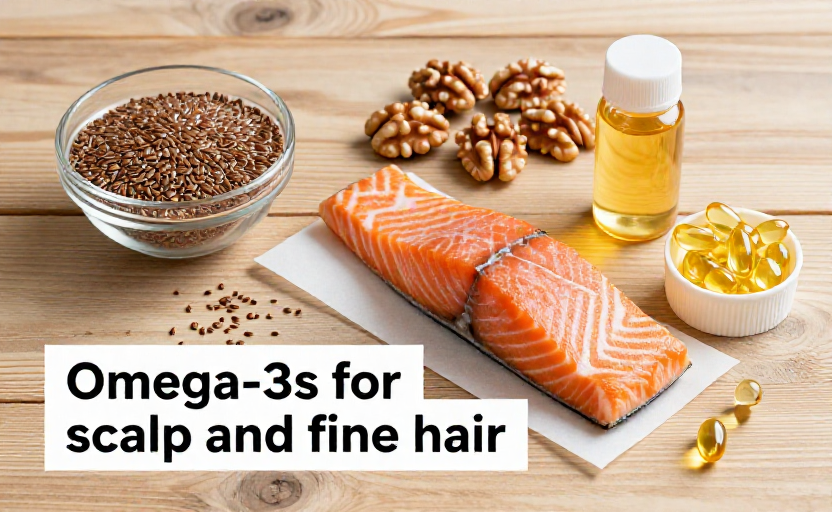
- Fatty fish: Salmon, mackerel, sardines, and herring are among the richest sources of EPA and DHA.
- Flaxseeds and chia seeds: Plant-based ALA (alpha-linolenic acid) can convert to EPA in small amounts, supporting scalp health.
- Walnuts: A handful of walnuts provides both ALA and biotin, which supports keratin strength.
- Algae oil: A direct plant source of DHA, often found in supplements for those who avoid fish.
The anti-inflammatory argument for hair quality
Chronic inflammation in the scalp can disrupt the hair growth cycle, pushing more follicles into the resting (telogen) phase. When this happens, hair shedding increases and growth slows. Fine hair is especially vulnerable because it has fewer structural backups. Dietitians emphasize that omega-3s are one of the most effective dietary tools for lowering systemic inflammation. A 2007 study in the International Journal of Dermatology found that certain compounds in coffee can promote hair growth, but omega-3s have a broader body of evidence supporting their role in reducing scalp inflammation and oxidative stress.
While coffee oil applied topically may boost circulation, omega-3s work through a different mechanism — they reduce the production of pro-inflammatory molecules that can attack hair follicles. For someone with fine hair and a dry, sensitive scalp, this anti-inflammatory effect can mean less shedding and a longer anagen (growth) phase over time. It's not a quick fix, but it is a foundational one.
How to incorporate omega-3s without overcomplicating your diet
Getting enough omega-3s doesn't require a complete dietary overhaul. Here are practical steps dietitians recommend for people with fine hair and a dry scalp:
- Eat fatty fish twice a week. A 3-ounce serving of salmon provides more than 1,500 mg of EPA and DHA, enough to support scalp hydration.
- Add ground flaxseed to meals. Sprinkle it on oatmeal, yogurt, or smoothies. One tablespoon of ground flaxseed offers about 1.6 g of ALA.
- Snack on walnuts. A quarter-cup of walnuts provides 2.5 g of ALA and pairs well with dark chocolate or cheese for a balanced snack.
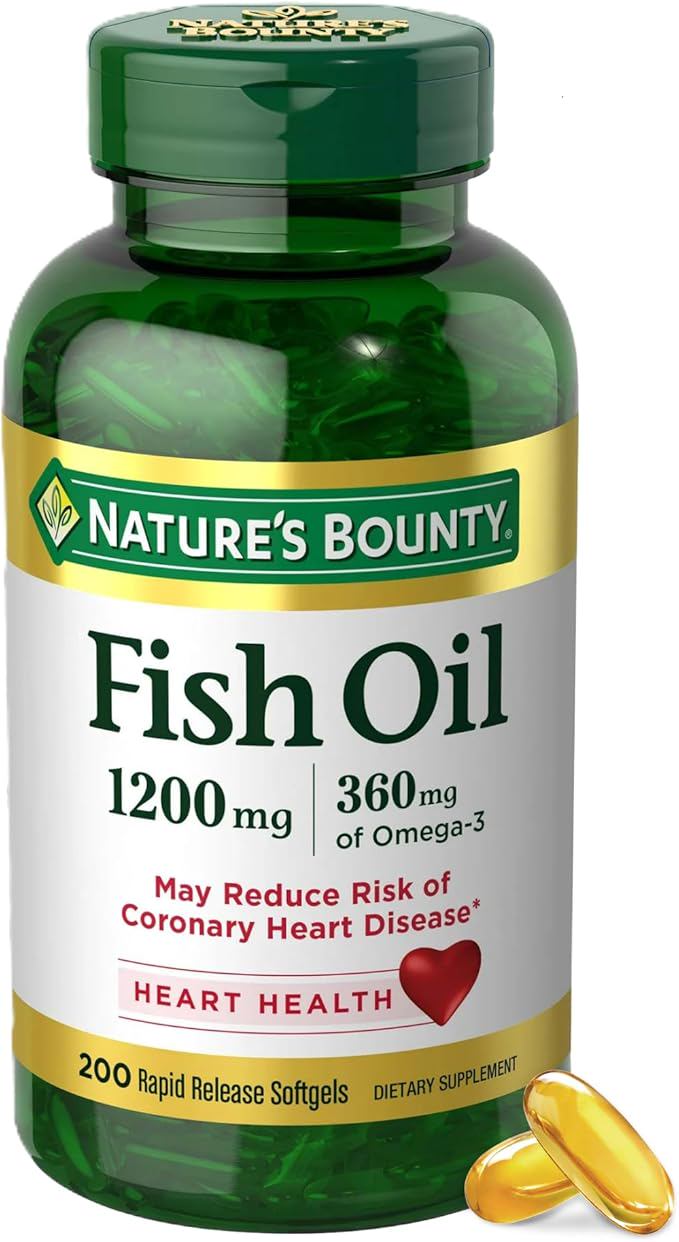
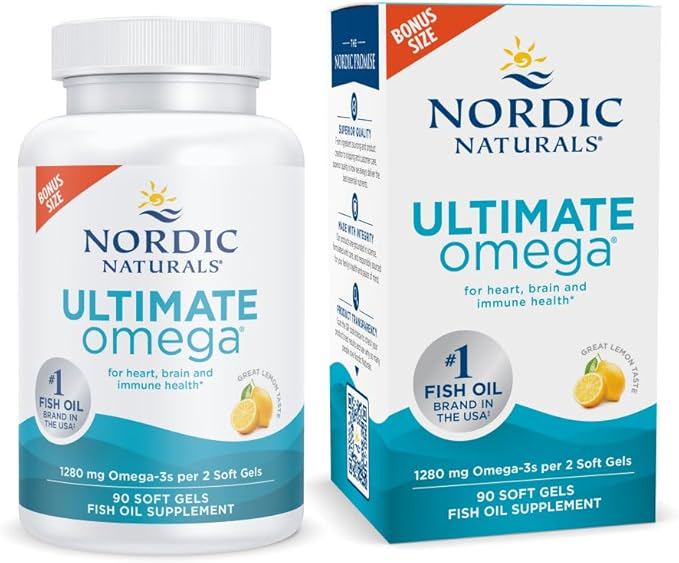
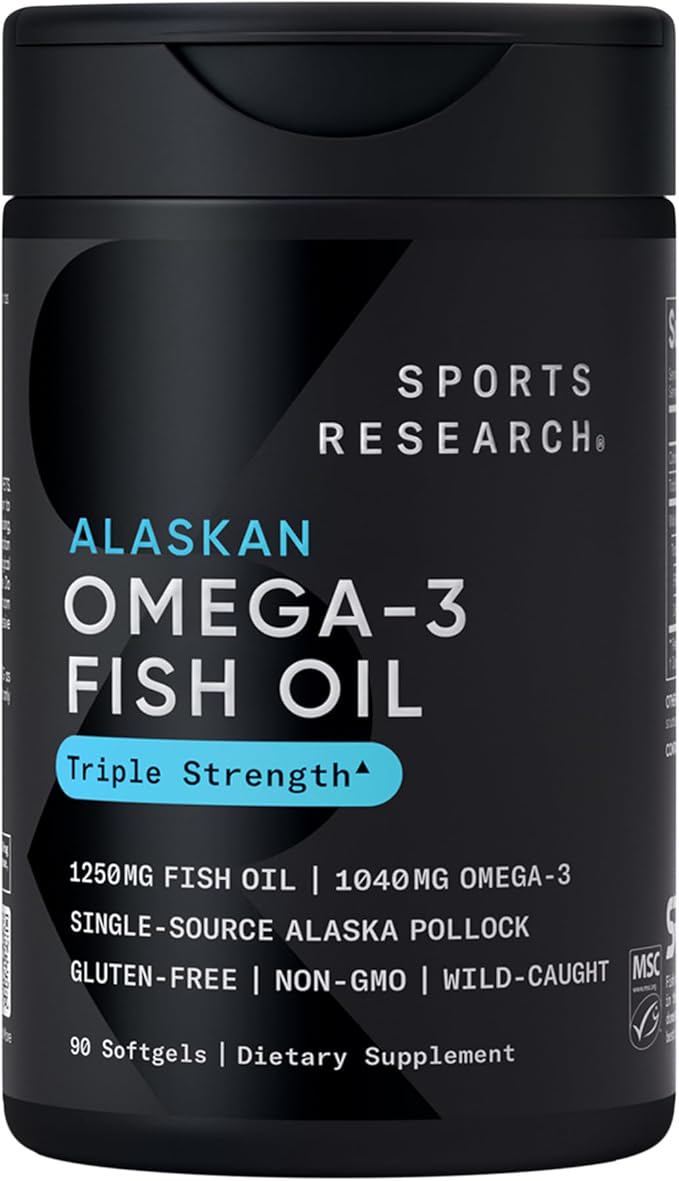
- Consider a high-quality supplement. If you don't eat fish, look for a fish oil or algae-based omega-3 supplement with at least 500 mg of combined EPA and DHA daily — but always check with a healthcare provider first.
"The goal is consistency, not perfection. Even small, regular sources of omega-3s can reduce scalp dryness over 8–12 weeks." — Clinical Nutritionist
Can omega-3s replace topical oils for dry scalp?
Topical oils — like coconut oil, argan oil, or tea tree oil — can provide immediate relief for a dry, flaky scalp by sealing in moisture and offering antimicrobial benefits. However, they work on the surface. Omega-3s work systemically, improving the quality of the sebum your own scalp produces. For fine hair, which can become weighed down by heavy oils, using less product while addressing the root cause through diet is often a smarter long-term strategy.
That said, dietitians advise that omega-3s are not a substitute for treating underlying scalp conditions like seborrheic dermatitis or psoriasis. If you have persistent scaling, redness, or intense itching, it's important to see a dermatologist. Omega-3s can support the scalp's overall health, but they work best as part of a comprehensive hair care routine.
The bottom line on omega-3s for fine hair and dry scalp
Fine hair needs both internal and external support. Omega-3s are not a miracle cure for hair thinning or chronic scalp conditions, but they are a well-supported nutritional tool for reducing inflammation, supporting moisture retention, and improving the environment where hair grows. Dietitians recommend incorporating fatty fish, seeds, or algae-based sources into your routine and giving it at least two to three months to see changes in scalp comfort and hair texture. Combined with a gentle hair care routine, omega-3s can help your fine hair look fuller and your scalp feel calmer.