If you've ever spent a Sunday afternoon carefully portioning out high-protein snacks only to find them sad, soggy, or flavorless by Wednesday, you're not alone. Meal-prepping snacks that stay fresh, taste good, and actually deliver on protein can feel surprisingly tricky. We asked registered dietitians for their best strategies—not just recipes, but the science behind making protein-rich snacks that hold up for days.
The good news is that with a few smart choices about ingredients, storage, and texture, you can prep snacks that taste just as good on day four as they did on day one. Here's what the experts want you to know.
Why do some high-protein snacks go bad so fast?
Texture and moisture are the biggest culprits. Many protein-rich foods—think boiled eggs, chicken, or yogurt-based dips—have a high water activity level, which means they spoil faster and can turn mushy or rubbery when stored. Dietitians point out that the key is balancing moisture and using ingredients that act as natural preservatives.
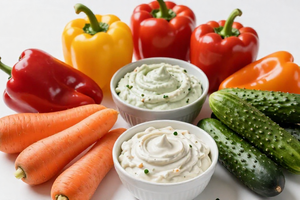
For example, adding a bit of acid like lemon juice or vinegar not only boosts flavor but also helps inhibit bacterial growth. Similarly, choosing heartier vegetables like bell peppers or cucumbers over watery lettuce can keep your snack packs from getting soggy.
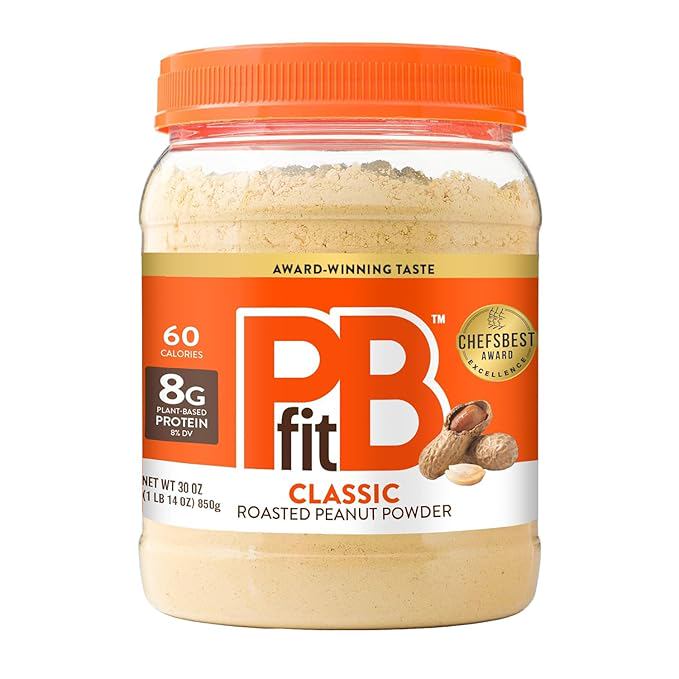
Dietitian tip: When prepping protein bites or bars, use nut butters or seeds as a binder. They provide healthy fats that help stabilize texture and keep the snack from drying out in the fridge.
Best types of high-protein snacks for meal prep
Not all protein sources are created equal when it comes to longevity. Dietitians recommend focusing on these categories for snacks that stay fresh for 3–5 days:
- Hard-boiled eggs: Keep them in the shell until you're ready to eat. They stay fresh for up to a week when refrigerated properly.
- Greek yogurt-based dips and ranch: Mix with herbs and a little lemon juice. Pair with crunchy veggies just before eating.
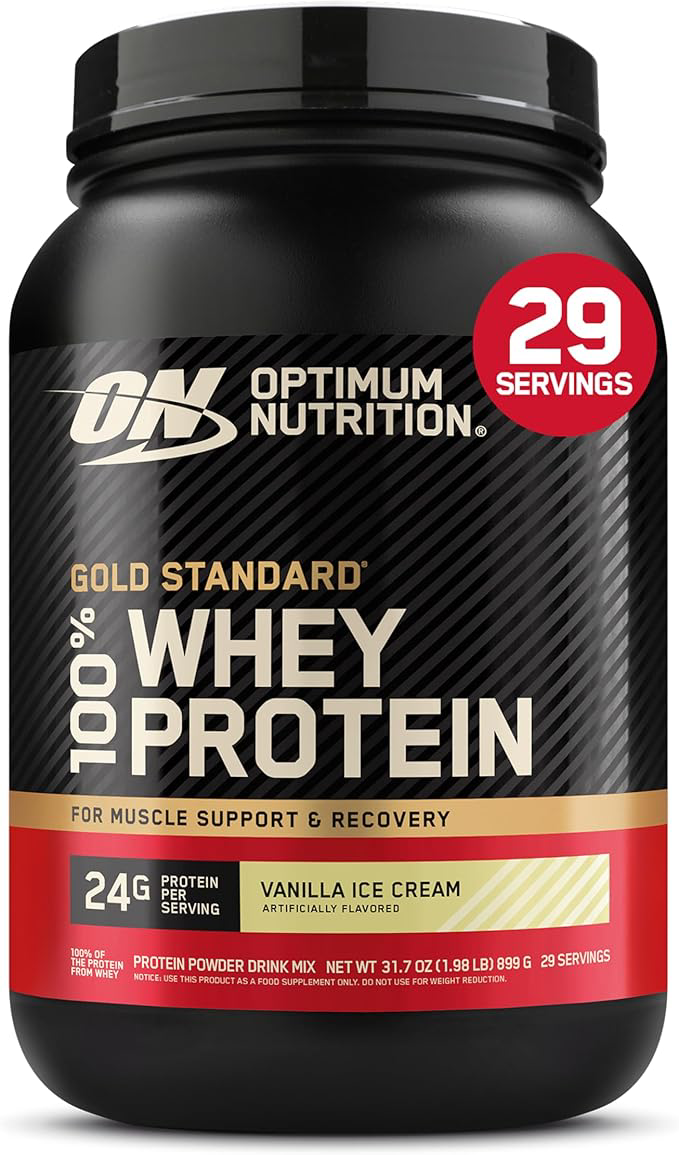
- No-bake protein bites: Oats, nut butter, protein powder, and a touch of honey or dates hold up beautifully in the fridge.
- Chickpea or edamame salads: Toss with olive oil, vinegar, and sturdy veggies. They marinate nicely and get better over a couple of days.
- Cheese sticks or cubes: Hard cheeses like cheddar or gouda travel well and don't need much prep.
How to store high-protein snacks so they actually last
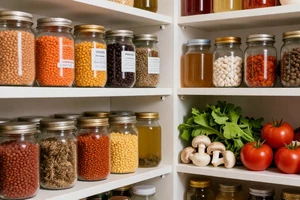
Storage is where most meal preps go wrong. Dietitians emphasize three principles: airtight containers, proper cooling, and separation of wet and dry ingredients.
Use glass or BPA-free plastic containers with tight seals. For snacks with crunchy elements—like nuts or seed crackers—store them separately and add them right before eating. This prevents them from absorbing moisture from other ingredients.
Pro tip from a dietitian: Label your containers with the date and contents. It sounds basic, but it helps you rotate your snacks and avoid guessing whether something is still good.
Should you freeze high-protein snacks?
Absolutely, for longer storage. Many protein snacks freeze well: baked egg muffins, protein pancakes, and even some no-bake bites can go straight from freezer to lunch bag. Dietitians recommend flash-freezing items on a baking sheet first to prevent them from sticking together, then transferring to a freezer-safe bag.
Thaw in the fridge overnight for the best texture. Avoid freezing anything with a high water content like fresh cucumber or celery—they'll turn limp.
Common mistakes people make when prepping protein snacks
Even experienced meal preppers fall into these traps. Here's what dietitians see most often:
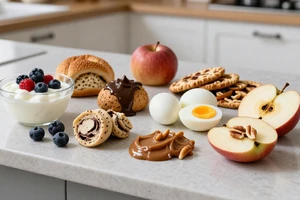
- Overcomplicating recipes: You don't need ten ingredients. Simple combinations like apple slices + almond butter + a sprinkle of cinnamon work well.
- Using too much liquid: Dressings and sauces should be packed separately or added sparingly, or your snack becomes a soggy mess.
- Ignoring food safety: Cooked proteins like chicken or tofu should be refrigerated within two hours. If you're prepping for more than four days, freeze portions.
How dietitians build a balanced high-protein snack
A snack that keeps you full and energized should combine protein, fiber, and healthy fats. Dietitians recommend aiming for at least 10–15 grams of protein per snack, paired with a source of produce or whole grains.
Here's a simple formula they use: pick one protein, one produce item, and one healthy fat. For example, a hard-boiled egg + bell pepper strips + a handful of almonds. Or Greek yogurt + berries + a drizzle of chia seeds.
This combination also helps with blood sugar stability, so you avoid the mid-afternoon energy crash that prompts reaching for less nutritious options.
Can you prep high-protein snacks for a whole week?
Yes, but with a strategy. Dietitians suggest prepping 3–4 days' worth of snacks at a time for peak freshness, then a second batch mid-week. If you want to prep for the full week, choose items with naturally longer shelf lives: nuts, seeds, protein bars, cheese, and dried fruit are excellent options.
The key is variety. Prepping the same snack every day leads to boredom, which can derail your healthy eating goals. Mix up flavors and textures to keep things interesting.
Meal-prepping high-protein snacks that actually last is less about fancy recipes and more about smart techniques. Use sturdy ingredients, control moisture, store properly, and don't overcomplicate things. With these dietitian-approved strategies, you'll have satisfying, fresh-tasting snacks ready whenever hunger strikes.



![[8-Pack,30 oz]Glass Meal Prep Containers,Glass Food Storage Containers,Airtight lunch Containers with Lids, Microwave, Oven, Freezer and Dishwasher](https://www.glowtheorylab.com/uploads/ad202604/51081d9654d4075b.webp)