Meal prep bowls have become a go-to for anyone trying to stay on track with a low-carb eating style. But building one that actually satisfies—and doesn't leave you hungry an hour later—takes a bit of strategy. Dietitians emphasize that the key is not just subtracting carbs, but thoughtfully adding the right mix of protein, healthy fats, and colorful vegetables. Here’s what the experts look for when they build a balanced low-carb lunch bowl.
Why Protein and Fat Are Non-Negotiable
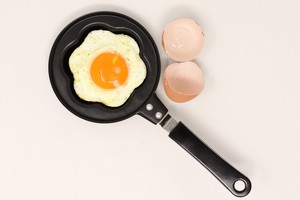
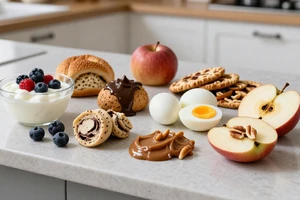
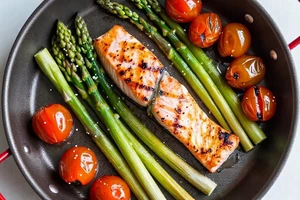
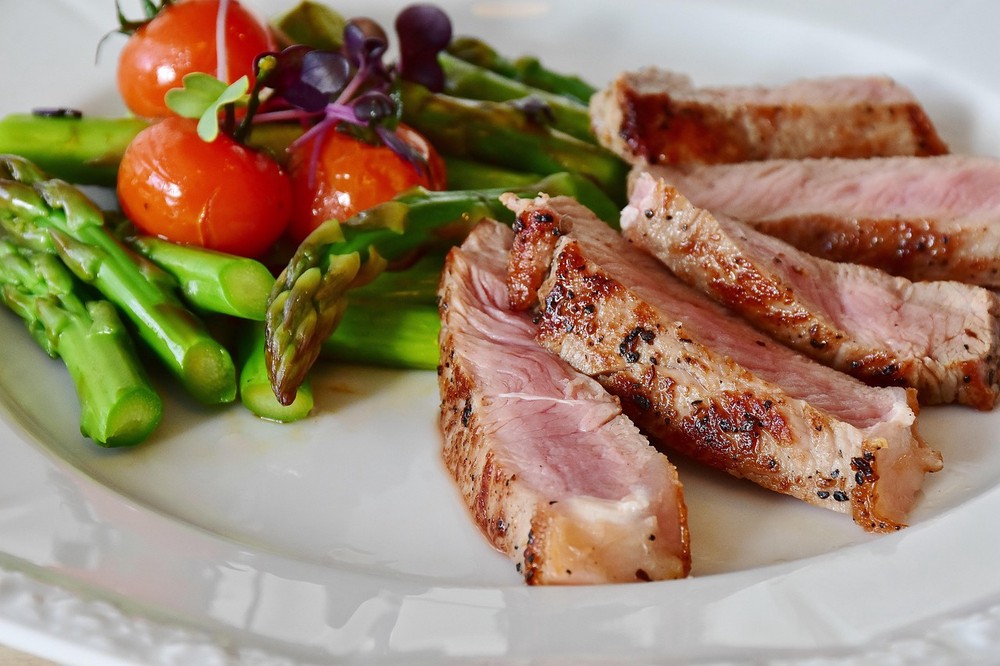
When you lower your carbohydrate intake, your body needs other sources of sustained energy. Registered dietitians stress that a low-carb bowl should anchor around a solid protein source—think grilled chicken, salmon, tofu, or hard-boiled eggs. Protein helps with satiety and blood sugar stability. Pair that with a source of healthy fat, like avocado, olives, or a drizzle of tahini, which slows digestion and keeps you full through the afternoon. Without both, you risk cravings and energy crashes.
The Right Veggies Make the Volume
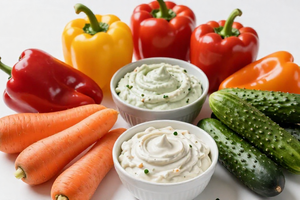
A common mistake is filling a bowl with just lettuce. Dietitians recommend using a mix of non-starchy vegetables—like bell peppers, cucumbers, zucchini, broccoli, or leafy greens—to add bulk and nutrients without piling on carbs. Roasted vegetables add warmth and deeper flavor, while raw veg brings crunch. The goal is to create a visually generous bowl that feels like a full meal, not a sparse snack.
“Think of your bowl as a colorful palette: the more varied the veggies, the wider the range of vitamins and antioxidants you’ll get.”
Smart Carb Choices: Yes, You Can Have Some
Low-carb doesn't mean no-carb. Dietitians suggest including small portions of higher-fiber, lower-glycemic carbohydrates to keep meals interesting and nutrient-dense. Options like roasted sweet potato cubes (in moderation), cooked quinoa, lentils, or black soybeans can fit into a low-carb bowl. The trick is portion control: aim for about a quarter to a half cup, and let the non-starchy vegetables and protein take up the rest of the space.
Building for Meal Prep: Texture and Storage Tips
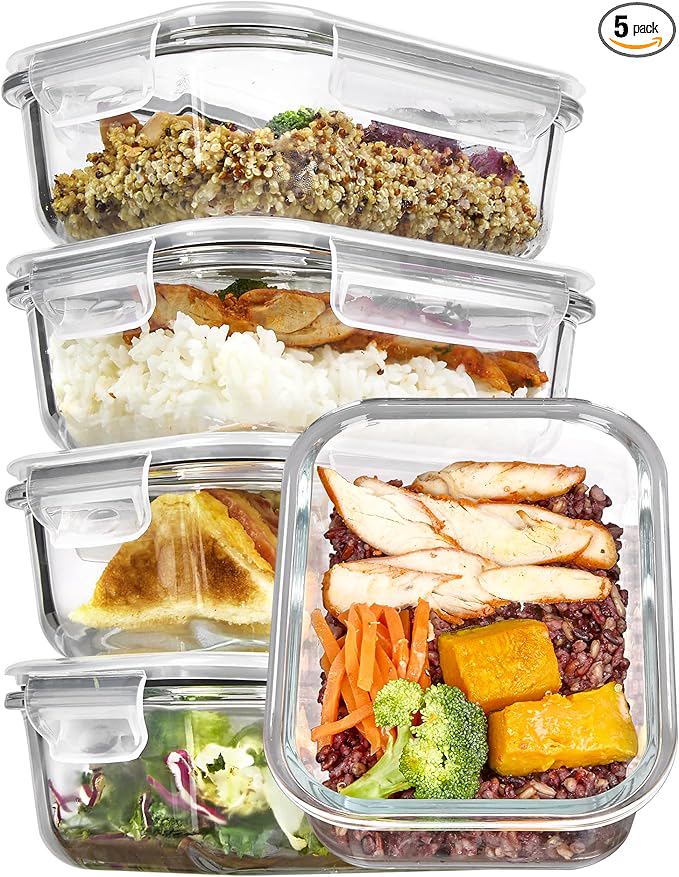
One of the biggest challenges with meal prep is keeping bowls fresh and enjoyable by day three or four. Dietitians recommend a few smart strategies. Keep dressings and sauces separate until eating to prevent sogginess. Store crunchy toppings—like seeds, nuts, or crispy chickpeas—in small containers to add just before serving. Layer ingredients in your container with the heartiest items at the bottom (protein, roasted veg) and the most delicate (fresh greens, herbs) on top. This simple stacking helps everything stay in its best condition.
Simple Bowl Template to Try
If you're not sure where to start, dietitians often suggest a flexible template rather than a strict recipe. For one lunch bowl, combine: 4 to 5 ounces of cooked protein (chicken, fish, or plant-based), 2 cups of non-starchy vegetables (half roasted, half fresh), 1 to 2 tablespoons of a healthy fat source (avocado, dressing, or seeds), and a small scoop of a higher-fiber carb if desired. Assemble in a container, stash the dressing in a separate mini jar, and you're set for quick lunches all week.
These principles turn a low-carb bowl from a simple salad into a genuinely balanced meal that supports steady energy and real satisfaction. The best part? You can swap in whatever ingredients you have on hand, making meal prep flexible, budget-friendly, and never boring.



![[10-Pack] Glass Meal Prep Containers with Lids, MCIRCO Food Storage Containers with Snap Locking Lids, Airtight Lunch Containers, Microwave, Oven, Freezer and Dishwasher](https://www.glowtheorylab.com/uploads/ad202604/141a61456fdd8860.webp)